
NEWS
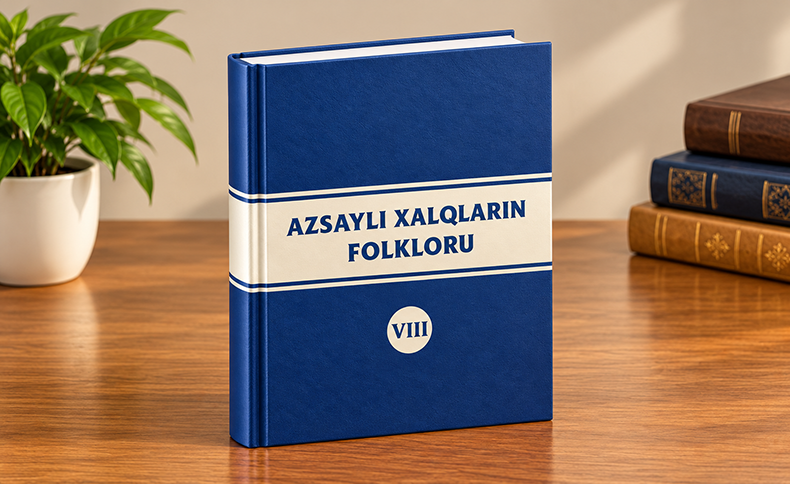
The Eighth Book in the Series “Folklore of Ethnic Minorities” has been published
By the decision of the Scientific Council of the Institute of Folklore of ANAS, the eighth volume in the series “Folklore of Ethnic Minorities”, entitled Lezgi Folklore of the Oghuz-Gabala Region, has been published. The book was collected and compiled by PhD, Associate Professor Matanat Yagubgizi, who also authored the foreword.
The 374-page publication brings together and systematizes the folkloric heritage of the Lezgins living in the Oghuz and Gabala districts. In addition to information on the ethnic and cultural characteristics of the region, the areas inhabited by the Lezgins, the Lezgi language and the people’s customs and traditions, the book presents examples of oral folk art documented from local residents.
The opening sections provide information on the ethnic and cultural landscape of the Oghuz-Gabala region, the historical and cultural characteristics of the Lezgins and the Lezgi language. The main section presents folklore materials according to their genres and thematic features. At the end of the book, readers will find information about the storytellers and translators, as well as photographs reflecting the region’s ethnic diversity.
The book Lezgi Folklore of the Oghuz-Gabala Region is a valuable source for collecting, preserving, systematizing and incorporating into scholarly research the oral folk traditions of the Lezgins living in the region. The folklore materials reflect the people’s historical and cultural memory, worldview, spiritual values and traditional way of life. In this respect, the publication provides important scholarly material for the study of both Lezgi folklore and Azerbaijan’s ethnic and cultural diversity.
The eighth volume in the “Folklore of Ethnic Minorities” series contributes to ongoing efforts to study the rich folkloric heritage of the ethnic groups living in Azerbaijan, pass national and cultural values on to future generations and examine, on a scholarly basis, the centuries-old traditions of peaceful coexistence.