
NEWS
Staff Members of the Institute of Folklore of ANAS Participate in the 4th International Develi–Ashiq Seyrani and Turkish Culture Congress
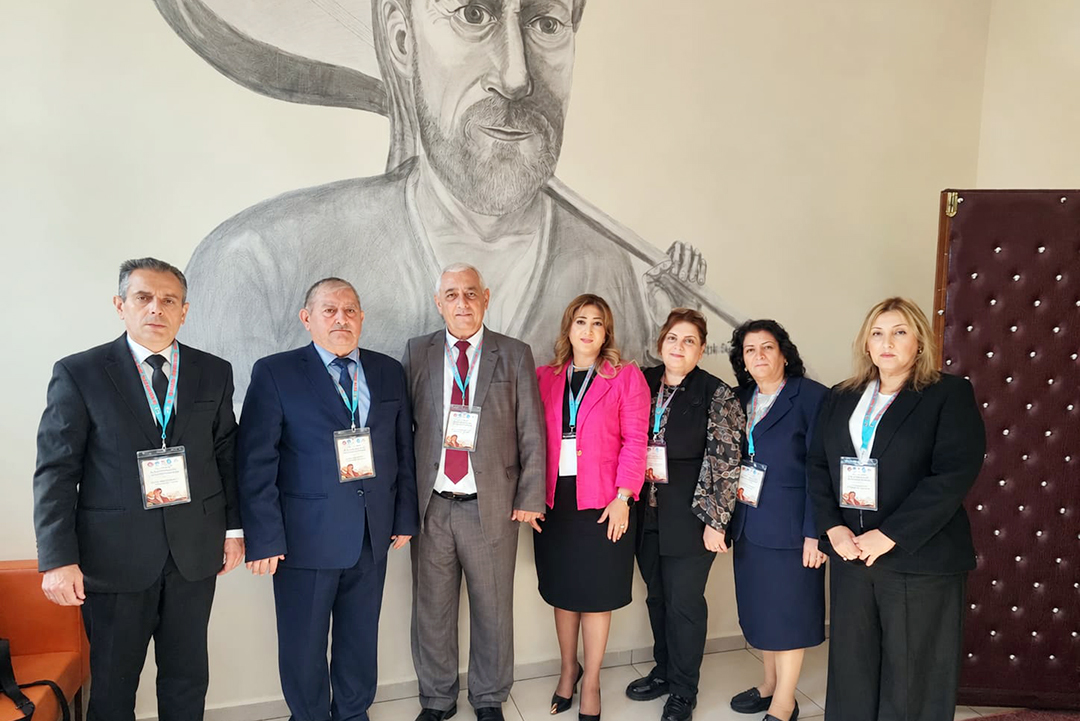
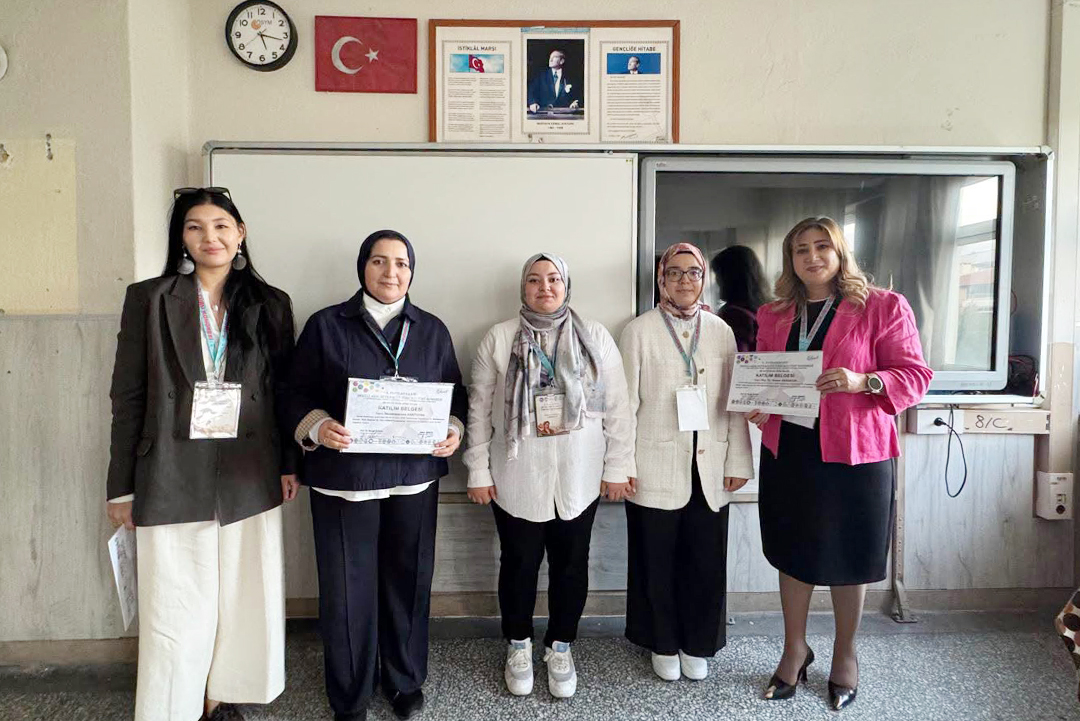
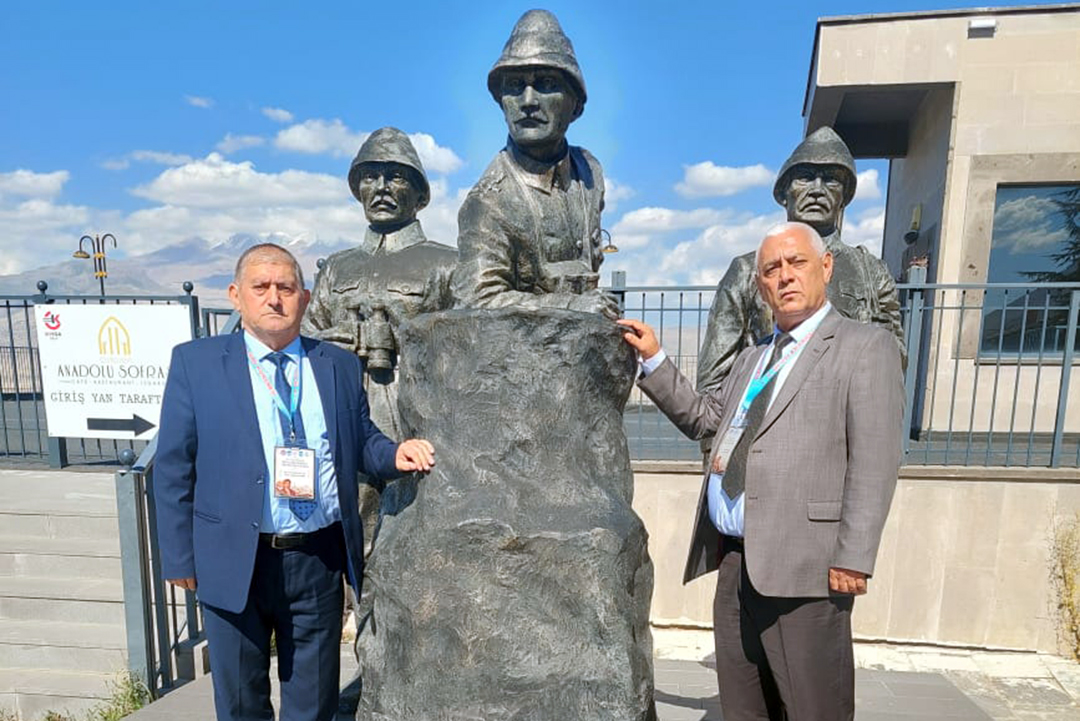
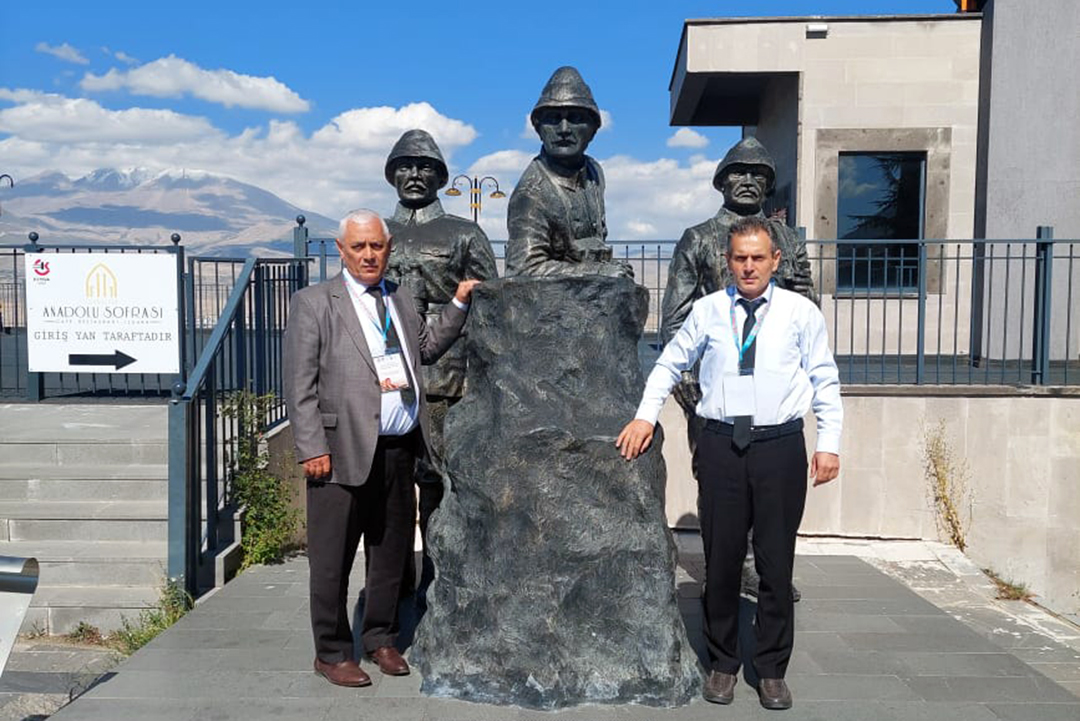
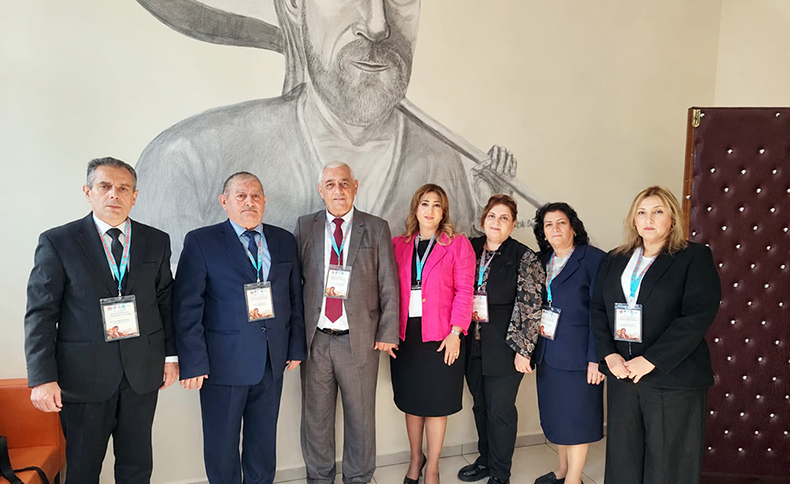
The 4th International Develi-Ashiq Seyrani and Turkish Culture Congress was held in the city of Develi, Türkiye, on October 8–10, 2026. Staff members of the Institute of Folklore of the Azerbaijan National Academy of Sciences (ANAS) such as Professor Seyfaddin Rzasoy, PhDs in Philology and Associate Professors Tahir Orujov, Ilhama Gasabova, Elchin Galiboglu and Aynura Safarova; PhD in Philology Sevinc Gasimova and senior researcher Khazangul Mammadova participated in this international scientific event.
The congress addressed current scholarly issues related to various aspects of Azerbaijani folklore, the art of ashiqs (traditional Azerbaijani singer-poets), epic traditions, national identity, folk beliefs and the shared cultural heritage of Turkic peoples.
In the presentation entitled “Ashiq Environments of Western Azerbaijan” by Professor Seyfaddin Rzasoy mentioned the importance of studying the historical and cultural characteristics of the ashiq traditions of Western Azerbaijan. The ashiq environment is not merely a setting in which the art of the saz and oral poetry flourishes; it is also an important cultural system that preserves the historical memory, ethnocultural identity, and spiritual values of a people. The master-apprentice tradition, performance schools, and repertoire characteristics that developed within these environments play a significant role in transmitting ashiq art from one generation to the next.
The presentation by PhD in Philology and Associate Professor Tahir Orujov focused on a comparative study of common features observed in the folklore of Azerbaijanis and Balkan Turks. Legends, proverbs and riddles are important folklore genres that reflect worldview, life experience, moral values and artistic thinking. Comparing these genres helps identify historical and cultural ties and shared patterns of thought among Turkic peoples living in different geographical regions.
The presentation by PhD in Philology and Associate Professor Ilhama Gasabova examined the relationship between the creative explorations of young ashiqs in the contemporary era and the preservation of classical ashiq traditions. Ashiq art is a rich artistic domain encompassing poetic traditions, saz melodies, and systems of imagery and symbolism that have evolved over centuries. The topic is of current scholarly importance for understanding the relationship between tradition and innovation, identifying how younger generations engage with ashiq art, and ensuring the transmission of this heritage to future generations.
In his presentation entitled “The Philosophical Essence and Ethnocultural Manifestations of National Identity in Regional Beliefs (Based on the Folklore of Azerbaijan’s Mountainous Shirvan Region)”, PhD in Philology and Associate Professor Elchin Galiboglu examined beliefs found in different Azerbaijani folkloric environments in terms of their philosophical significance and ethnocultural manifestations of national identity. He noted that the cultural practices of different regions interact over time, contributing to the formation of a shared cultural memory. National identity, therefore, does not emerge from the elimination of regional differences, but rather from the integration of these differences around shared historical and cultural values, forming an ethnocultural phenomenon.
The presentation by PhD in Philology and Associate Professor Aynura Safarova was devoted to a comparative study of Azerbaijani and Turkish versions of the folk narrative “Gurbani”. Folk narratives and epics are important examples of epic heritage that preserve the historical and cultural memory, heroic ideals, concepts of love and moral values of Turkic peoples. A comparative approach makes it possible to examine variations between versions, changes arising in oral tradition, and regional differences. Research in this area contributes to a deeper understanding of the connections between Azerbaijani and Turkish folklore, as well as the shared epic traditions of Turkic peoples.
Sevinc Gasimova’s presentation focused on the artistic expression of Novruz-related motifs in Azerbaijani ashiq poetry. Novruz is a rich cultural tradition embodying the ancient worldview of the Azerbaijani people, the awakening of nature, renewal, and aspirations for abundance. Ideas associated with the holiday find expression in ashiq poetry through motifs such as images of nature, spring, water, fire, greenery, and new life.
The presentation by the senior researcher Khazangul Mammadova explored common features of the epic folklore of the Azerbaijani and Gagauz peoples. Epic folklore is an important cultural source reflecting the historical experiences, heroic ideals, family and social relationships, and moral values of different peoples.
The congress served as an important platform for presenting current issues in Azerbaijani folklore studies to the international scholarly community, investigating the shared cultural heritage of Turkic peoples, and expanding academic connections among researchers. The participation of staff members from the Institute of Folklore of ANAS helped bring the richness of Azerbaijani folklore, the distinctive character of ashiq art, and the shared spiritual values of Turkic peoples to the attention of the international academic community.
In addition, Doctor of Philological Sciences and Associate Professor Galib Sayilov, PhDs in Philology and Associate Professors Afaq Ramazanova, Fidan Gasimova, Vafa Ibrahim, Shahla Huseynli, Sabina Isayeva and Laman Suleymanova; PhDs in Philology Surayya Alizade and Narmin Babayeva and senior researcher Lala Shabanova participated in the congress online and delivered presentations. Their contributions broadened the thematic scope of the congress, encouraged international scholarly discussion of various issues in Azerbaijani folklore and advanced research into the shared cultural heritage of Turkic peoples. Online participation also played an important role in facilitating academic exchange and strengthening international scholarly cooperation.
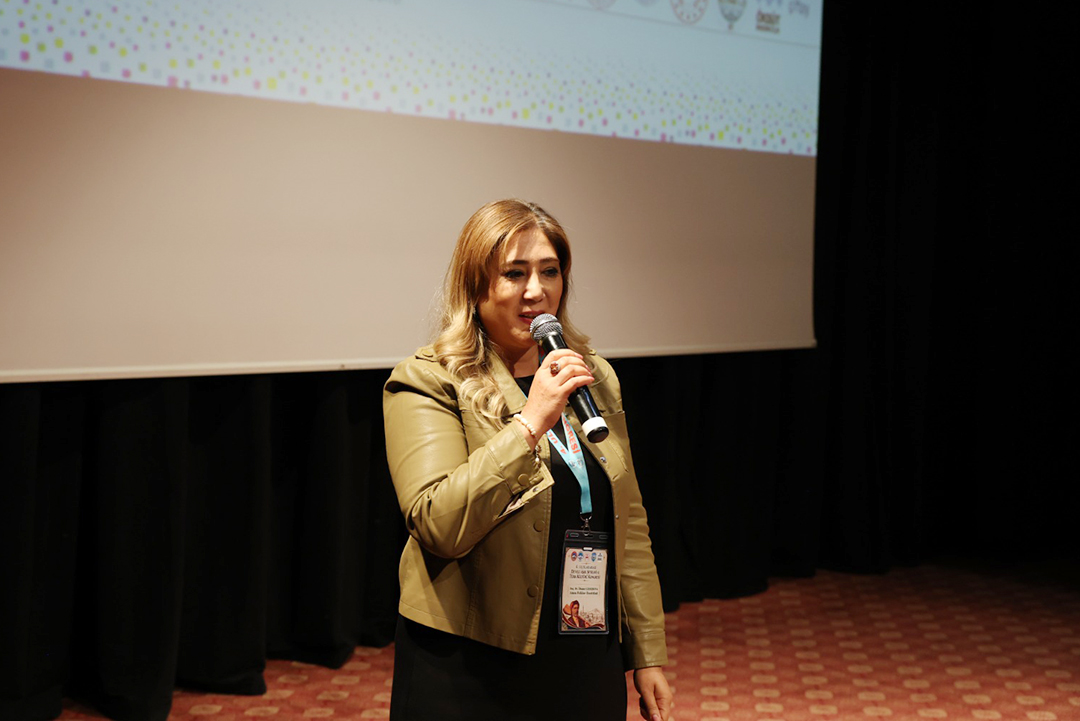
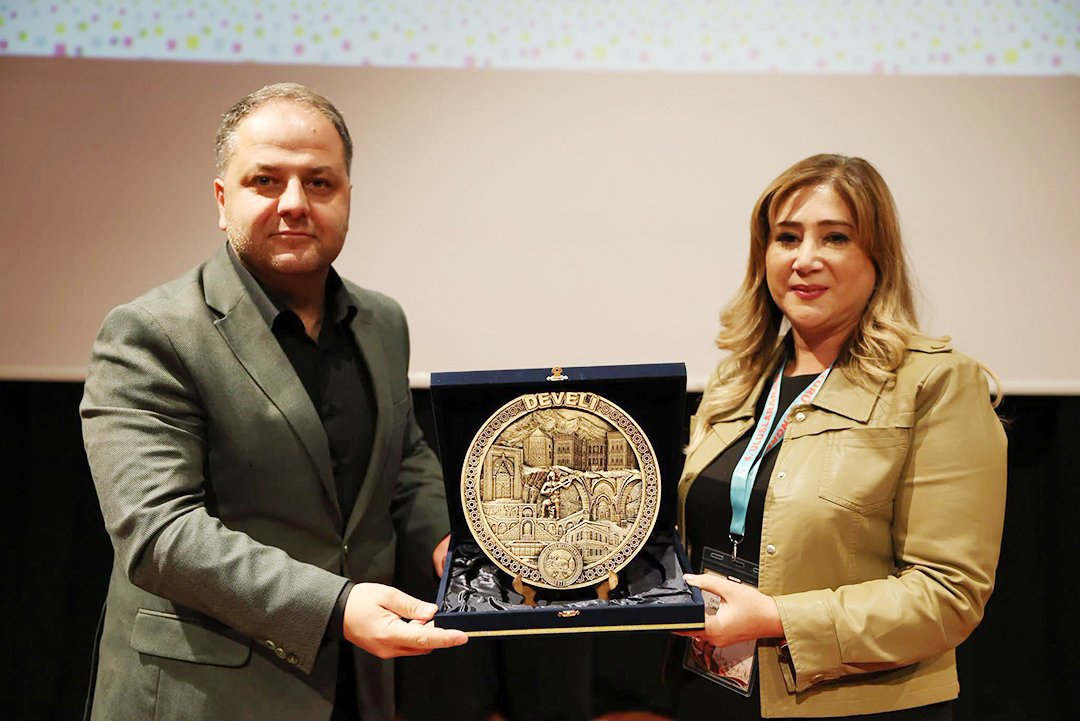
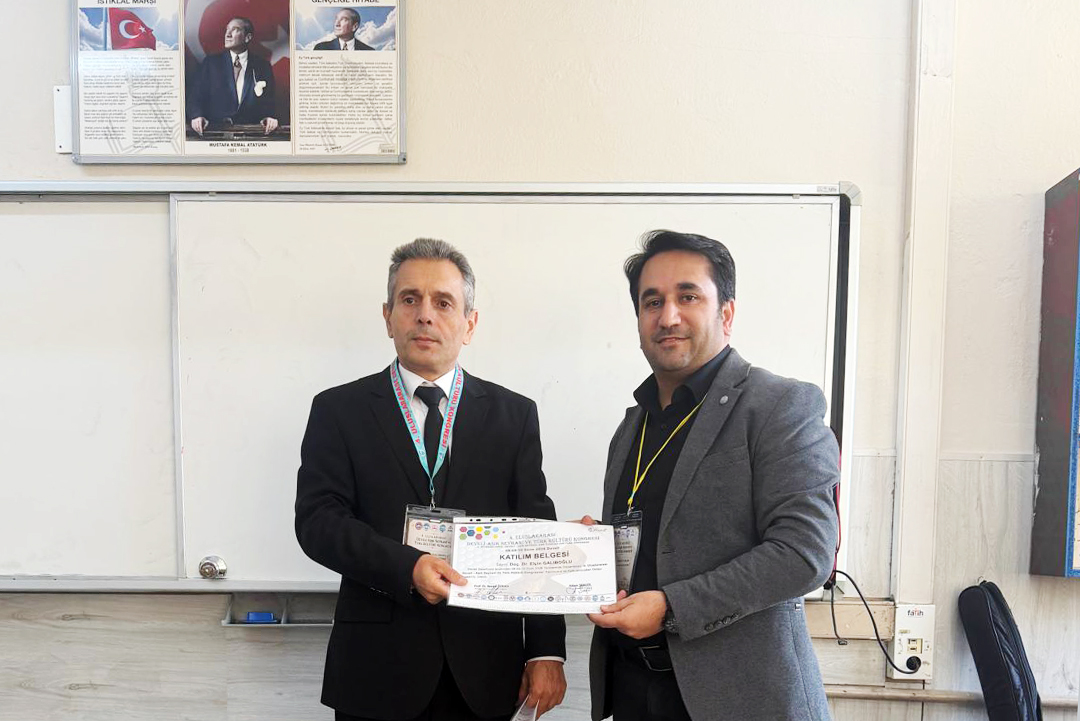
At the closing ceremony, Azerbaijani representative Ilhama Gasabova, PhD in Philology and Associate Professor, made a report. She spoke about the significance of Ashiq Seyrani’s creative legacy in Turkish folk literature, the scholarly and cultural value of studying his poetic heritage and the spiritual ties between Azerbaijani and Anatolian ashiq traditions. At the conclusion of her speech, she expressed her gratitude to the conference organizers, scholars, and participants. She emphasized that preserving the saz and oral poetry tradition and studying the legacy of master artists contribute to further strengthening the fraternal relations between Azerbaijan and Türkiye through cultural exchange. A commemorative plaque was presented to Ilhama Gasabova during the closing ceremony.
It should be noted that scientific and cultural events dedicated to the artistic legacy of Ashiq Seyrani are of considerable importance in promoting the shared literary heritage of Turkic peoples, preserving ashiq traditions, and transmitting them to future generations.