
NEWS
The Poetic Functions of Blessings, Benedictions and Curses in the Epic “The Book of Dede Gorgud” Explored at the Institute of Folklore
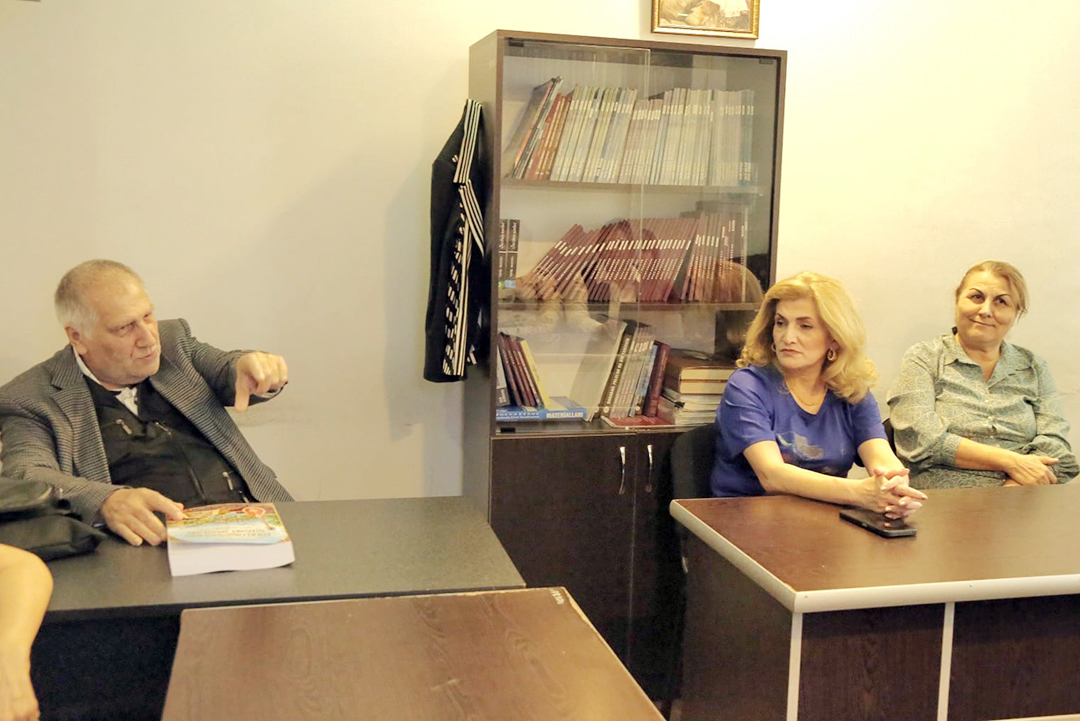
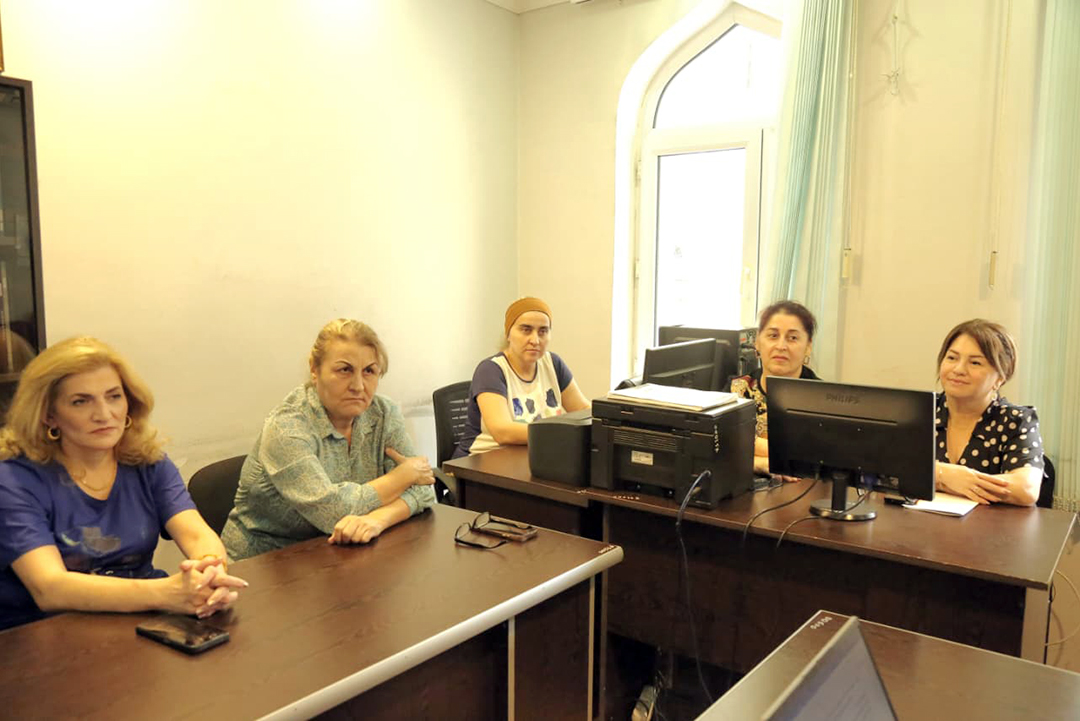
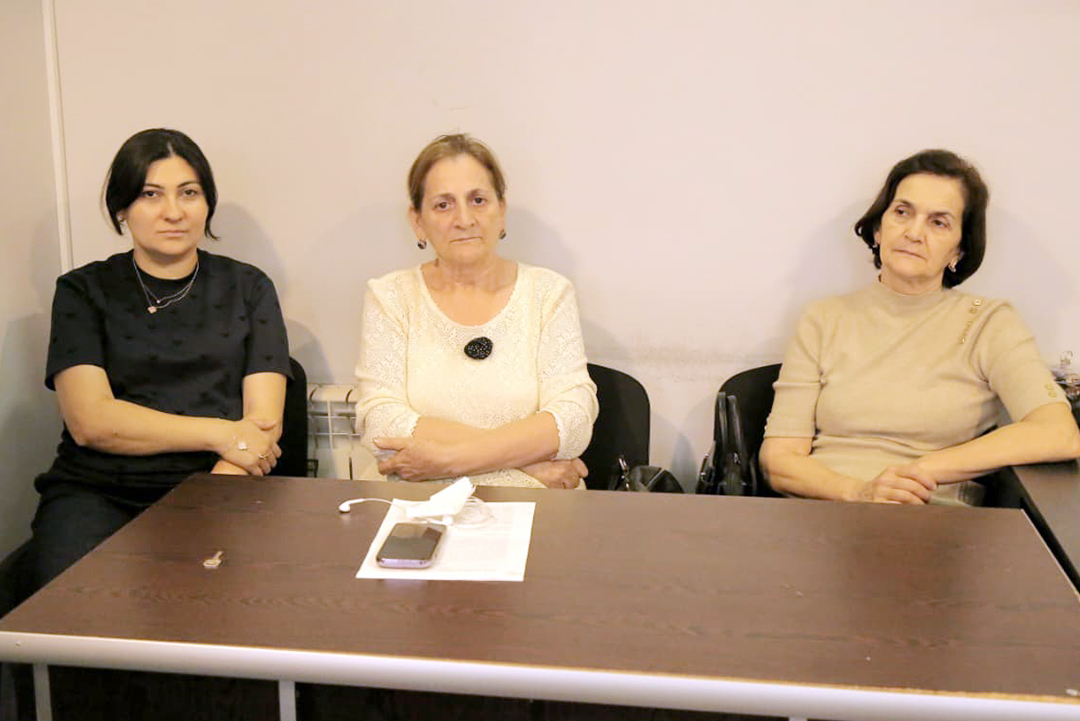
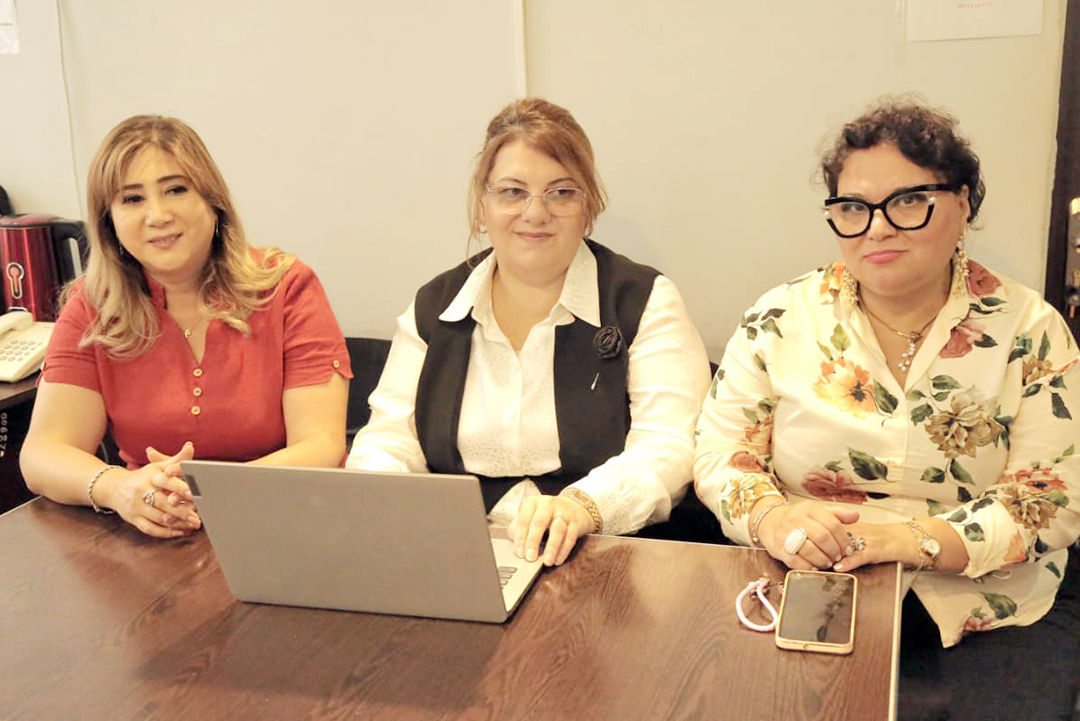
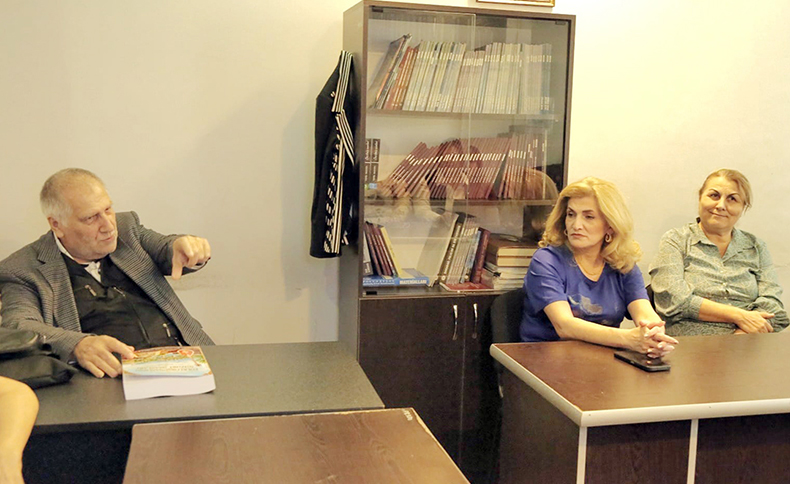
The scientific seminar was held at the Department of “Dede Gorgud” of the Institute of Folklore of the Azerbaijan National Academy of Sciences (ANAS). In addition to the department’s staff, the seminar was attended by researchers from the Departments of Folklore and Written Literature and Mythology.
Aynura Safarova, a leading research fellow of the department, Doctor of Philosophy in Philology, Associate Professor, made a presentation entitled “The Functional Semantics of Good Wishes, Blessings and Curses in the Poetic System of “The Book of Dede Gorgud”.
The presentation examined the semantic features, functional significance, socio-cultural essence and mythological roots of good wishes, blessings and curses in “The Book of Dede Gorgud”, a magnificent monument of Azerbaijani and common Turkic folklore. It was noted that, while reflecting the historical and cultural memory of the Oghuz Turks, the epic also possessed a rich poetic and semantic system. The traditions, customs, everyday life, worldview, family and social relations, moral and ethical values of the Oghuz people, as well as their connections with nature and the sacred realm, were artistically represented in the epic.
In the presentation it was mentioned that belief in the power of words to exert influence and bring about consequences constitutes an important element of the worldview reflected in the epic.
During the discussion, Ramazan Gafarlı, Head of the Dede Gorgud Department, Doctor of Philological Sciences and Professor, shared his scholarly observations and recommendations regarding the research.
Attention was drawn to the possible links between this concept and ancient Turkic beliefs, traditions of sacred speech and shamanic rituals. The importance of further investigating the subject through etymological, historical-linguistic and comparative folkloristic materials was also highlighted.
Other participants in the seminar exchanged views on the main arguments, scientific findings and prospects for future research. Their contributions emphasized the importance of studying blessings, benedictions and curses within the context of the epic’s linguistic and poetic system, ancient Turkic beliefs, collective memory and social relations.
The scientific seminar concluded with discussions on the study of the functional and semantic characteristics of good wishes, blessings and curses in The Book of Dede Gorgud, as well as their mythological and socio-cultural foundations, through contemporary scientific and methodological approaches.