
NEWS
The Scholarly Legacy of the First Turkological Congress and Contemporary Trends in Folklore were discussed at the Symposium “Turkological Folklore Studies”
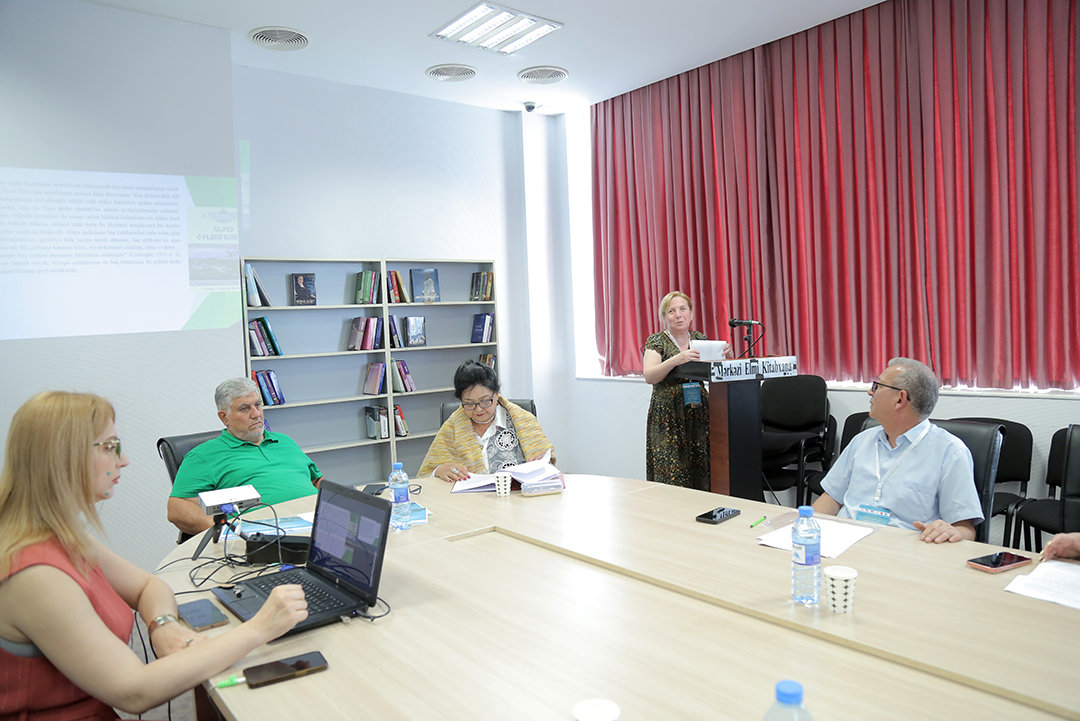
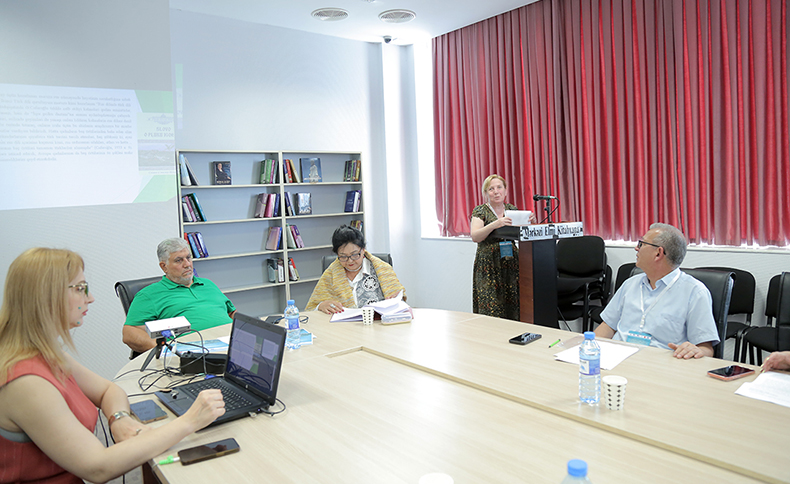
As part of the VIII International Symposium “From the Common Turkic Past to the Common Turkic Future” organized by the Azerbaijan National Academy of Sciences (ANAS) and the Institute of Folklore ANAS, the eighth and tenth panel sessions were held on the 3rd of July. The panels focused on the role of the First Turkological Congress in shaping Turkological scholarship, contemporary trends in Turkic folklore, the transformation of folklore in the digital age and current issues related to the study and preservation of the shared cultural heritage of the Turkic world.
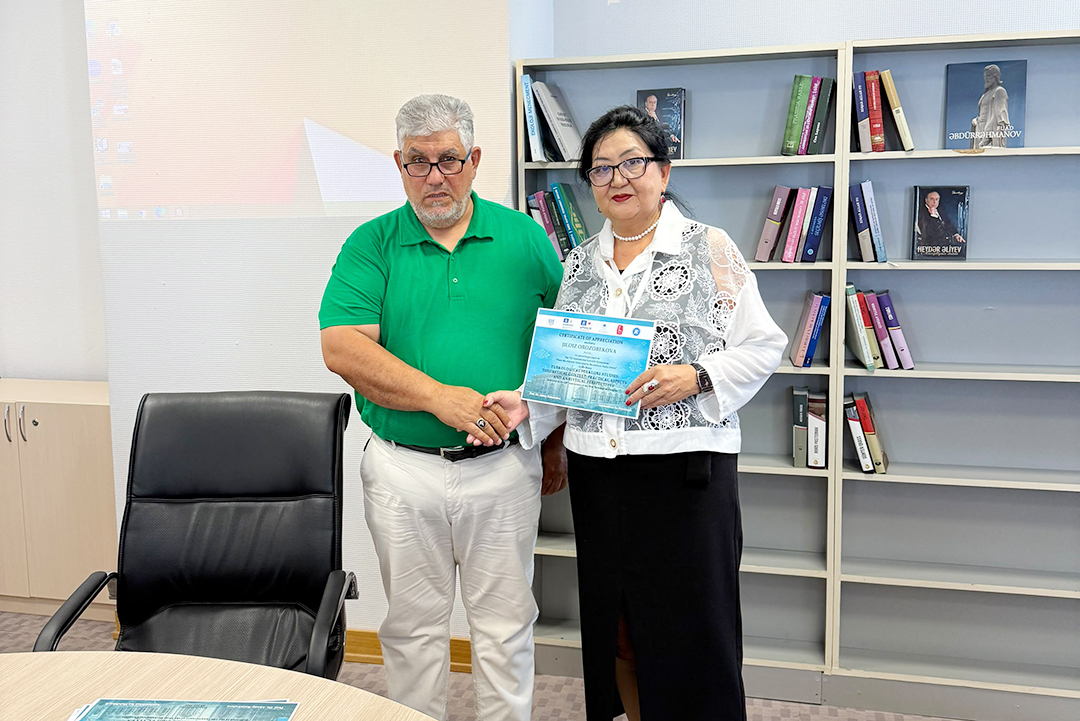
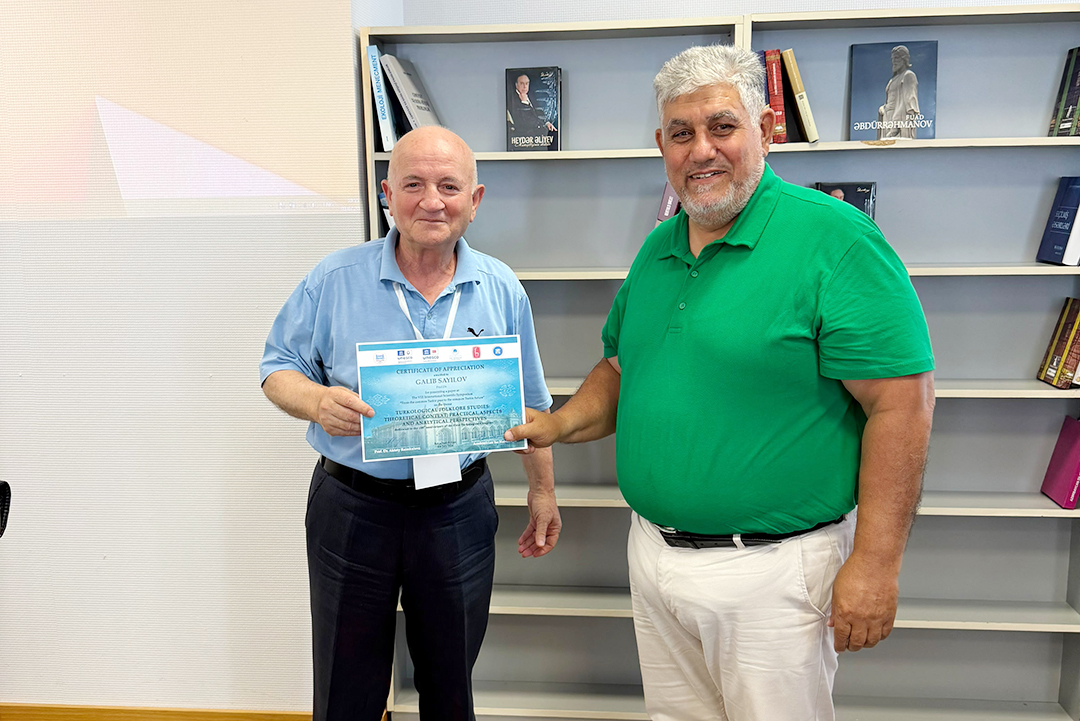
The sessions were moderated by Professor Dzhildiz Orozobekova of the National Academy of Sciences of Kyrgyzstan and Associate Professor Galib Sayilov, Doctor of Philological Sciences and Chief Researcher at the Institute of Folklore ANAS.
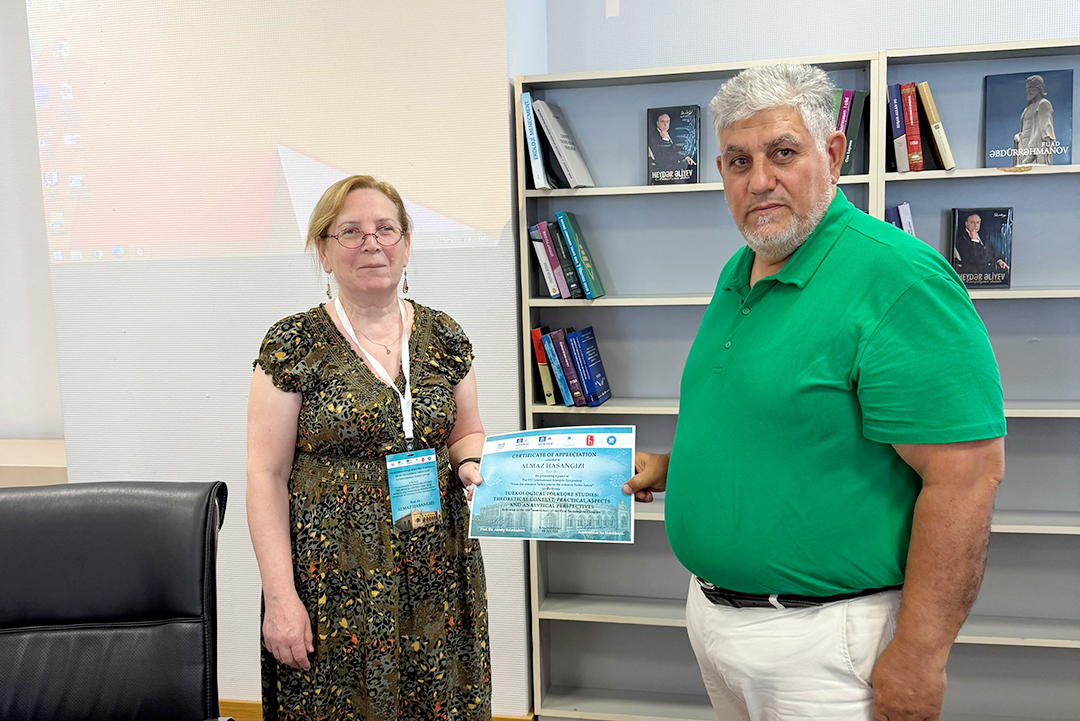
Professor Almaz Hasangizi of the Institute of Folklore ANAS delivered a presentation entitled “The Turkish Language Congresses and the Ahmed Jafaroglu Phenomenon” highlighting the links between the 1926 First Turkological Congress and subsequent Turkish Language Congresses, as well as Ahmed Jafaroglu’s contributions to the development of Turkology.
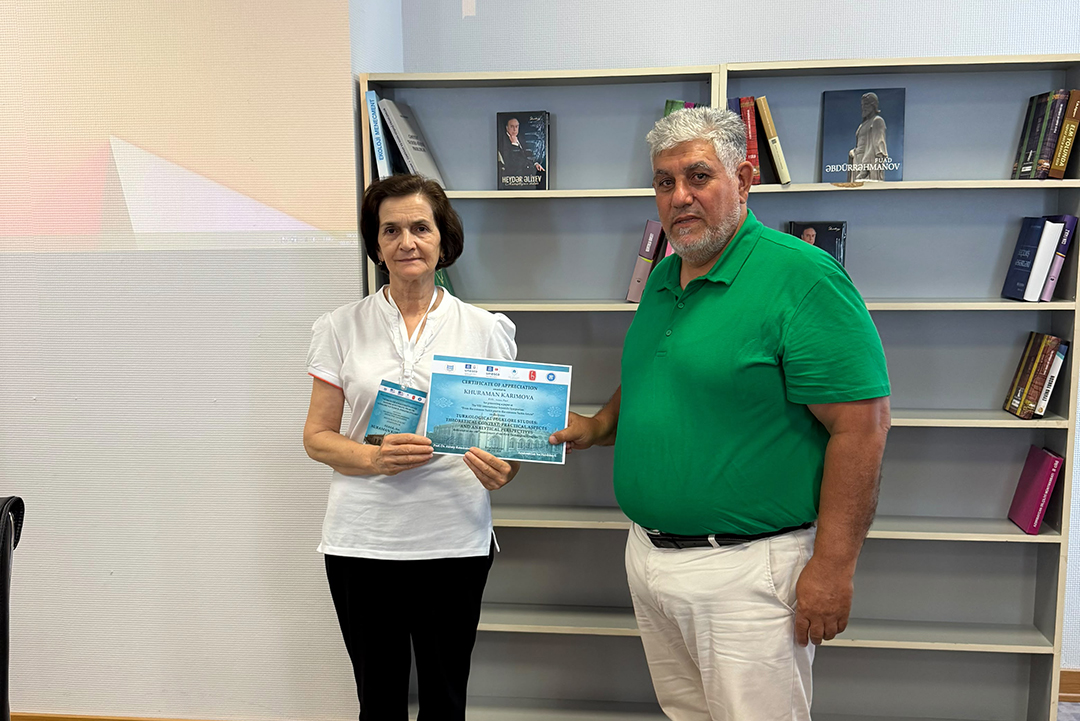
Associate Professor Khuraman Karimova, PhD in Philology and researcher at the Institute of Folklore ANAS, presented a paper on the theme “The Role of the First Turkological Congress in the Development of “Mother Tongue Textbooks”.
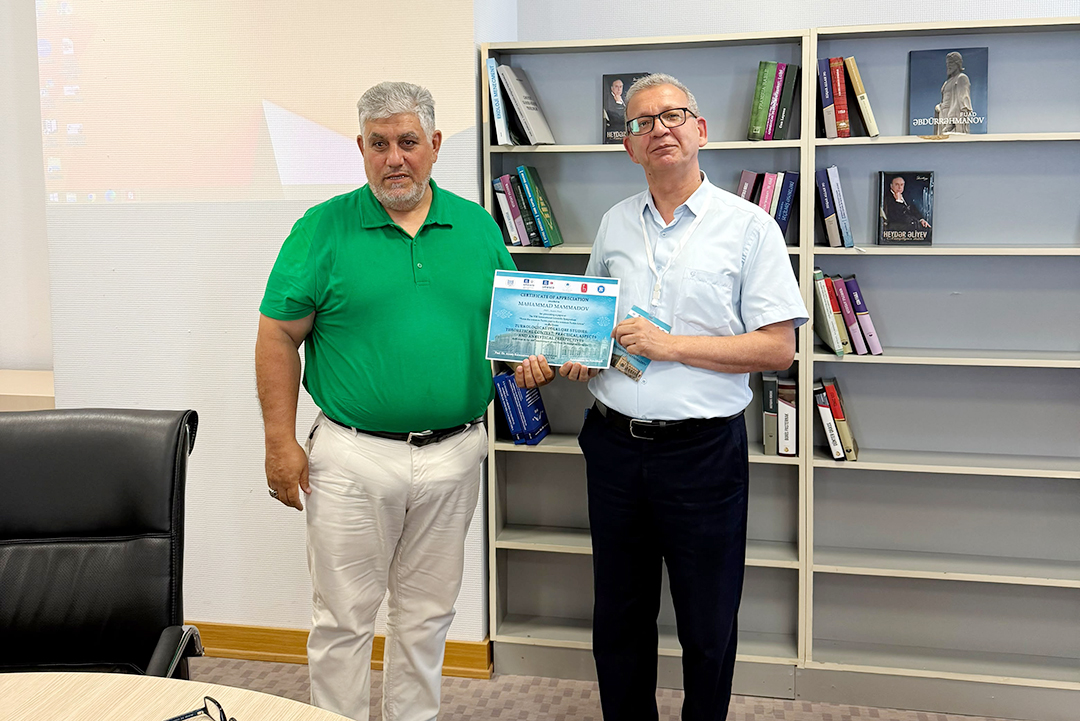
Associate Professor Mahammad Mammadov, PhD in Philology and lecturer at Baku State University, delivered a presentation titled “Salman Mumtaz and the First Turkological Congress”.
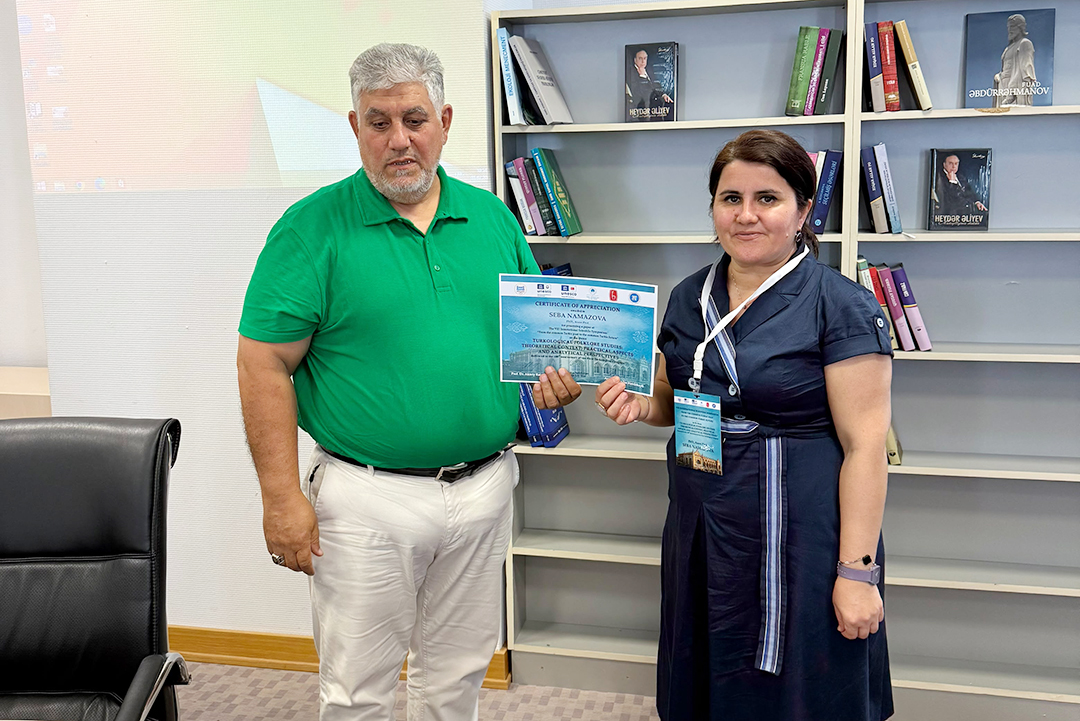
Associate Professor Saba Namazova from Ganja State University presented “Literary Issues at the First Turkological Congress” analyzing the influence of the Congress on the development of Azerbaijani literary studies, the strengthening of pan-Turkic literary relations and the emergence of new scholarly directions.
Associate Professor Shahla Tahirgizi of the ANAS Central Scientific Library presented a paper entitled “The Role of Documentary and Information Sources in Studying the Scholarly Legacy of the First Turkological Congress”.
Associate Professor Tajir Gurbanov, PhD in Philology and Head of Department at the ANAS Institute of Folklore, made a presentation on the theme “Regional Variations in the Folk Songs of Aghbaba”.
Associate Professor Yashar Alkhasov of Baku Slavic University presented “The Role of the First Turkological Congress in the Development of Turkic Languages”.
The first presentation of the tenth panel was delivered by Professor Dzhildiz Orozobekova of the National Academy of Sciences of Kyrgyzstan on “The Transformation and Continuity of Folklore Consciousness in the Digital Age”.
Associate Professor Galib Sayilov, Doctor of Philological Sciences and Chief Researcher at the ANAS Institute of Folklore, presented a paper entitled “The Theoretical Foundations of Phenomenological Turkology: In the Context of Janseyit Tuyumbayev’s Scholarly Legacy”.
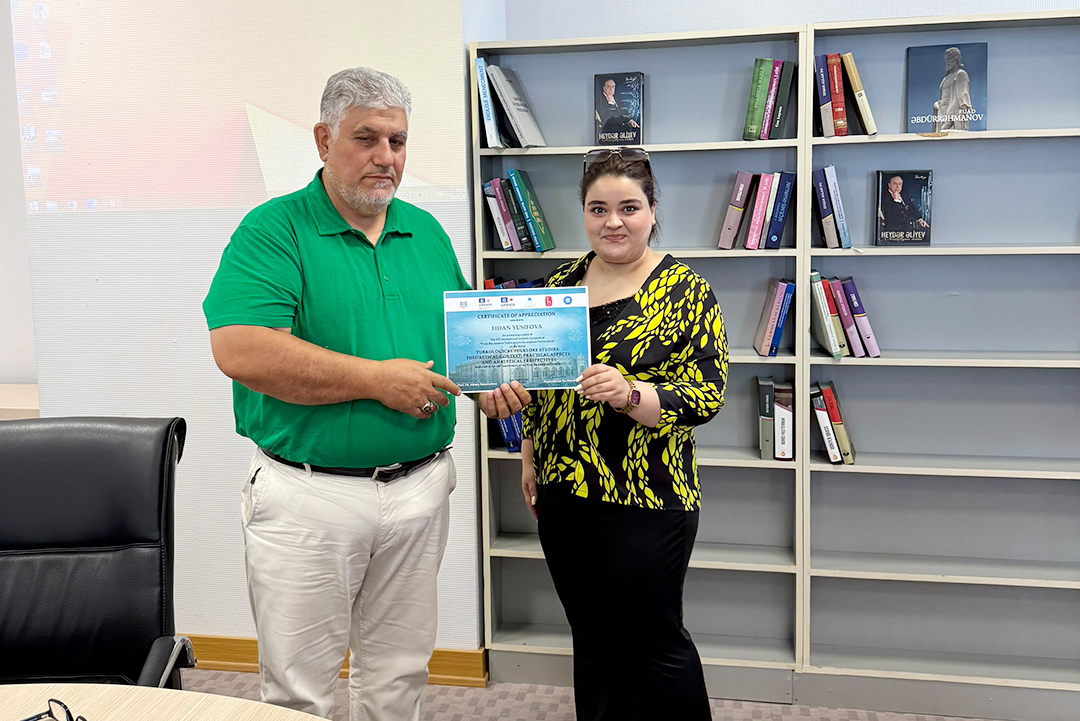
Fidan Yusifova, a researcher at Azerbaijan State Pedagogical University, made a presentation on “Genre Diversity and Typological Similarities in the Folklore of the Turkic Peoples” discussing common motifs and regional characteristics across Turkic folklore genres.
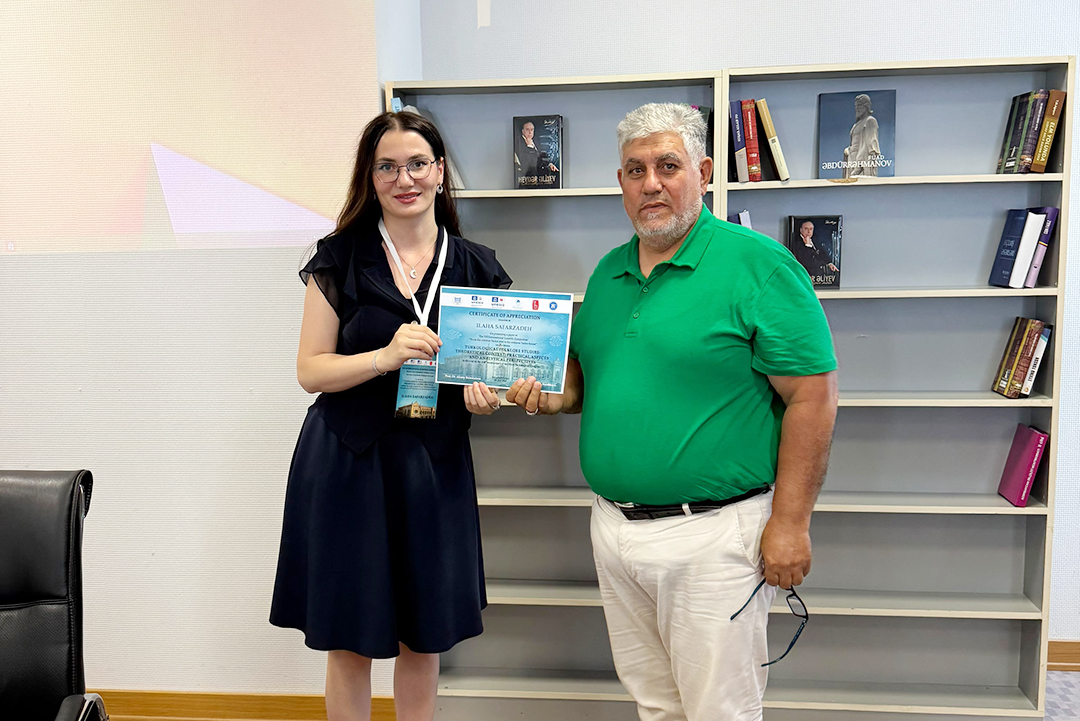
Ilaha Safarzade, a researcher at Baku State University, presented “Female Figures in Turkic Folklore in the Context of Contemporary Humanitarian Theories”, analyzing the functional and semantic characteristics of female characters in the Book of Dede Gorgud and the Koroglu epic through the lens of modern theoretical approaches.
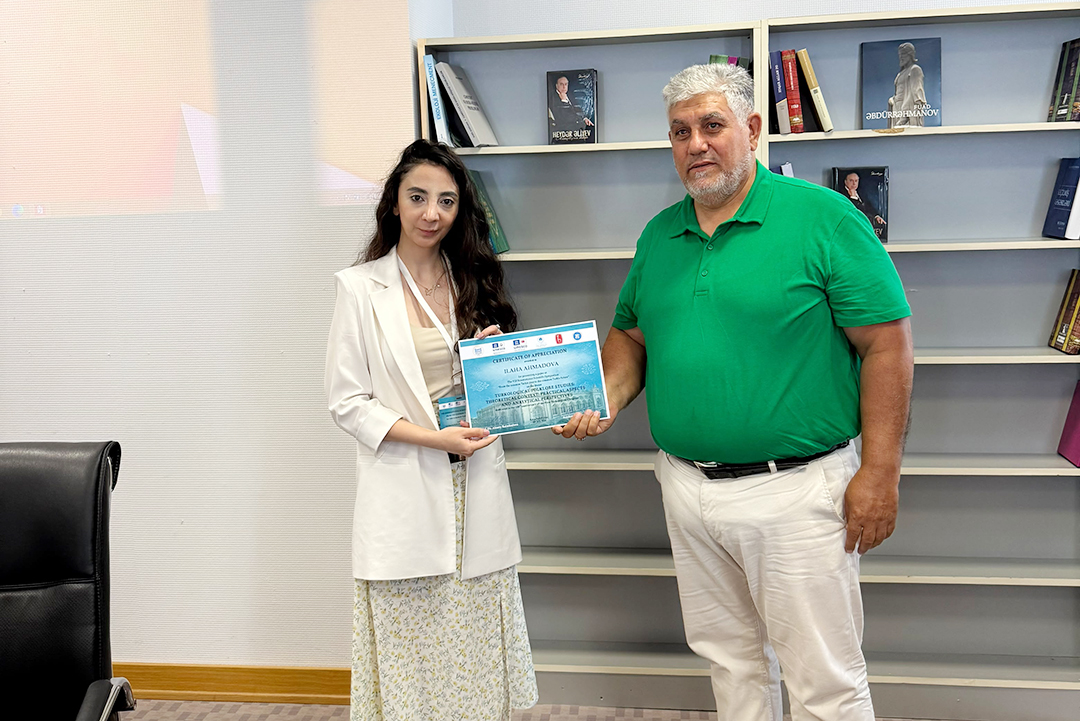
Ilaha Ahmadova from Baku State University delivered a presentation entitled “Turkic Mythological Memory and the Poetics of Magical Realism in Fiction”.
The panel sessions concluded with extensive discussions on the rich scholarly legacy of the First Turkological Congress, the theoretical and methodological issues of Turkological folklore studies, the preservation of shared cultural memory, new forms of presenting folklore in the digital environment and future research perspectives on the intangible cultural heritage of the Turkic peoples.