
NEWS
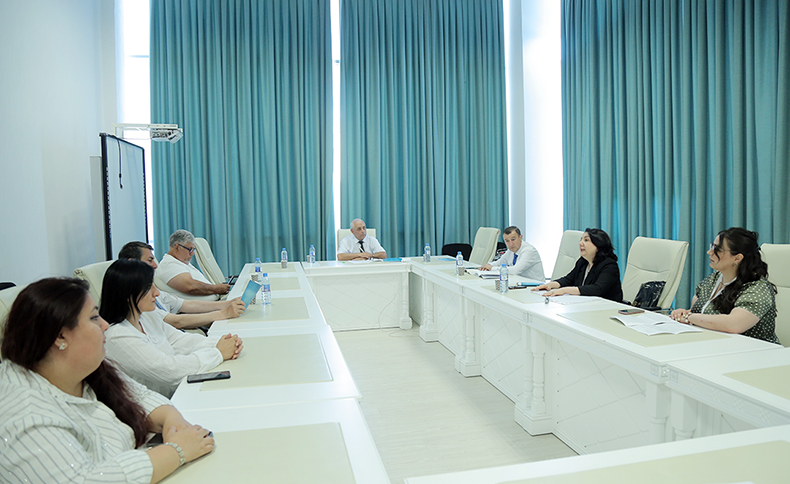
In the symposium “Turkological Folklore Studies” the folklore memory, mythological thought and shared cultural heritage of the Turkic World were discussed
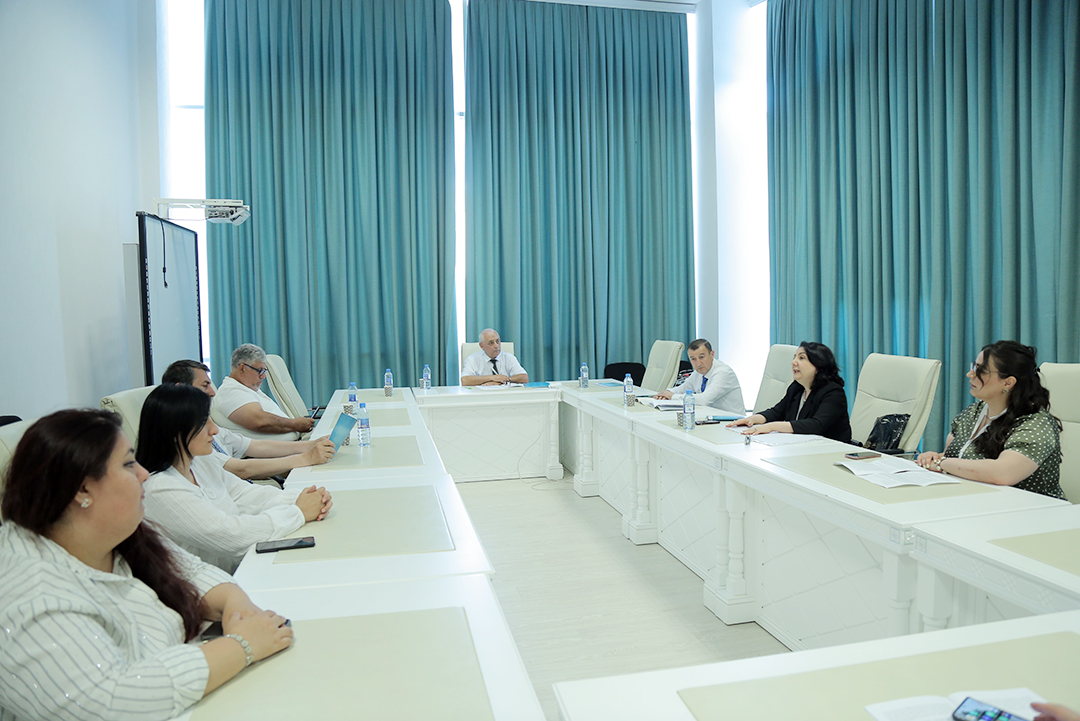
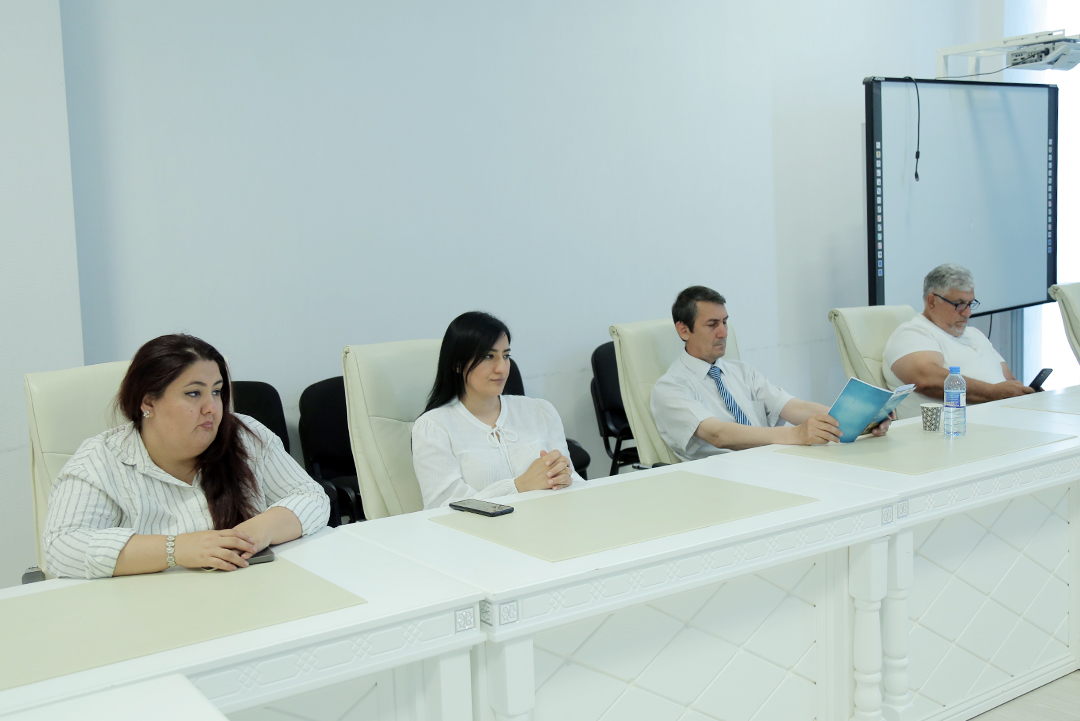
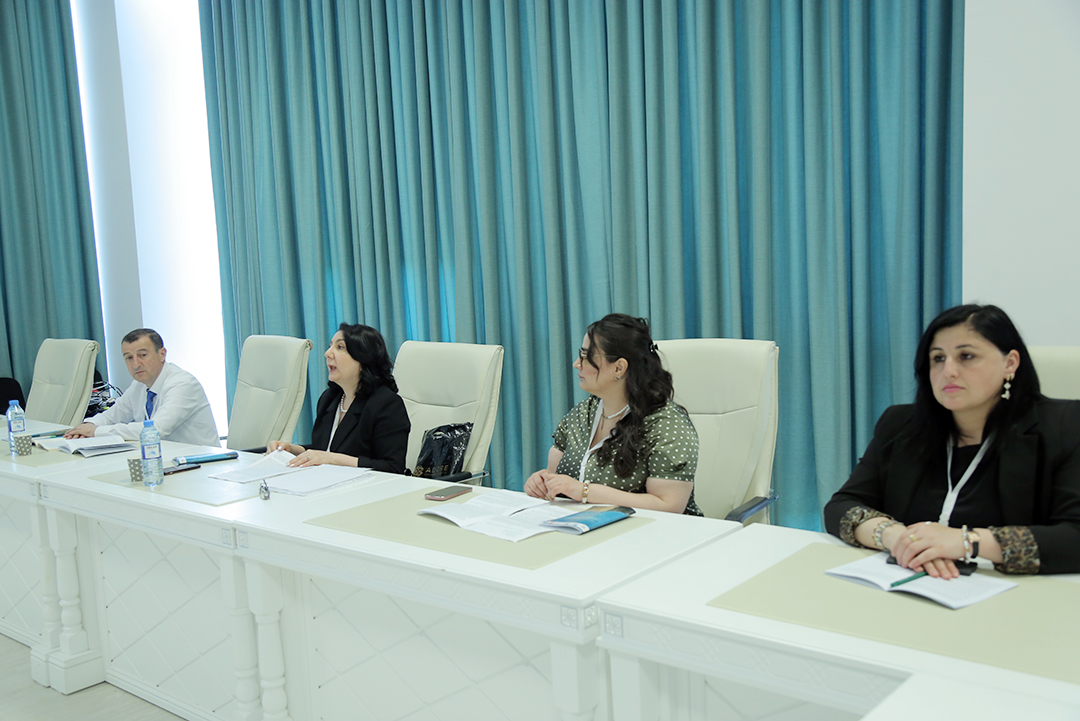
The second panel session, entitled “The Folklore Memory of the Turkic World: Shared Values, Mythological Thought and Cultural Heritage” as a part of the VIII International Symposium “From the Common Turkic Past to the Common Turkic Future”, organized by the Azerbaijan National Academy of Sciences (ANAS) and the Institute of Folklore ANAS, was held on July 2.
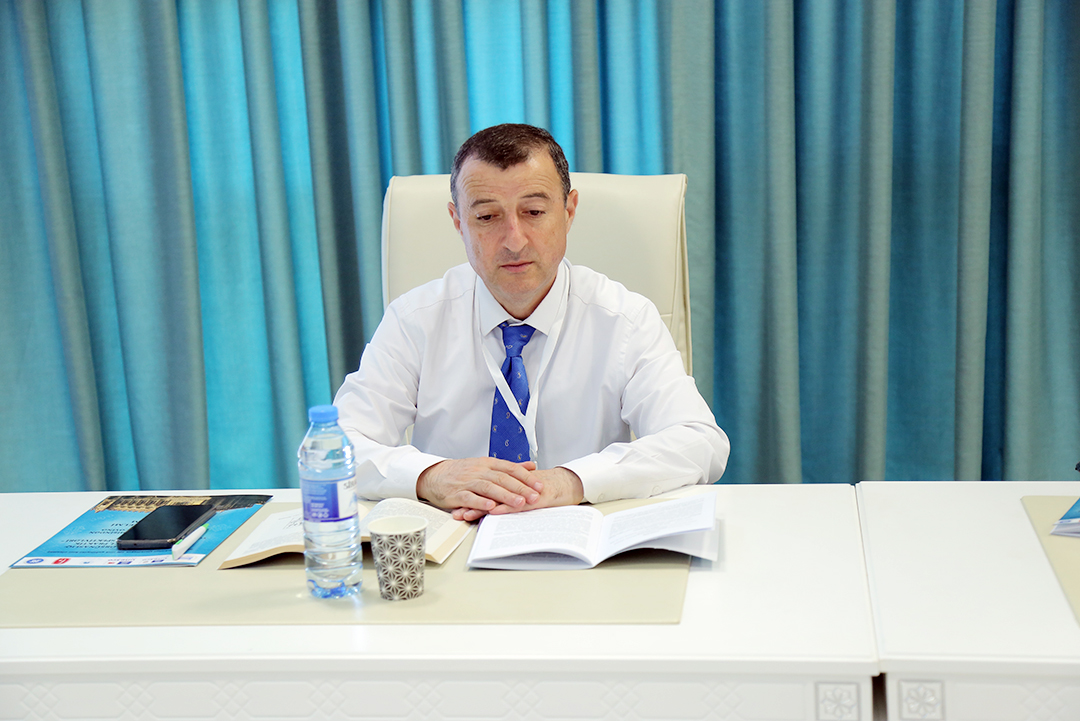
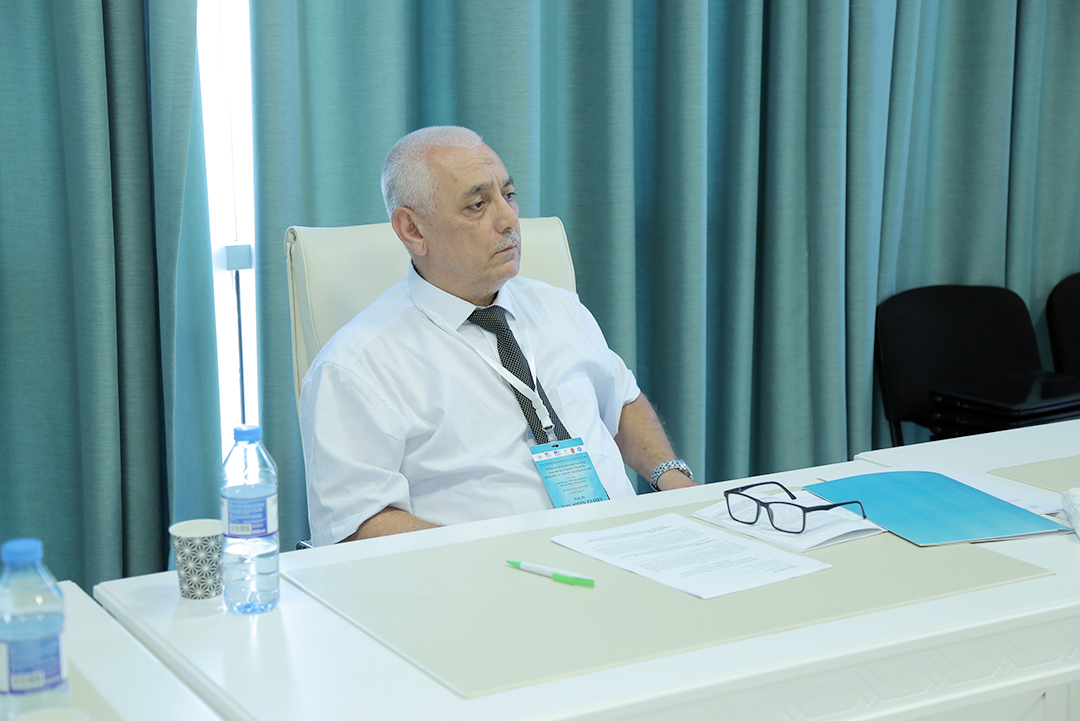
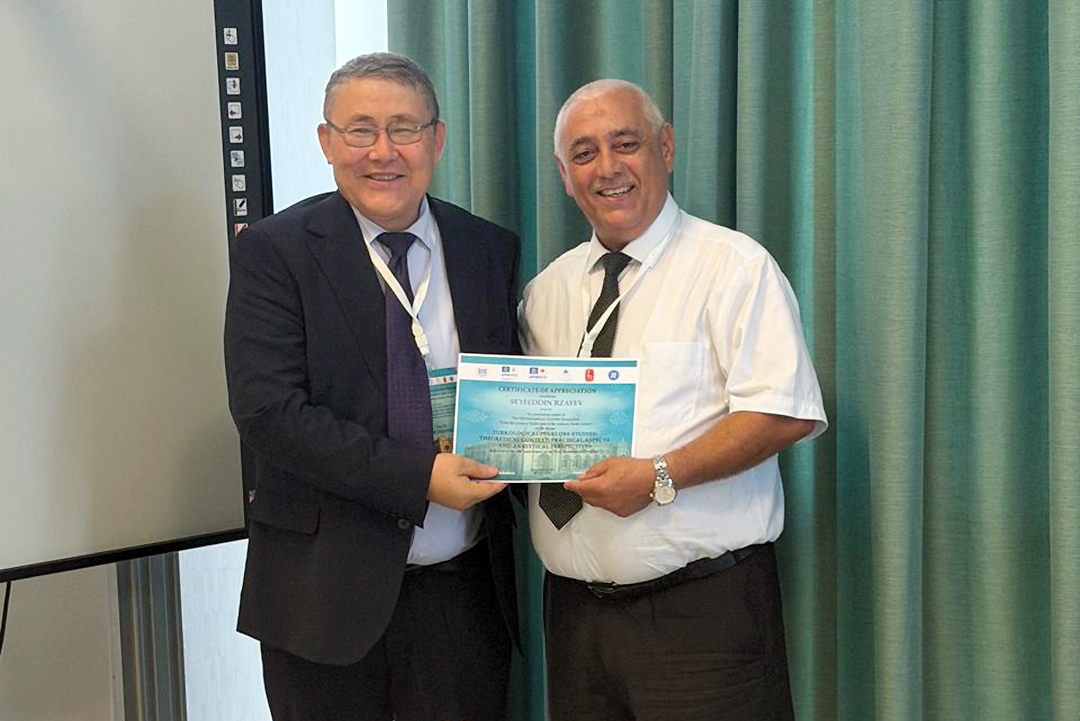
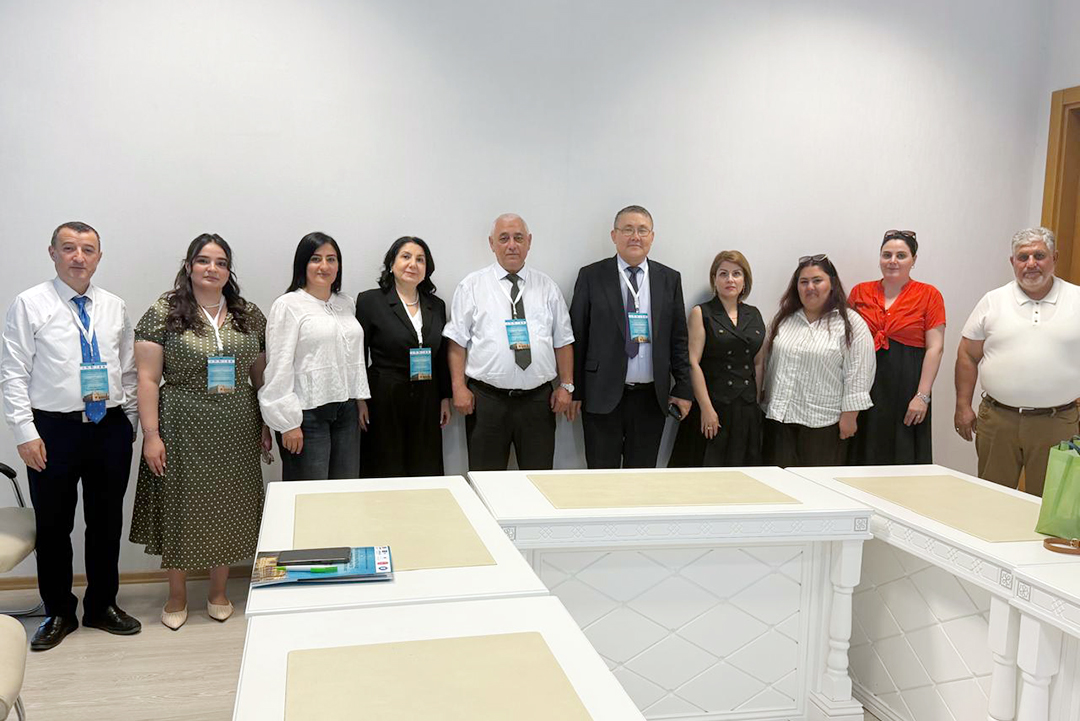
The session took place in the conference hall (Alibey Huseynzade Hall) of the Central Scientific Library and was moderated by Professor Jabbor Eshonkulov of the Institute of Uzbek Language, Literature and Folklore of the Academy of Sciences of Uzbekistan and Professor Seyfaddin Rzayev of the ANAS Institute of Folklore.
The panel focused on the preservation of the folklore memory of the Turkic peoples, comparative studies of shared mythological concepts, new scholarly approaches to the analysis of epics and legends and the transmission of cultural heritage to future generations. The speakers mentioned the contemporary relevance of these issues within the context of modern humanities research.
Opening the panel, Professor Jabbor Eshonkulov made a presentation entitled “Language and Artistic Thought”. He highlighted the historic significance of the First Turkological Congress, held in 1926, in advancing the study of the languages, history, culture and folklore of the Turkic peoples. He also mentioned the need to examine the common cultural heritage of the Turkic world through new methodological approaches in the age of artificial intelligence and globalization.
Professor of the Institute of Folklore ANAS Seyfaddin Rzayev presented a paper titled “The Phenomenon of Deli Domrul: A Perspective on the Parallelism Between Temir Baba and Deli Domrul”. Drawing on the scholarly interpretations of Kazakh mythologist Serikbol Kondybay and Galib Sayilov, he analyzed the figure of Deli Domrul from the epic “The Book of Dede Gorgud”.
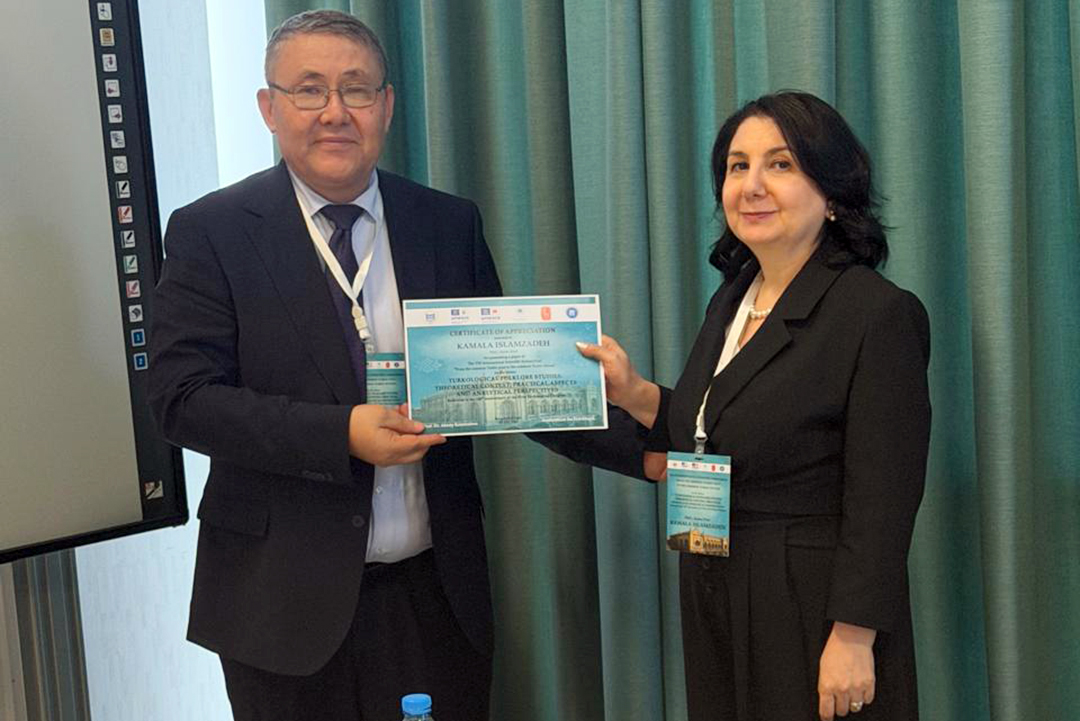
Associate Professor of Baku State University Kamala Islamzade presented a paper entitled “Justice as a Shared Value of the Turkic Peoples: Based on Folklore Narratives about Courts”. Her presentation offered a comparative analysis of the concept of justice as represented in the folklore traditions of various Turkic peoples.
Associate Professor Khalida Shaiggizi (Mammadova) of the ANAS Institute of Folklore discussed folklore motifs and ethnographic descriptions in the works of Haji Karim Sanili, a victim of political repression. She noted that depictions of weddings, funerals, migration and birth rituals, folk games, beliefs, everyday customs and the motifs of ashiq poetry in his writings play a significant role in preserving the spiritual and cultural memory of the nation.
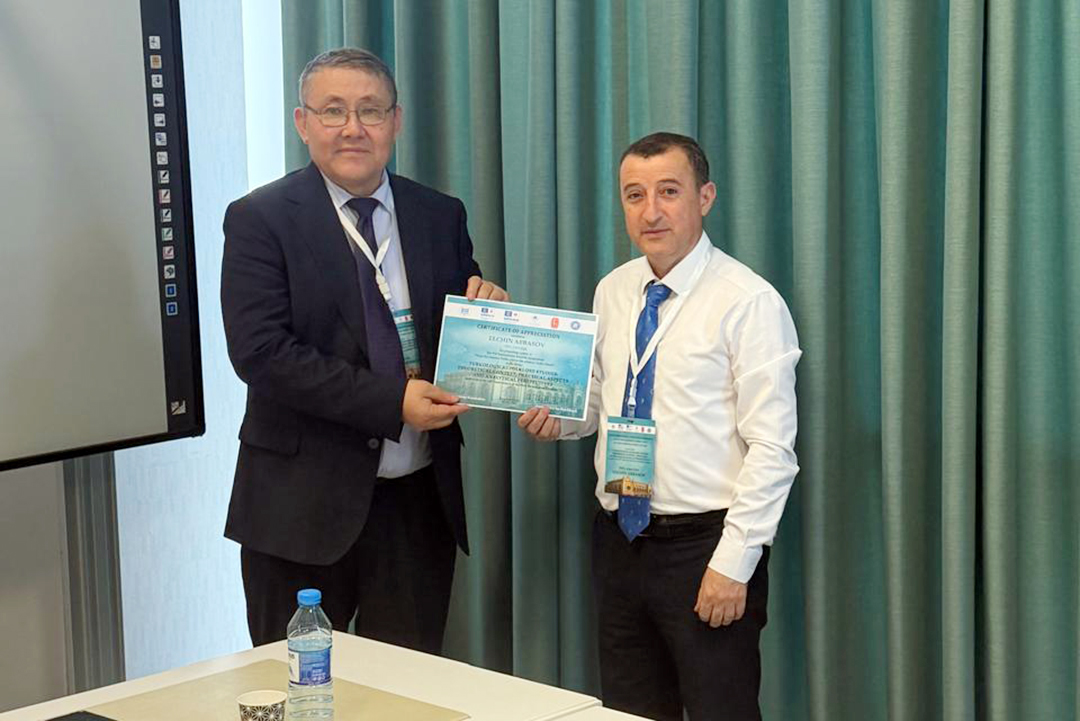
Associate Professor Elchin Abbasov of the ANAS Institute of Folklore delivered a presentation entitled “The Dragon Symbol in the Turkic Tradition of Statehood”. He explained that the dragon emerged as a symbol of political authority, military strength, and sacred power within the Turkic state tradition, while also carrying multilayered semantic meanings associated with cosmogonic beliefs, fertility and the preservation of life in Turkic mythological thought.
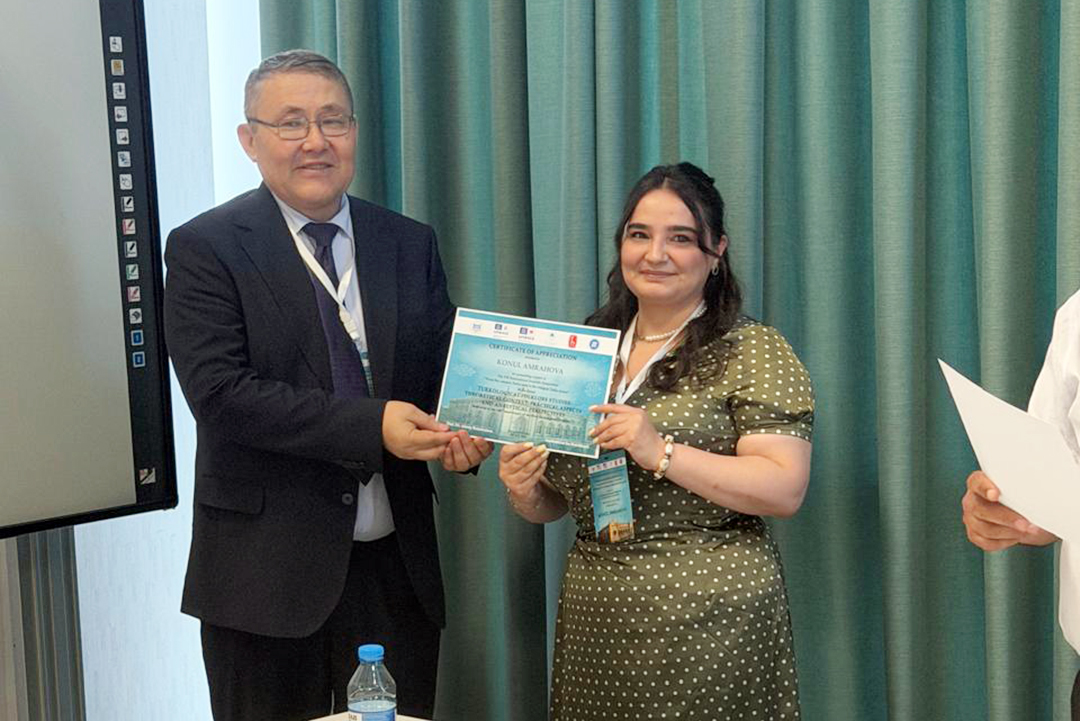
The final presentation of the panel was made by doctoral researcher Konul Amrahova of the ANAS Institute of Folklore. Her paper was on the theme “The Poetic Structure of the Tabriz-Tbilisi Version of the Epic “Koroglu” and the poetic composition of this important manuscript tradition was studied.
The panel concluded with extensive scholarly discussions on various aspects of the shared folklore memory, mythological thinking, national and spiritual values and cultural heritage of the Turkic peoples. Participants underscored the importance of developing new research methodologies and expanding comparative studies in these fields.