
NEWS
In the Symposium “Turkological Folklore Studies” the theoretical and methodological issues of Turkological Folklore Studies within the philosophical-anthropological paradigm of the 21st century were discussed
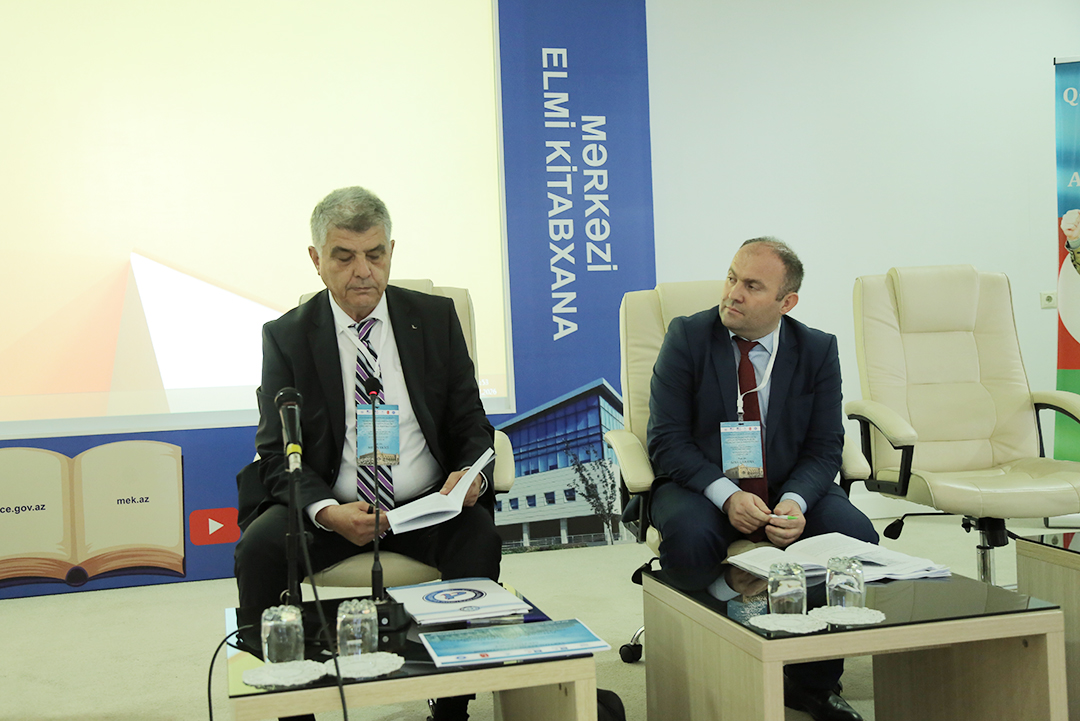
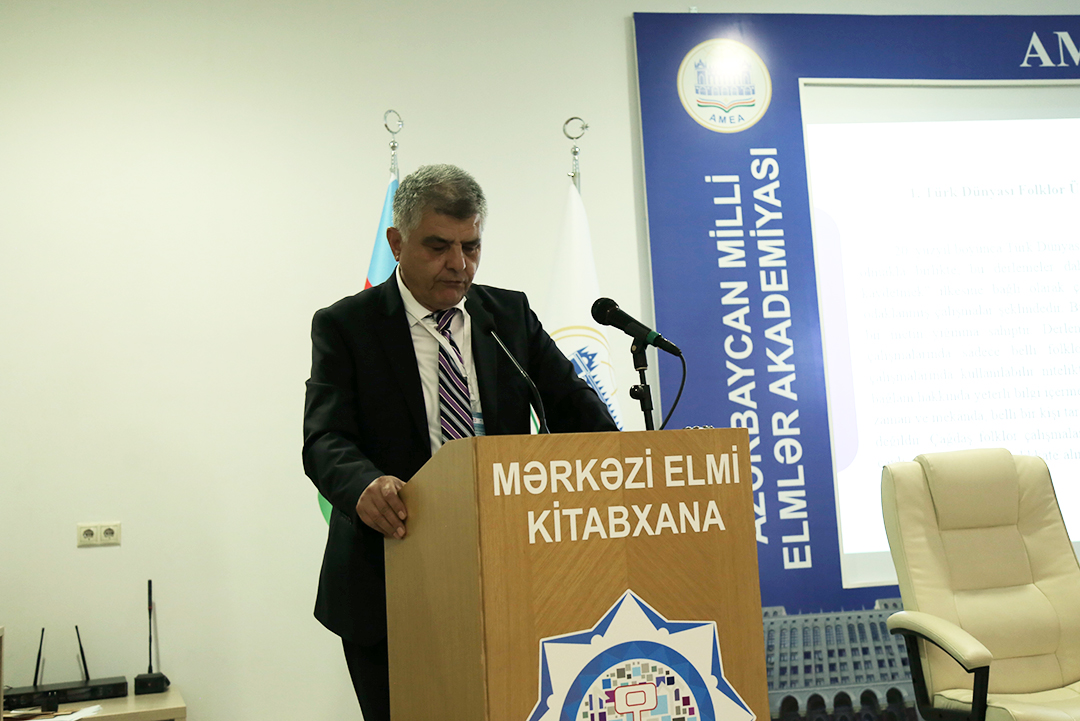
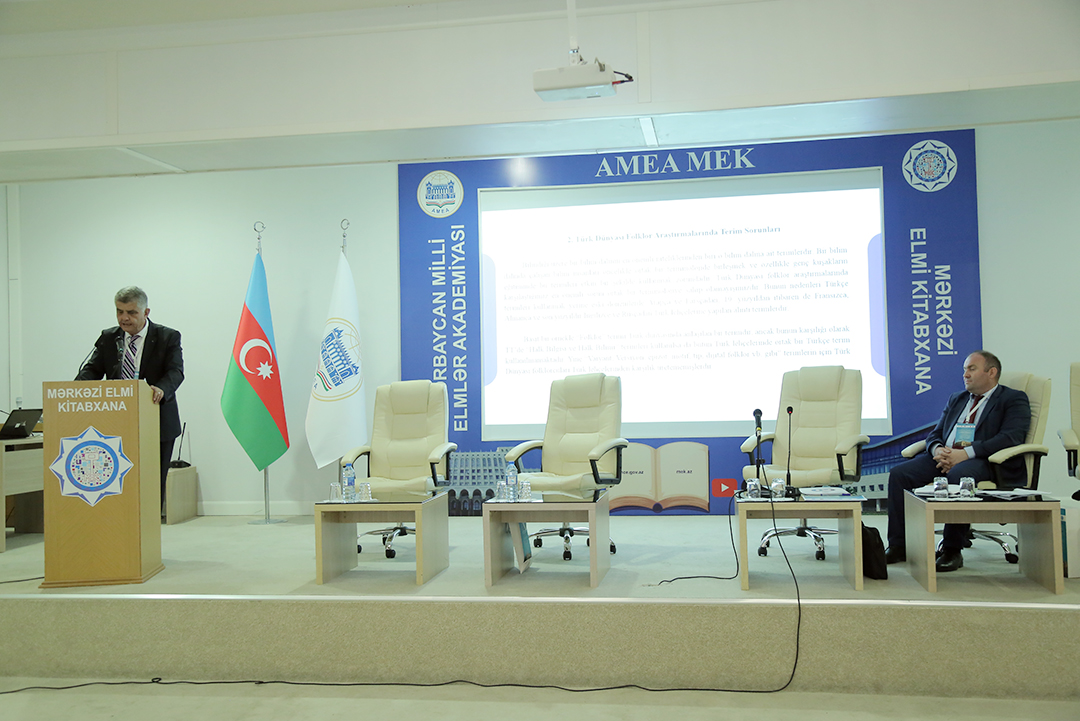
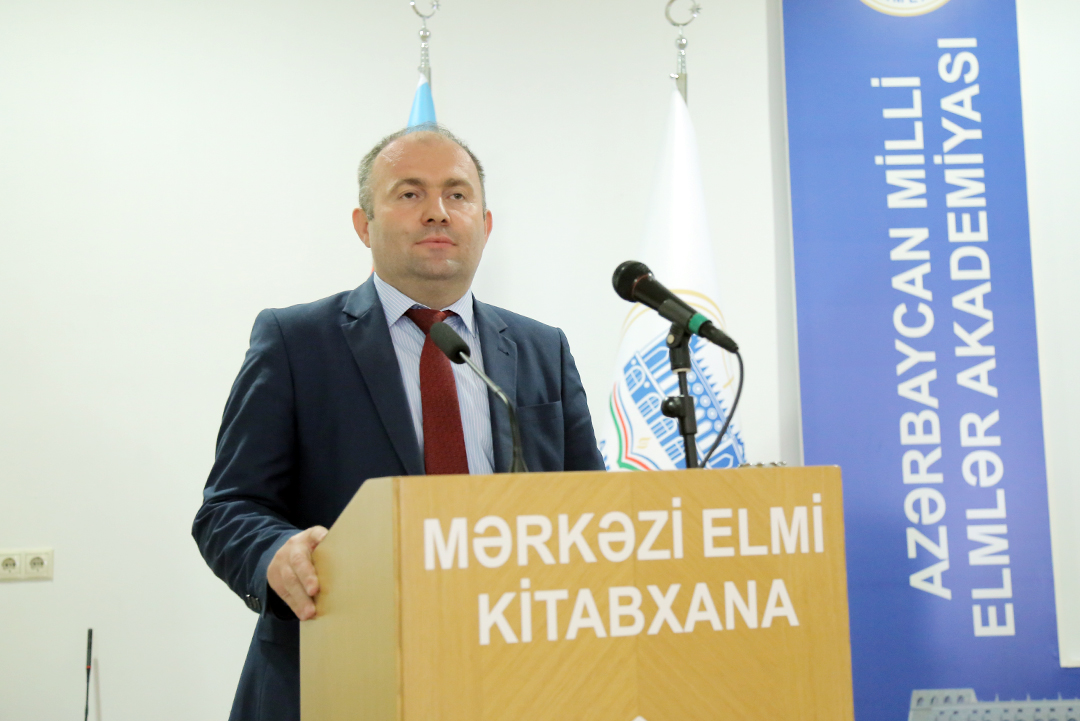
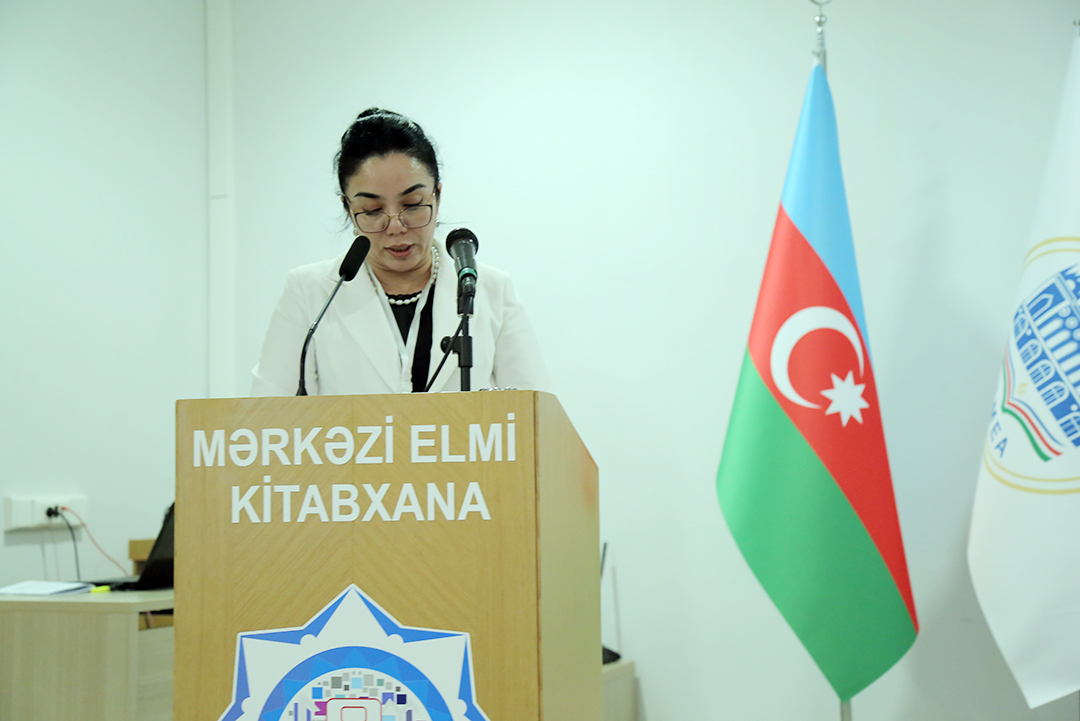
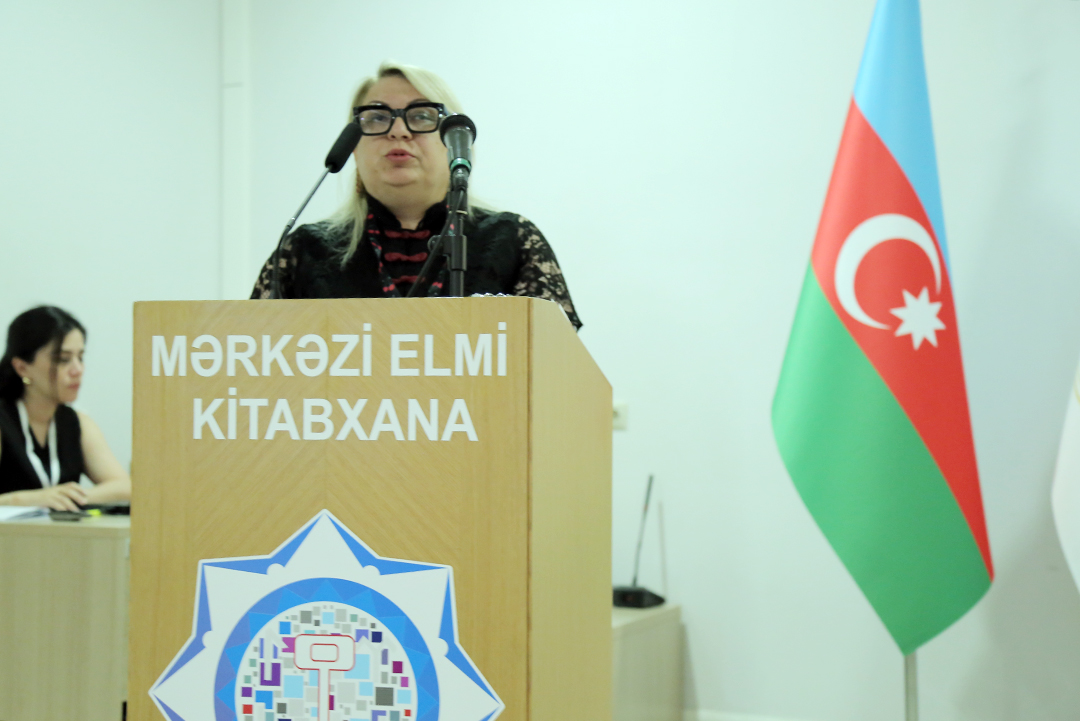
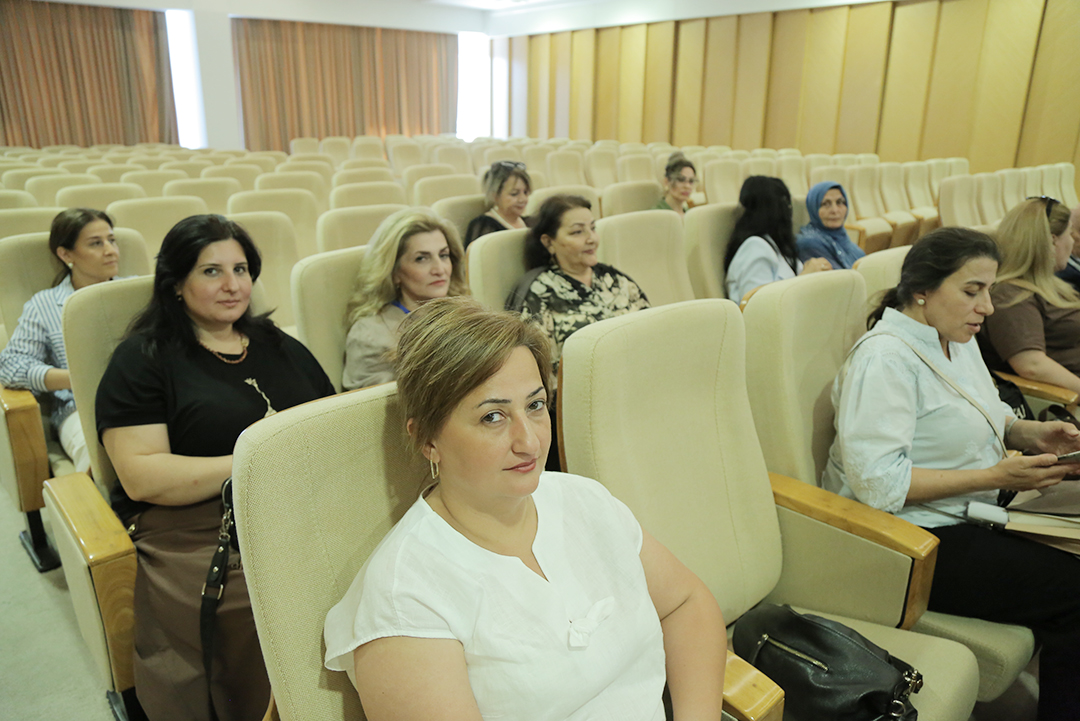
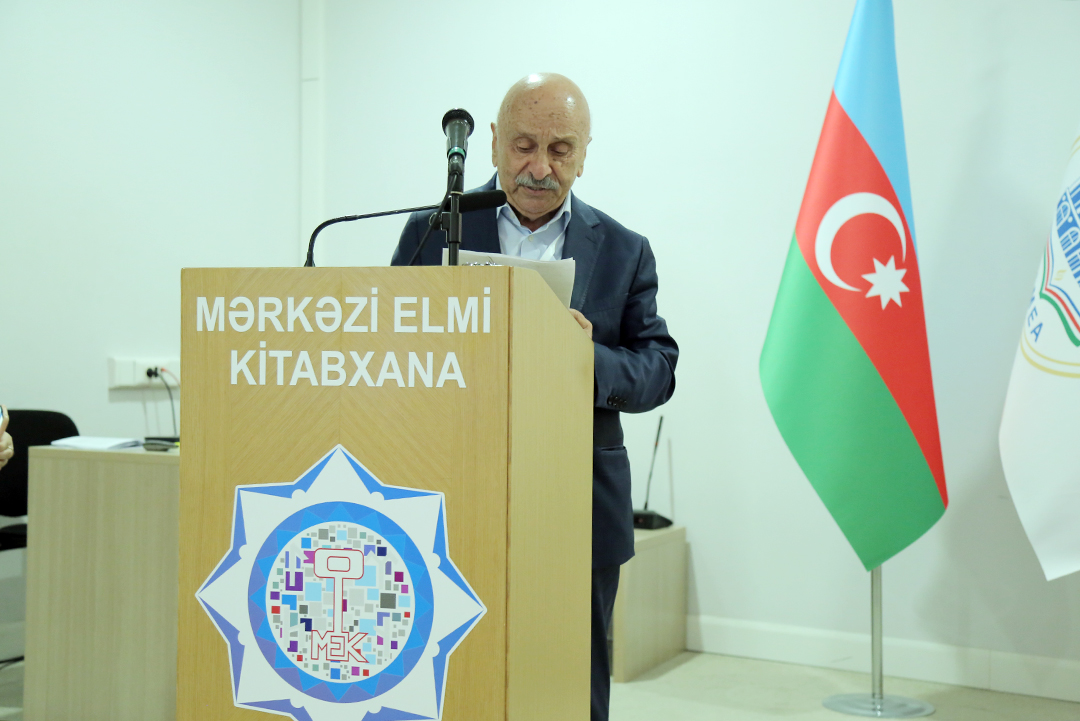
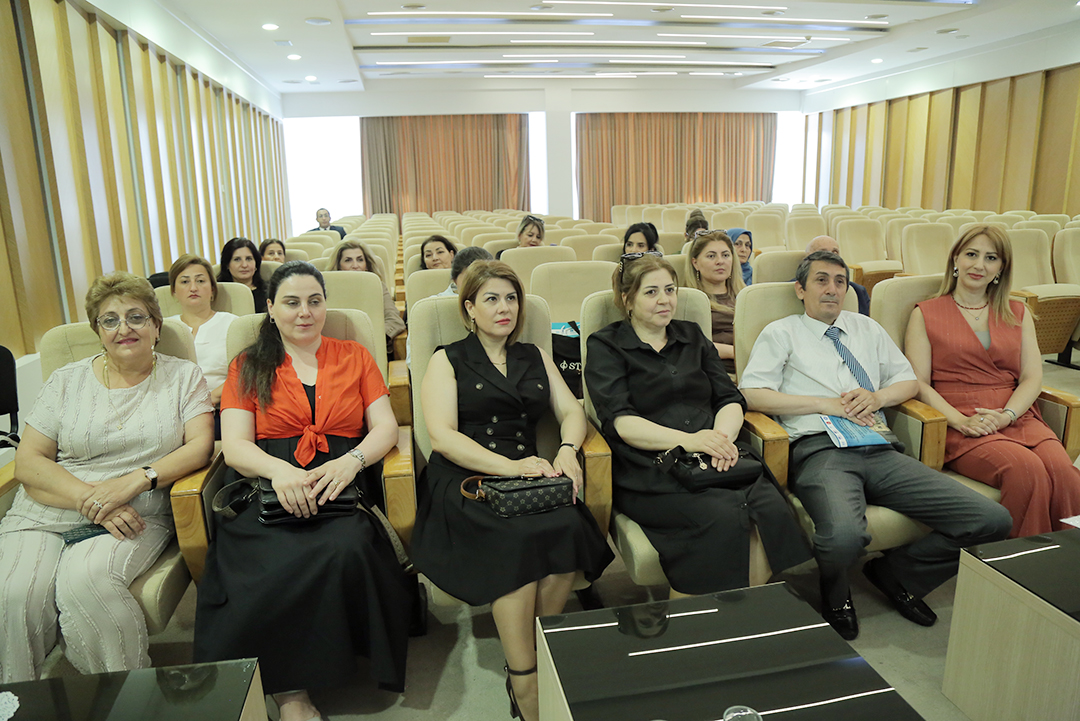
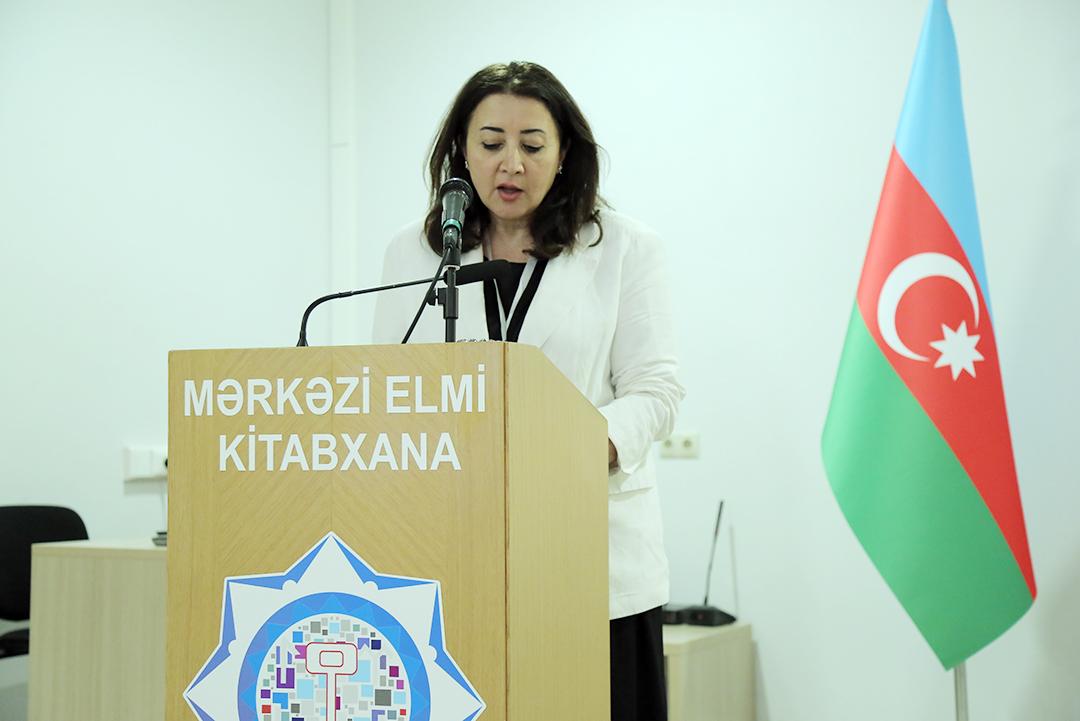
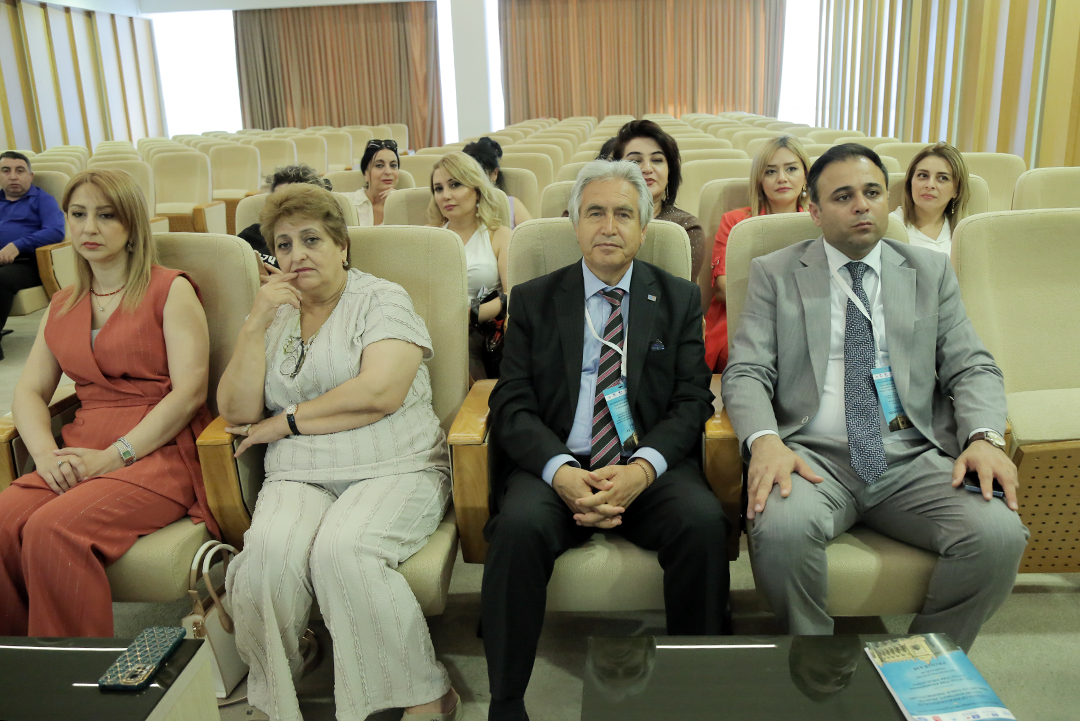
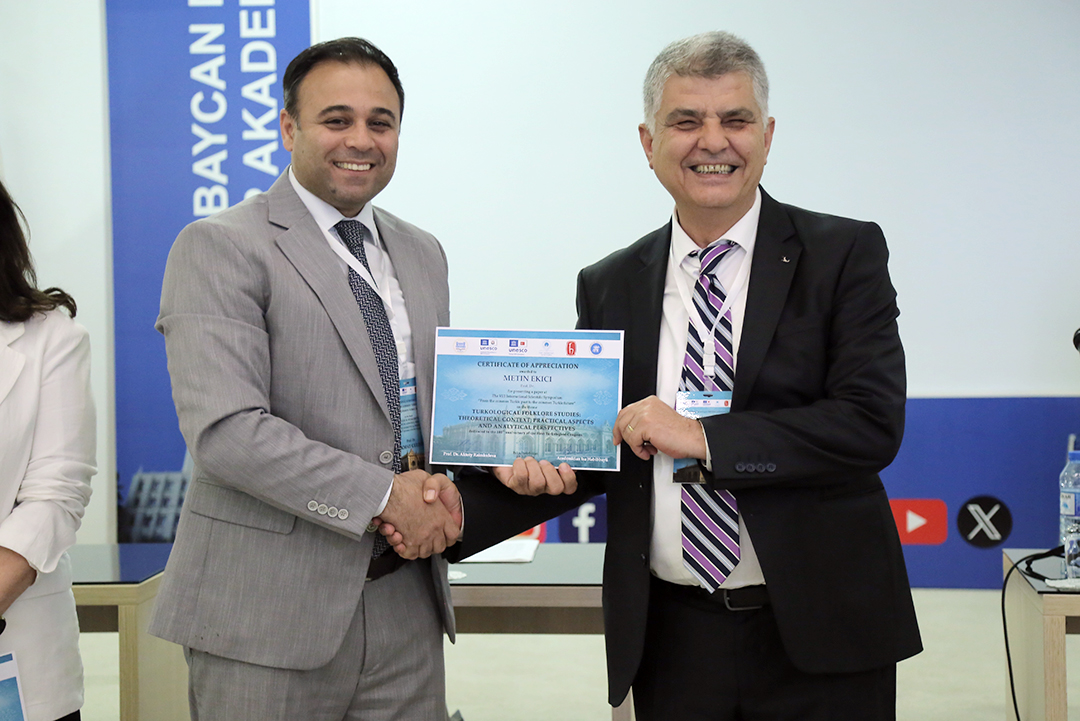
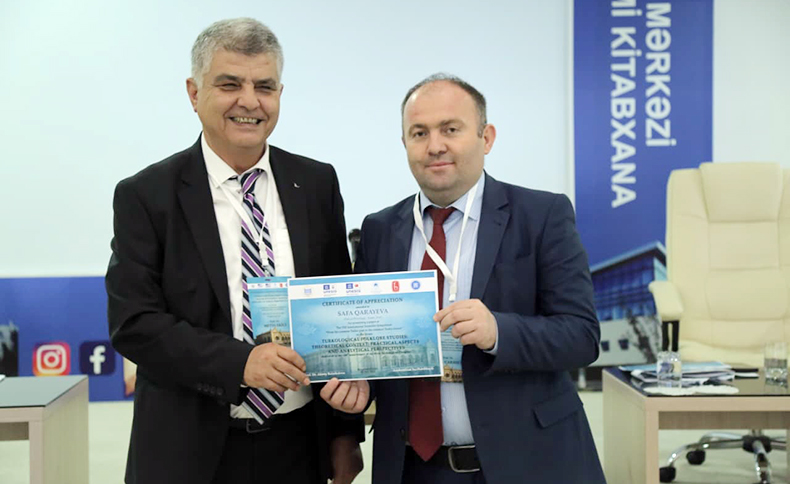
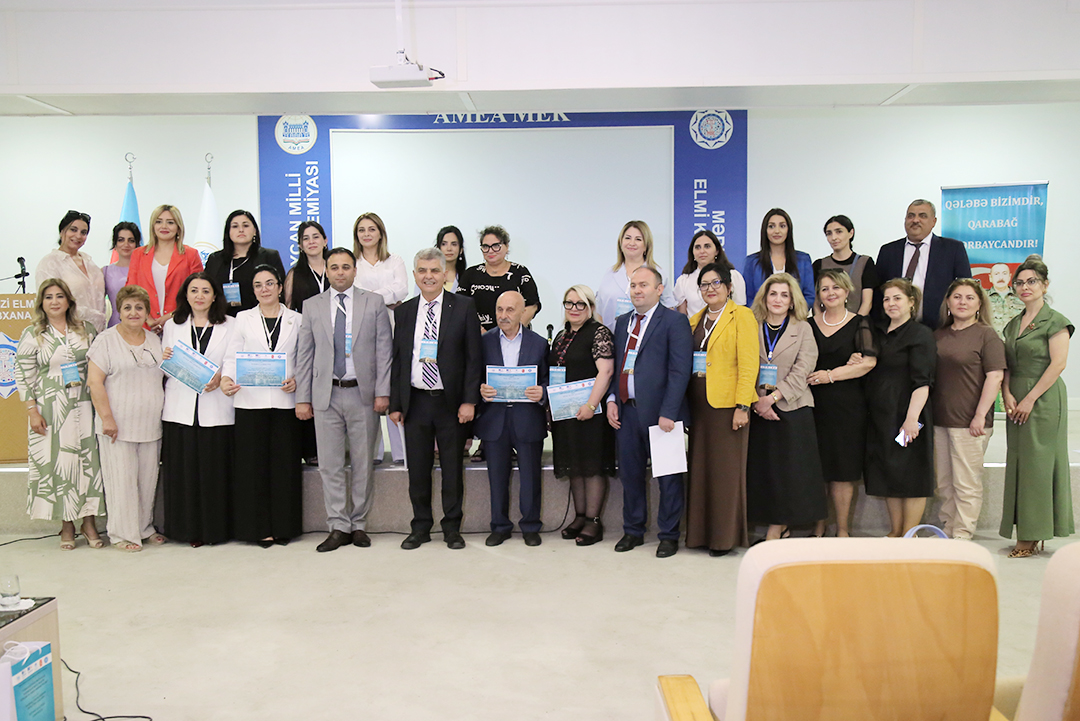
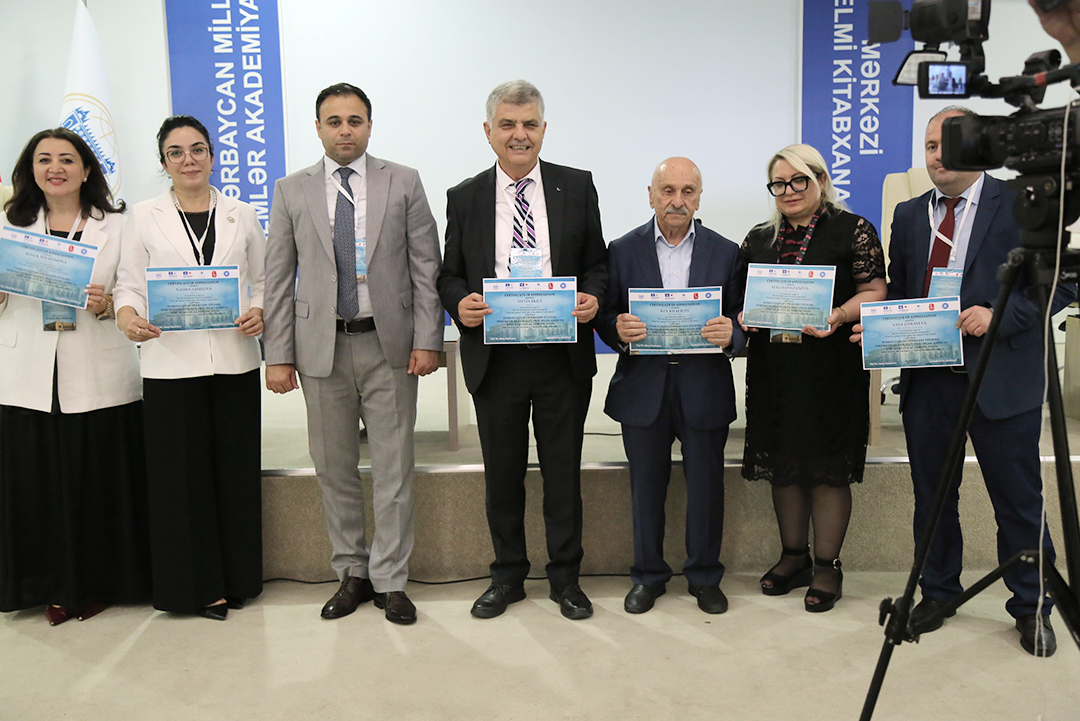
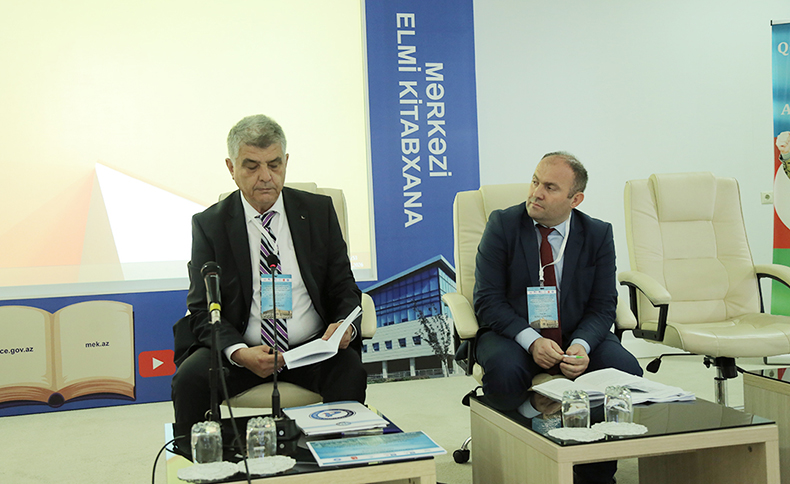
On the 2nd of July the first panel session titled “Turkological Folklore Studies within the Philosophical-Anthropological Paradigm of the 21st Century: Theoretical and Methodological Approaches” was held as part of the VIII International Symposium “From the Common Turkic Past to the Common Turkic Future” organized by the Azerbaijan National Academy of Sciences (ANAS) and the Institute of Folklore ANAS. The session took place in the Shusha Hall of the ANAS Central Scientific Library and was moderated by Professor Metin Ekiji and Associate Professor Safa Garayev.
The panel featured extensive discussions on the theoretical and methodological challenges facing Turkological folklore studies in the 21st century, as well as contemporary issues related to socio-anthropological approaches, the safeguarding of intangible cultural heritage, collective memory, national identity and the study of the shared cultural heritage of the Turkic world.
Delivering the opening presentation, Professor Metin Ekiji of the Institute of Turkic World Studies at Ege University spoke about the place and strategic importance of folklore studies within the broader system of Turkological research.
Doctor of Sciences in Philology, Associate Professor Safa Garayev presented a paper entitled “The problem of meaning in the socio-anthropological discourse of the 21st century and Turkological Folklore Studies”. In his presentation he analyzed the theoretical significance of studying collective meaning-making, systems of metaphorical thinking and psycho-emotional discourse from the perspective of folklore studies within the context of socio-anthropological approaches.
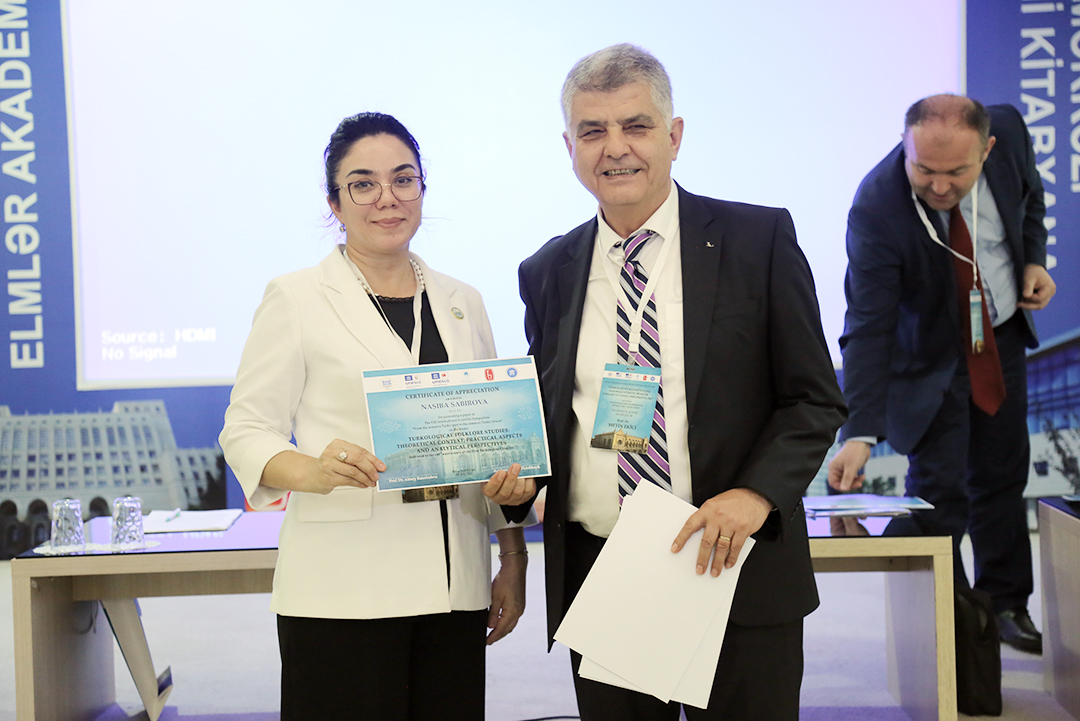
Professor Nasiba Sabirova from the Khorezm Regional Pedagogical Skills Center presented a paper on “The place and significance of the Khorezm khalfachilik tradition in the cultural heritage of the Turkic world” highlighting the role of the khalfachilik tradition in the spiritual and cultural heritage of Turkic peoples.
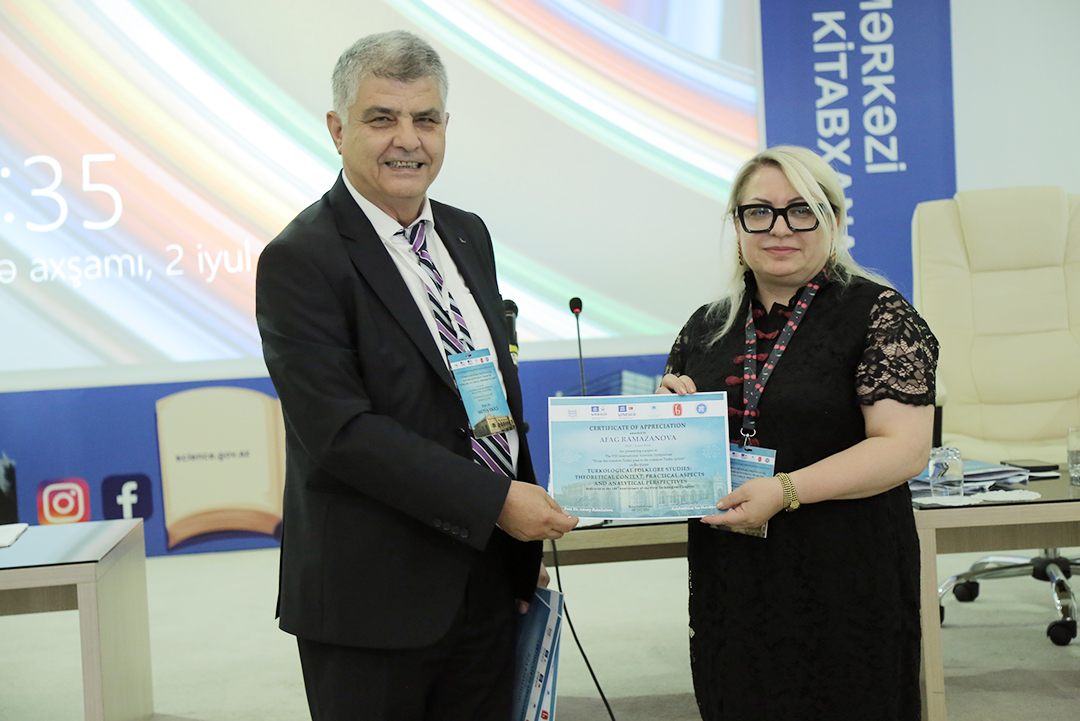
Deputy Director of the ANAS Institute of Folklore, Associate Professor Afaq Ramazanova made a presentation entitled “Stereotypes of women’s behavior in folklore: a theoretical approach and problem statement”, examining the theoretical foundations of the formation of female behavioral models in folklore.
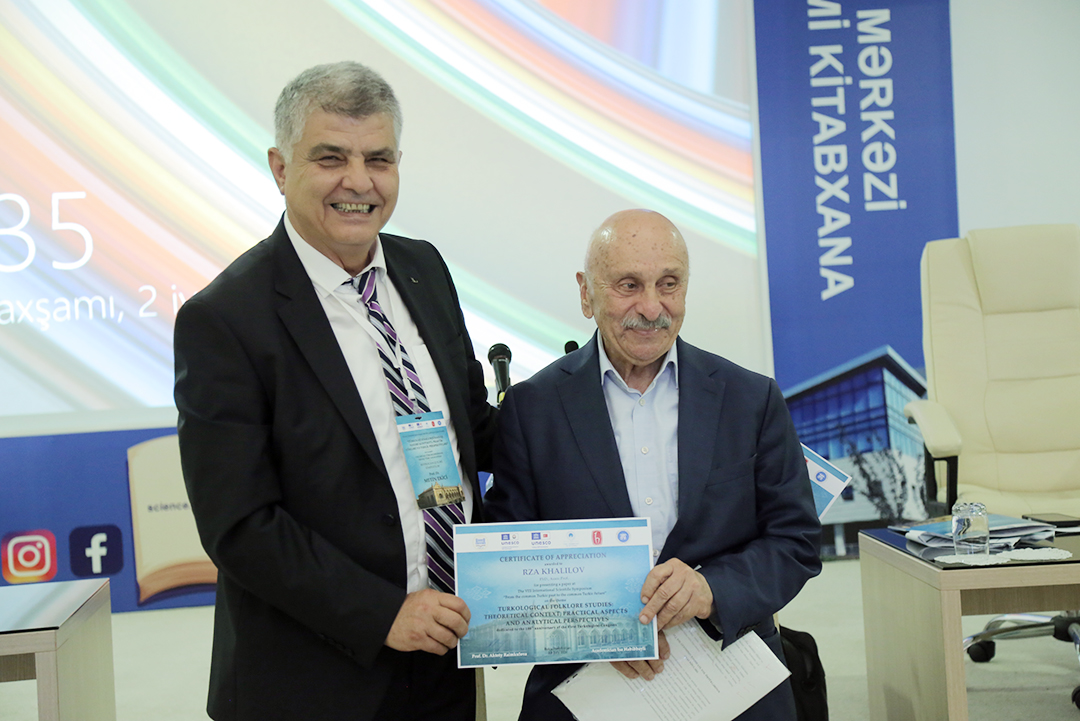
Associate Professor Rza Khalilov from the ANAS Institute of Folklore presented a paper titled “Preservation of folklore heritage and its return to academic circulation: the experience of the “First Editions’ Series” noting the projects of the Institute aimed at preserving folklore heritage and reintroducing it into scholarly circulation.
PhD in Philology and a staff member of the ANAS Central Scientific Library Aytan Aliyeva discussed the role of intangible cultural heritage in shaping the national identity of Turkic peoples.
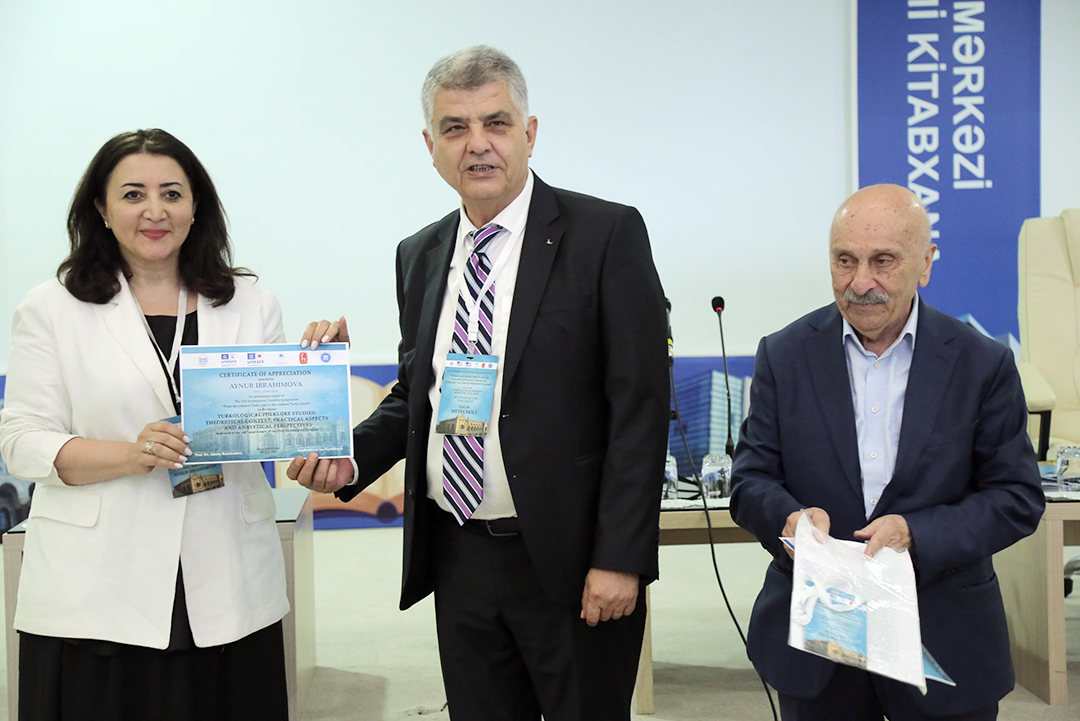
The final presentation of the panel was delivered by Associate Professor Aynur Ibrahimova of the ANAS Institute of Folklore on the theme “Intangible cultural heritage and the socio-cultural aspects of sustainable development”.
The concluding discussion focused on the future prospects of Turkological folklore studies in the 21st century, the application of new theoretical and methodological approaches, the expansion of socio-anthropological research, the safeguarding of intangible cultural heritage, the study of collective cultural memory and the development of a unified academic platform for researching the common cultural heritage of the Turkic world.