
NEWS
New Directions for the Development of Turkological Folklore Studies Identified at the VIII International Symposium “From the Common Turkic Past to the Common Turkic Future”
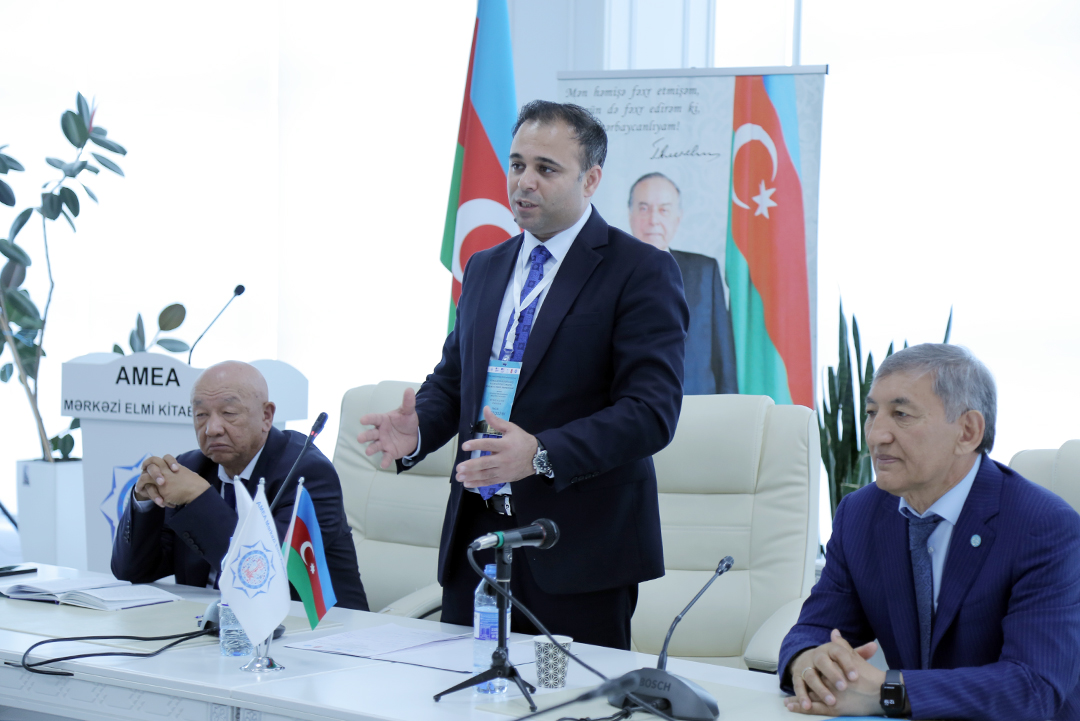
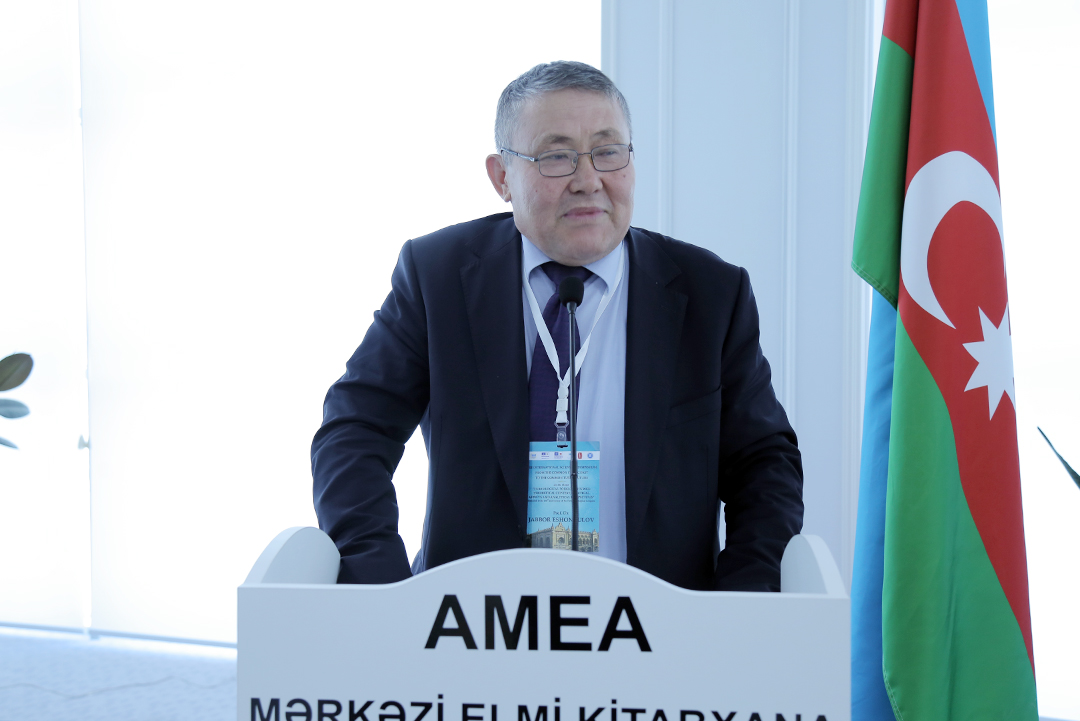
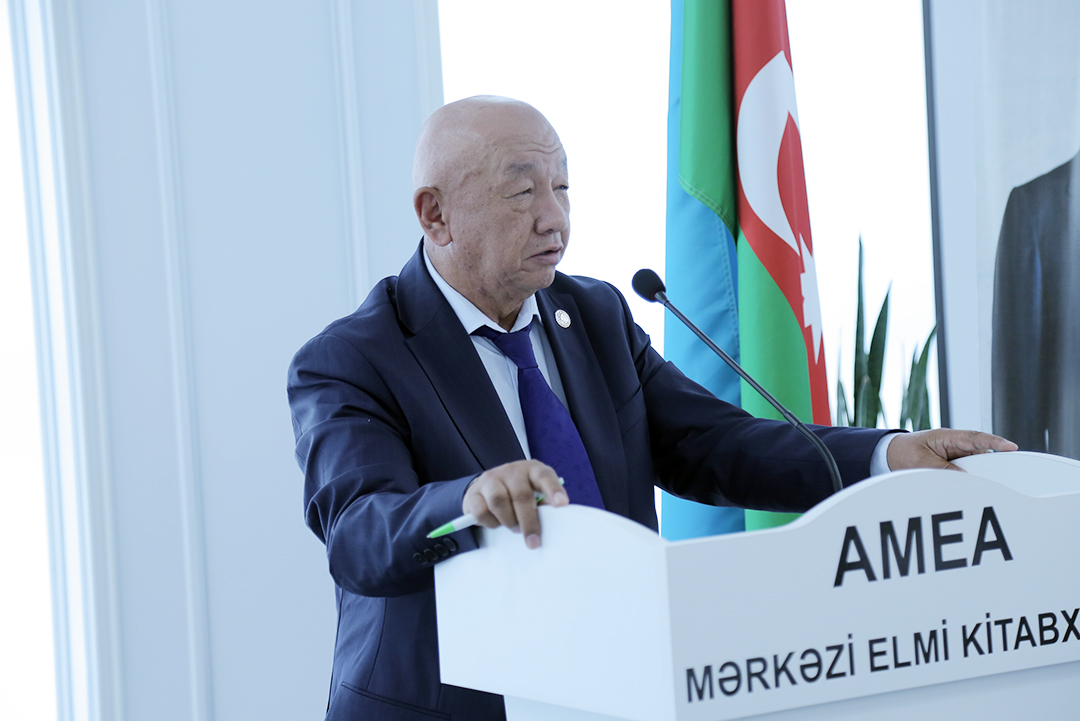
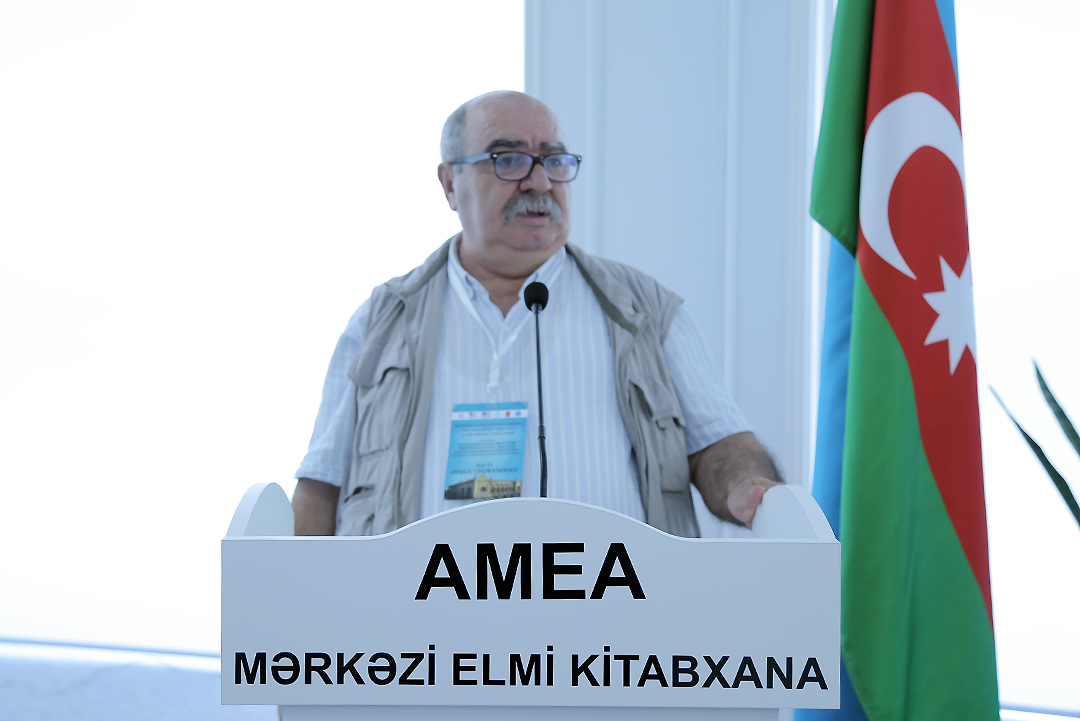
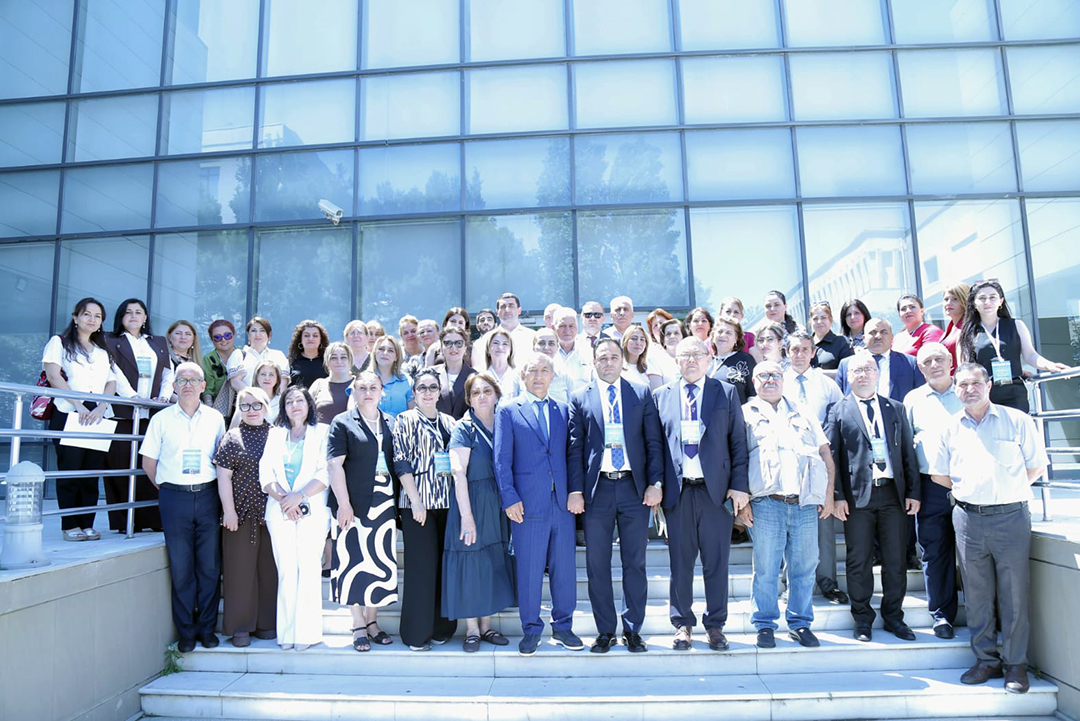
The VIII International Symposium “From the Common Turkic Past to the Common Turkic Future” organized by the Azerbaijan National Academy of Sciences (ANAS) and the Institute of Folklore ANAS in partnership with the Turkic Culture and Heritage Foundation, the National Commission of the Republic of Azerbaijan for UNESCO, the Turkish National Commission for UNESCO and Hajettepe University, concluded with its closing session. During the closing ceremony, the symposium’s scientific outcomes were summarized, the discussions held throughout the panel sessions were reviewed, and future directions for international academic cooperation were outlined.
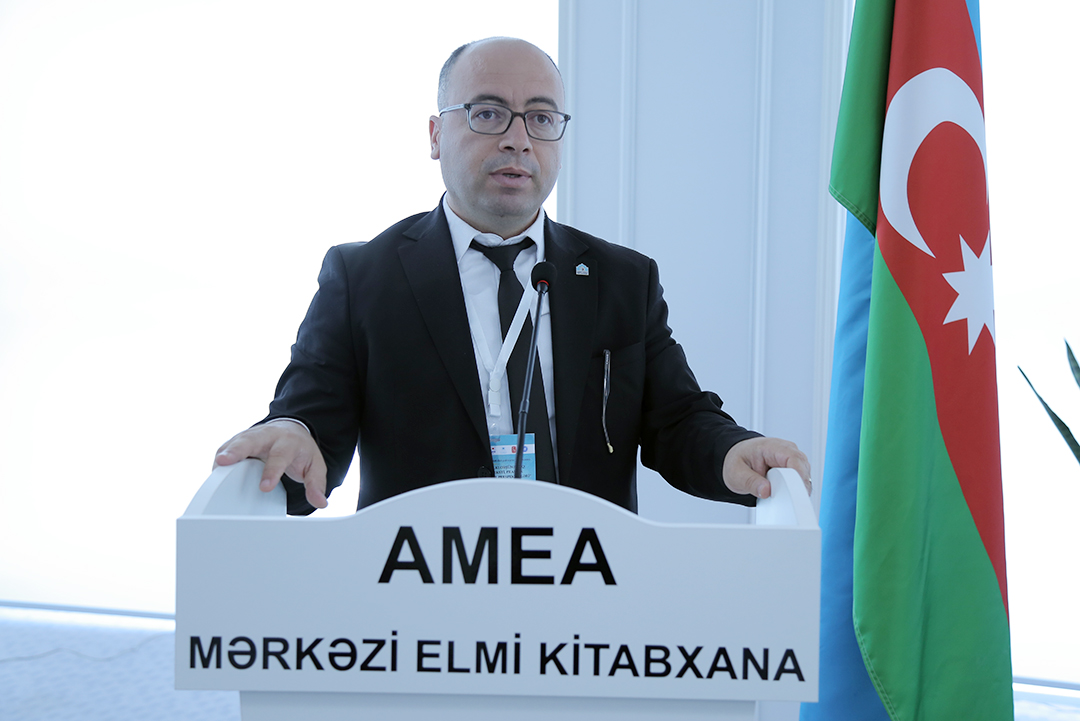
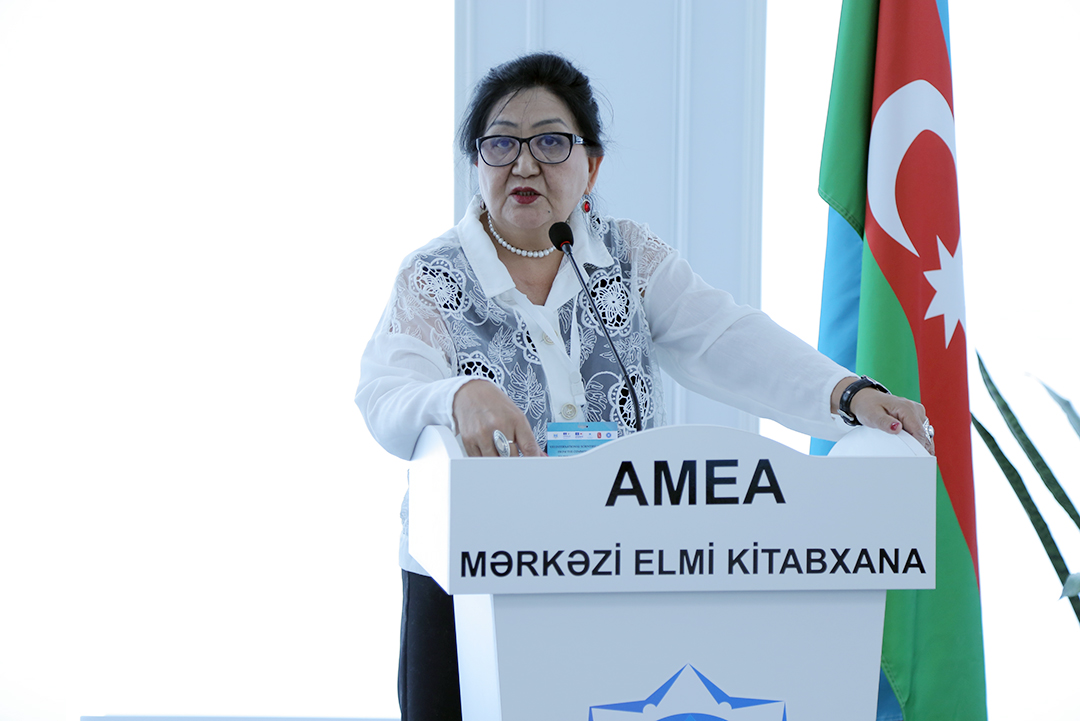
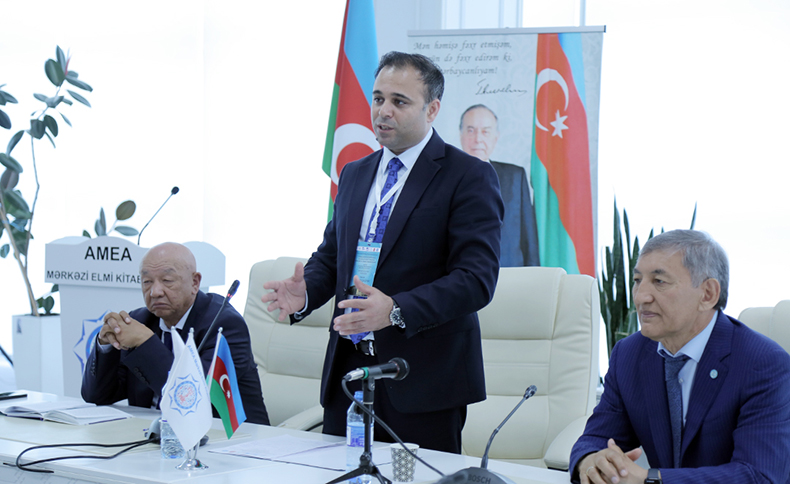
At the closing session Director of the Institute of Folklore ANAS Hikmat Guliyev mentioned that the primary objective of the symposium was to establish a sustainable platform for cooperation dedicated to the scholarly study, preservation and transmission of the shared historical and cultural heritage of the Turkic peoples to future generations. He noted that the integration process within the Organization of Turkic States in recent years had created favorable conditions for elevating academic and humanitarian cooperation to a new level, making it necessary to reconsider Turkological studies on the basis of new theoretical approaches.
Hikmat Guliyev further noted that in an era characterized by globalization, digitalization and the rapid development of artificial intelligence technologies, the study of the common cultural heritage of the Turkic world could no longer be confined to traditional approaches. According to his thought Turkological folklore studies should evolve beyond the comparative analysis of the folklore of individual Turkic peoples and develop into a multidisciplinary academic field built upon a shared methodology, unified scientific terminology, coordinated field research, integrated digital archives and common Turkic academic databases.
Concluding his remarks, Hikmat Guliyev noted that the future development of Turkological folklore studies depended on the implementation of joint research projects, the establishment of a unified digital academic infrastructure, the expansion of coordinated cooperation among researchers, and the study of the rich folklore heritage of the Turkic world through contemporary scientific methodologies. He added that the discussions held during the symposium had generated new prospects for academic collaboration and would make a significant contribution to the future development of Turkological folklore studies.
The chairs of the symposium panels then presented reports summarizing the discussions and outcomes of their respective sessions.
It was mentioned during the closing session that the VIII International Symposium “From the Common Turkic Past to the Common Turkic Future” had made an important contribution to strengthening scholarly cooperation in the study of the shared cultural heritage of the Turkic peoples, addressing current issues in folklore studies, and identifying new directions for future academic research.
It should be noted that the symposium featured 10 thematic sessions, during which 82 scholarly papers were presented. The sessions covered a wide range of topics, including “Turkological Folklore Studies in the Philosophical and Anthropological Paradigm of the Twenty-First Century: Theoretical and Methodological Approaches”, “The Folklore Memory of the Turkic World: Shared Values, Mythological Thought and Cultural Heritage”, “The Concept of Turkological Folklore Studies: From Ideological-Romantic Approaches to Scientific-Theoretical Discourse”, “The Turkic Epic Tradition: Text, Context, and Historical Memory”, “Turkic Folklore in the Age of Digitalization: The Emergence and Transmission of Folkloric Thought on Digital Platforms and in New Media Environments”, “The Folklore Heritage of the Turkic Peoples: Shared Characteristics, Regional Differences and Problems of Comparative Analysis”, “Preserving Folklore Traditions: Oral Narration, Ashiq Art and Performative Culture”, “The First Turkological Congress and the Formation of Turkological Folklore Studies: Scholarly Heritage and Contemporary Perspectives”, “The Turkic World in Comparative Folklore Studies: Theoretical and Methodological Issues and Research Prospects”, “Contemporary Trends in Turkic Folklore: From Tradition to the Digital Environment”.
These presentations were followed by extensive scholarly discussions and the exchange of views on the most pressing theoretical and methodological issues in contemporary folklore studies.