
NEWS
Hanafi Zeynalli’s ritual folklore heritage and the distinctive features of wedding traditions were discussed at the Institute of Folklore
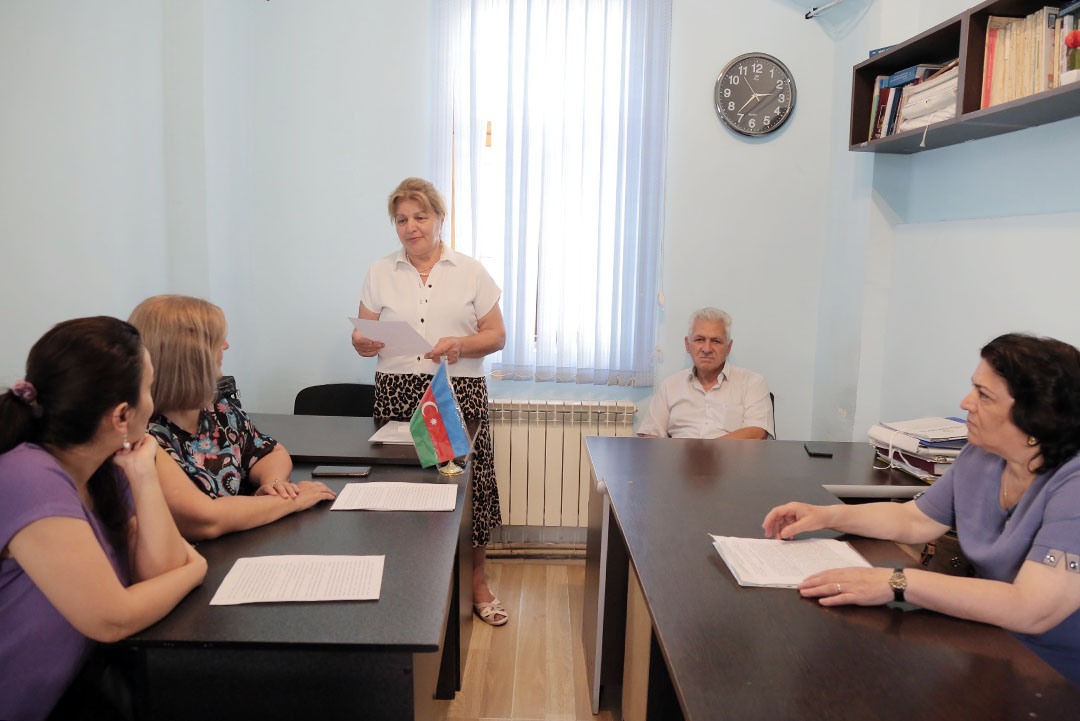
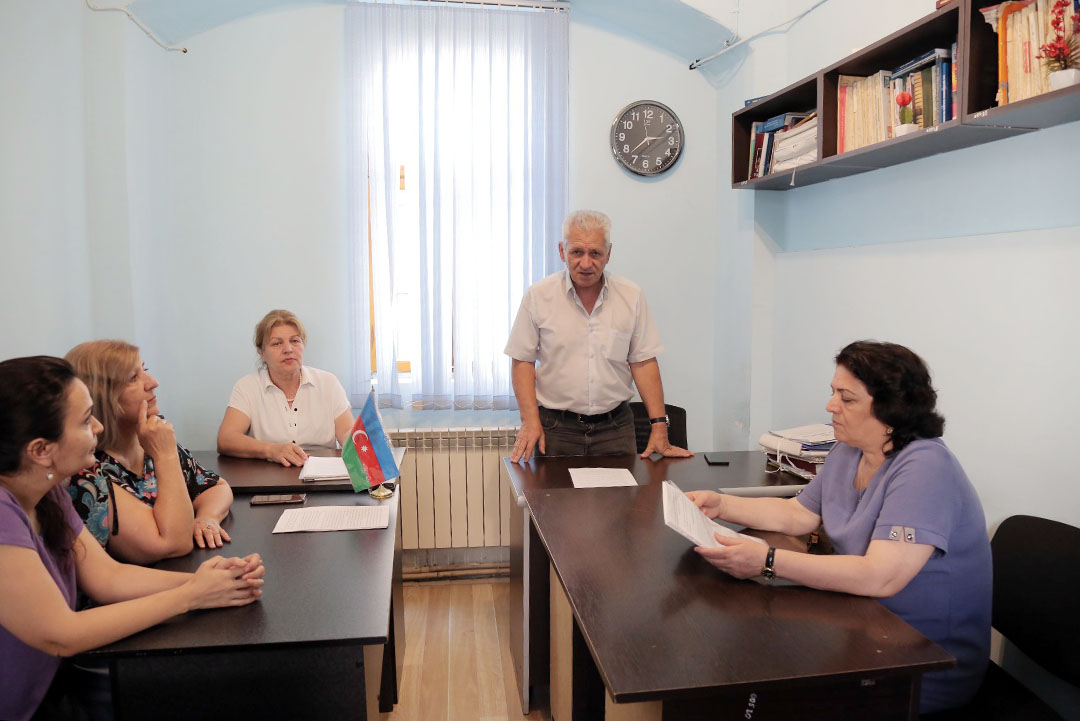
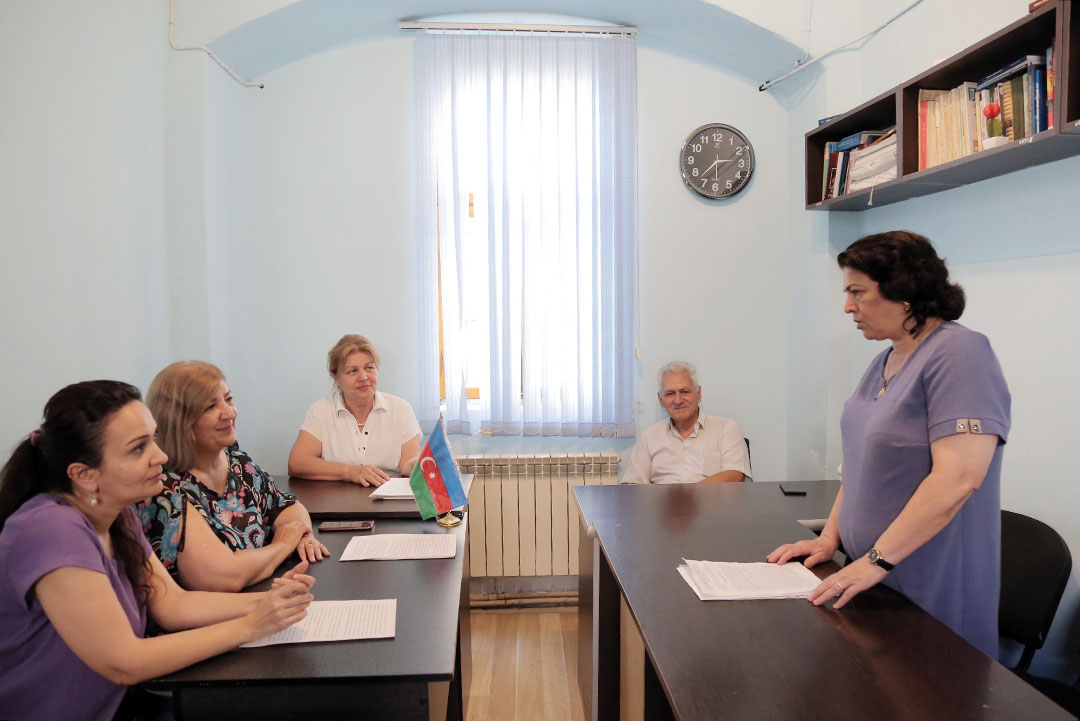
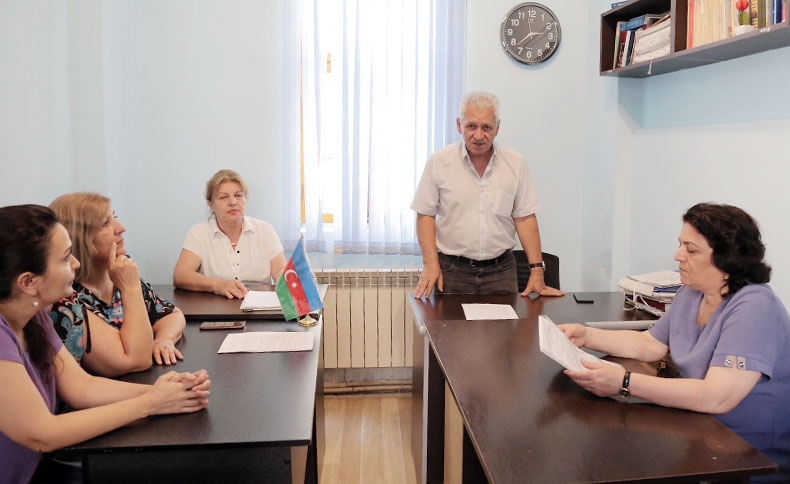
The Department of Ceremonial Folklore and National Culinary Traditions of the Institute of Folklore of the Azerbaijan National Academy of Sciences (ANAS) held its regular academic seminar. During the seminar the presentations were made by the research fellows Khazangul Mammadova on the topic “The Study of Ritual Folklore in Azerbaijani Folklore Studies of the 1920s–1930s” and Akifa Khalilova on “Local Characteristics of Wedding Ceremonies in Kurdamir”.
In her presentation, Khazangul Mammadova mentioned that Hanafi Zeynalli was one of the distinguished folklorists who made exceptional contributions to the formation and development of Azerbaijani folklore studies. She noted that Zeynalli was the first scholar in the history of Azerbaijani folklore studies to systematically address the publication and scholarly investigation of folk literature. In many of his books and articles, he had examined various aspects of ritual folklore and had expressed his views on its genres and significance.
The researcher also noted that Hanafi Zeynalli attached particular importance to ritual folklore and its genres, illustrating this with numerous examples from his scholarly works.
The seminar continued with a presentation by research fellow Akifa Khalilova entitled “Local Characteristics of Wedding Ceremonies in Kurdamir”. She explained that wedding ceremonies constitute one of the richest and most multilayered components of Azerbaijani folk culture, shaped by each region's historical development, ethnic composition, social relations and cultural memory. As an important part of the Shirvan folklore region, Kurdamir had preserved not only the common features of Azerbaijani wedding traditions but also its own distinctive local elements. Wedding ceremonies practiced in the region continue to play a significant social role by strengthening the family institution, regulating kinship relations and promoting collective solidarity.
The academic seminar concluded with discussions. Following the presentations, the Head of the Department of Ceremonial Folklore and National Culinary Traditions, Doctor of Sciences in Philology, Associate Professor Aghaverdi Khalil, PhD in Philology Shahla Huseynli and Senior Research Fellow Matanat Khalilova shared their scholarly observations and evaluations of the presented research. They also wished the researchers continued success in their future academic work.