
NEWS
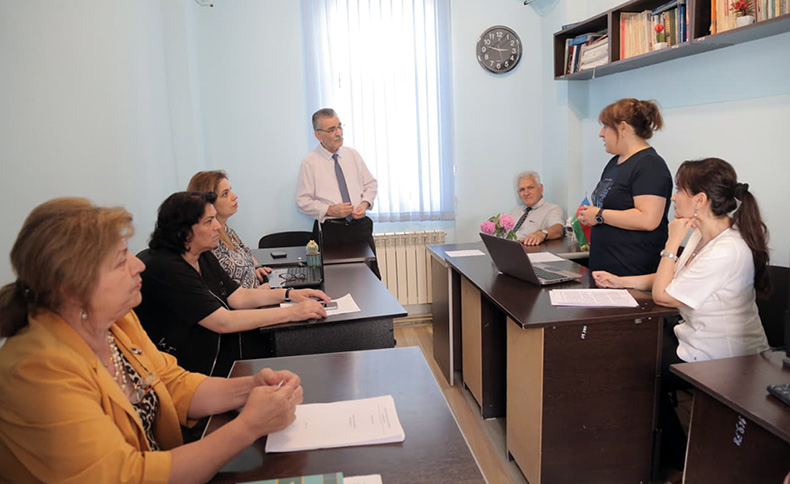
At the seminar the problems about semantics of the Novruz table and the genre characteristics of shadow theatre were discussed
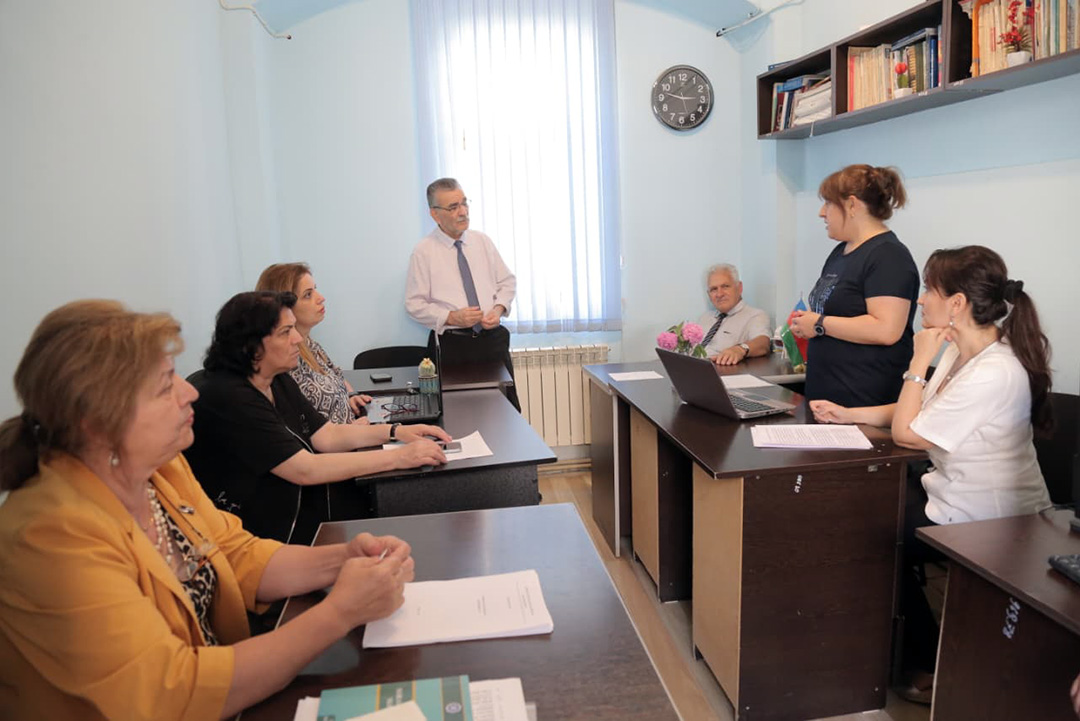
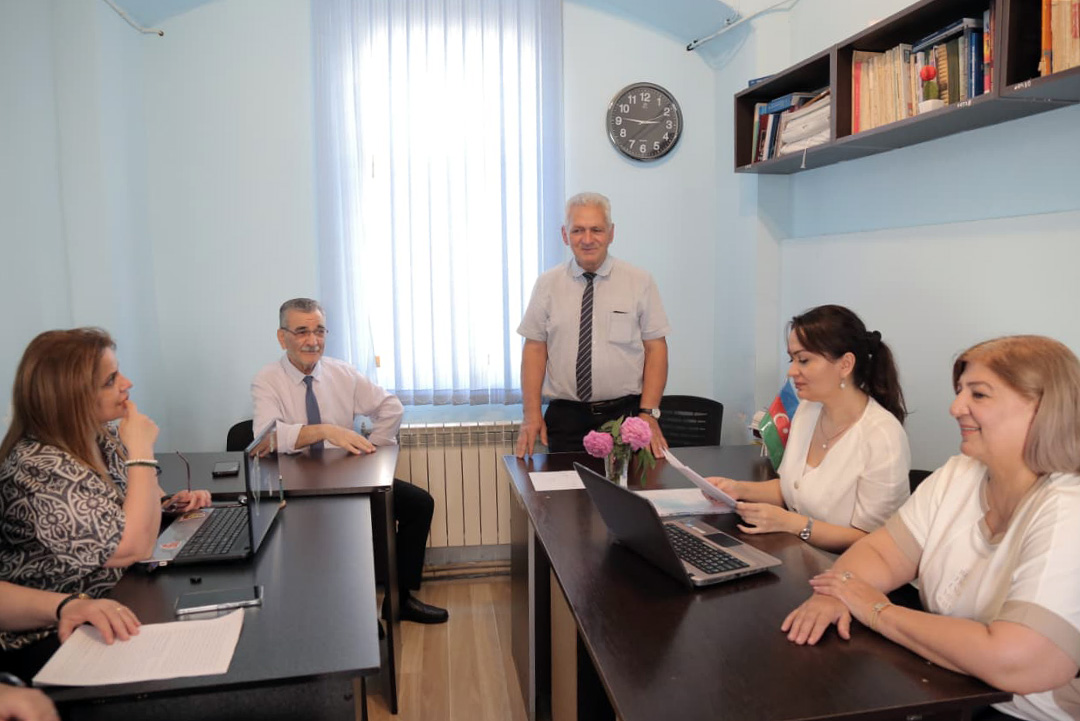
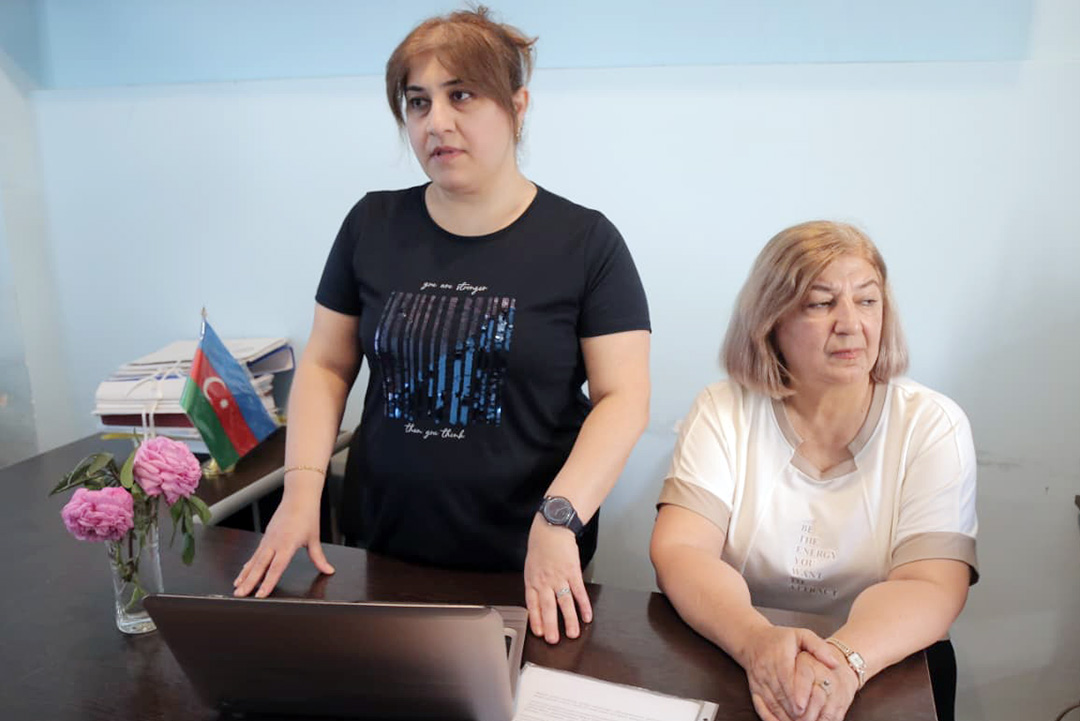
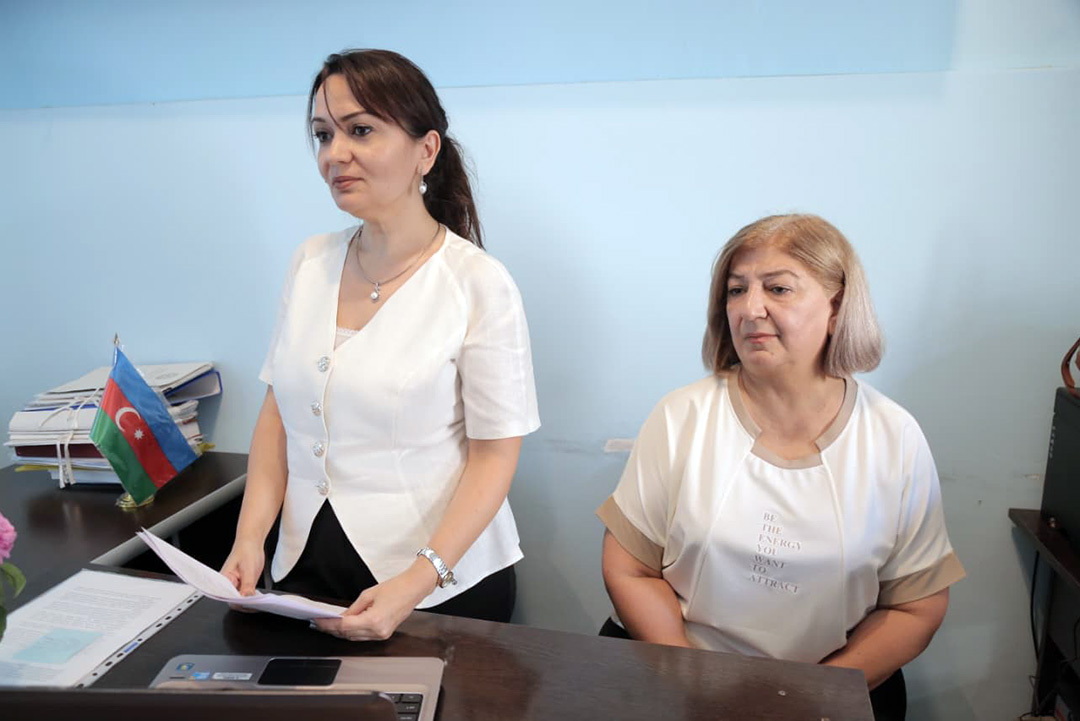
The Department of Folklore Ceremony and National Culinary Tradition of the Institute of Folklore ANAS held its regular academic seminar. The seminar featured presentations by PhD Shahla Huseynli on the theme “The Functional Semantics of Food Rituals during the Novruz holiday” and PhD Surayya Alizade, on the theme “The Genre Characteristics of Shadow Theatre in Turkic and Arabic Folklore”.
PhD Shahla Huseynli noted that Novruz, one of the oldest and richest cultural traditions of the Turkic peoples, was not merely a calendar festival, but also a ritual system with profound symbolic meaning. According to the researcher, the food rituals associated with Novruz reflect the people’s worldview, their relationship with nature, aspirations for abundance and the idea of social unity. In this context, the traditional dishes prepared by Turkic peoples for Novruz should be regarded not only as food but also as symbols carrying multiple layers of meaning.
She noted that while the Novruz table among Turkic peoples shared a common semantic foundation, it has also acquired distinctive features shaped by the geographical, economic, and ethnic characteristics of individual communities. Shahla Huseynli also mentioned the differences observed in the Novruz food rituals of various Turkic peoples.
The seminar then continued with a presentation by PhD Surayya Alizade entitled “The Genre Characteristics of Shadow Theatre in Turkic and Arabic Folklore”. According to the researcher, shadow theatre had long been one of the most popular forms of folk entertainment in the Arab world. She noted that the texts of shadow plays were valuable historical sources for reconstructing the vibrant atmosphere of Eastern cities, as well as the colorful depictions of folk festivals, fairs and national customs, making them essential for the study of Arabic cultural traditions.
PhD Surayya Alizade also noted that numerous scholars had contributed to the collection, classification and systematization of shadow theatre texts and plot structures, thereby advancing research into this unique theatrical tradition.
The seminar continued with an active discussion. Following the presentations, Doctor of Sciences in Philology Agaverdi Khalil, Head of the Department of Folklore Ceremony and National Culinary Tradition, PhD, Associate Professor Vafa Ibrahim and PhD, Associate Professor Atash Ahmadli, Senior Researchers Akifa Khalilova, Khazangul Mammadova and Matanat Khalilova shared their scholarly observations and assessments of the research presented and wished the speakers continued success in their future academic work.