
NEWS
Issues of memory, place and identity in Western Azerbaijan Folklore were discussed at Scientific Seminar
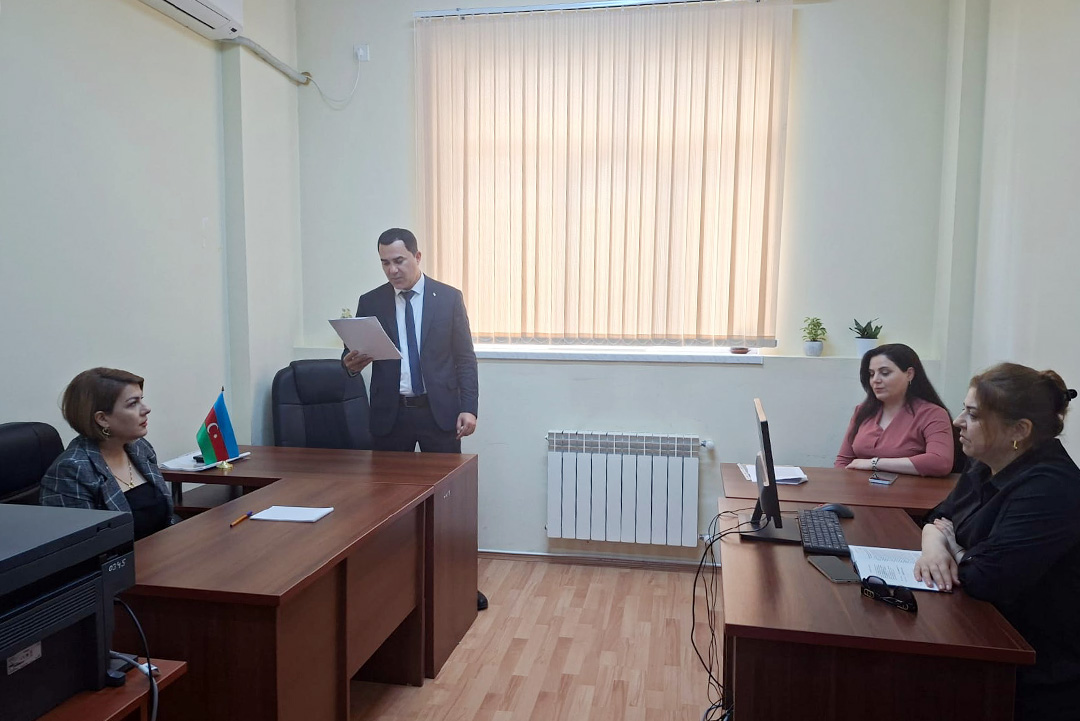
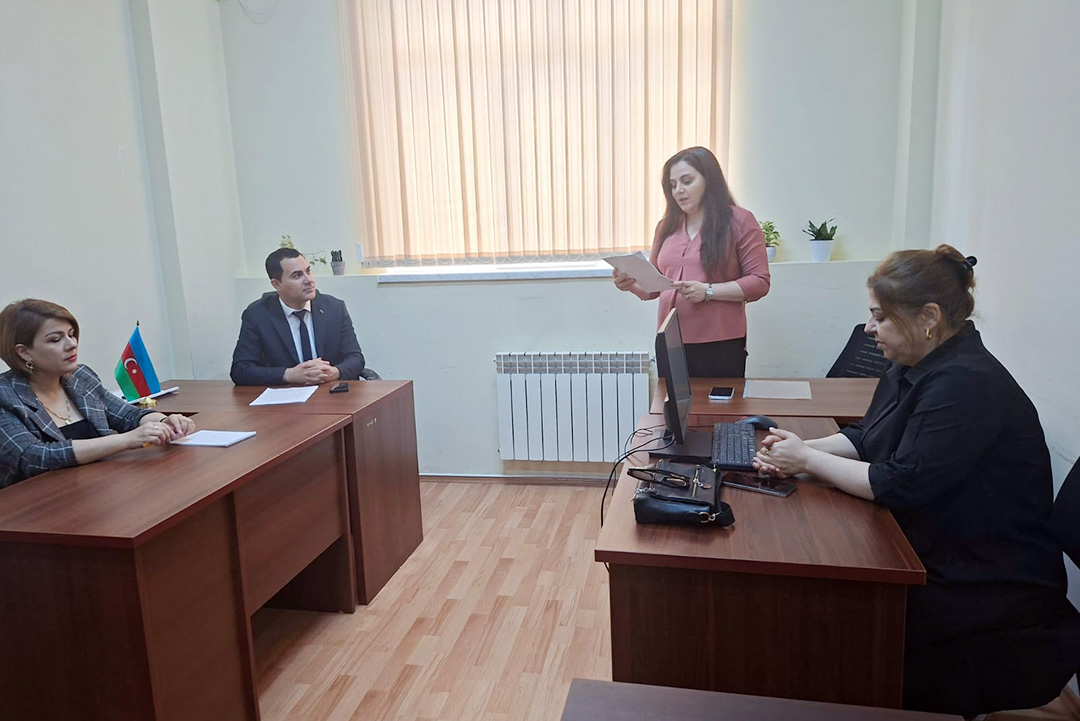
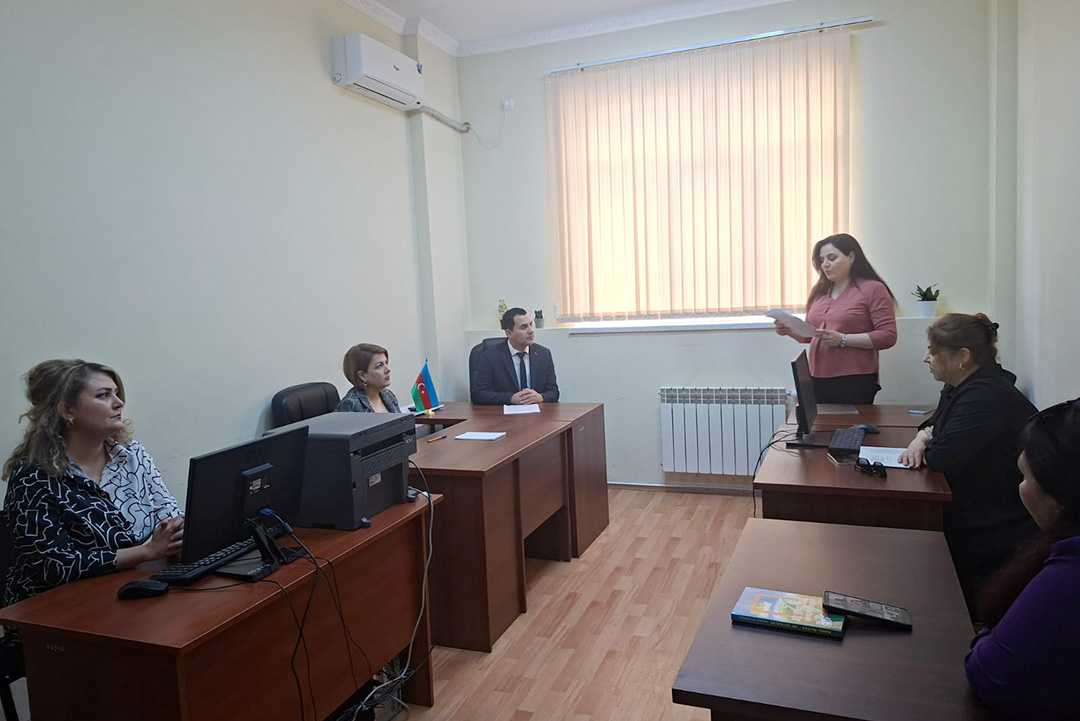
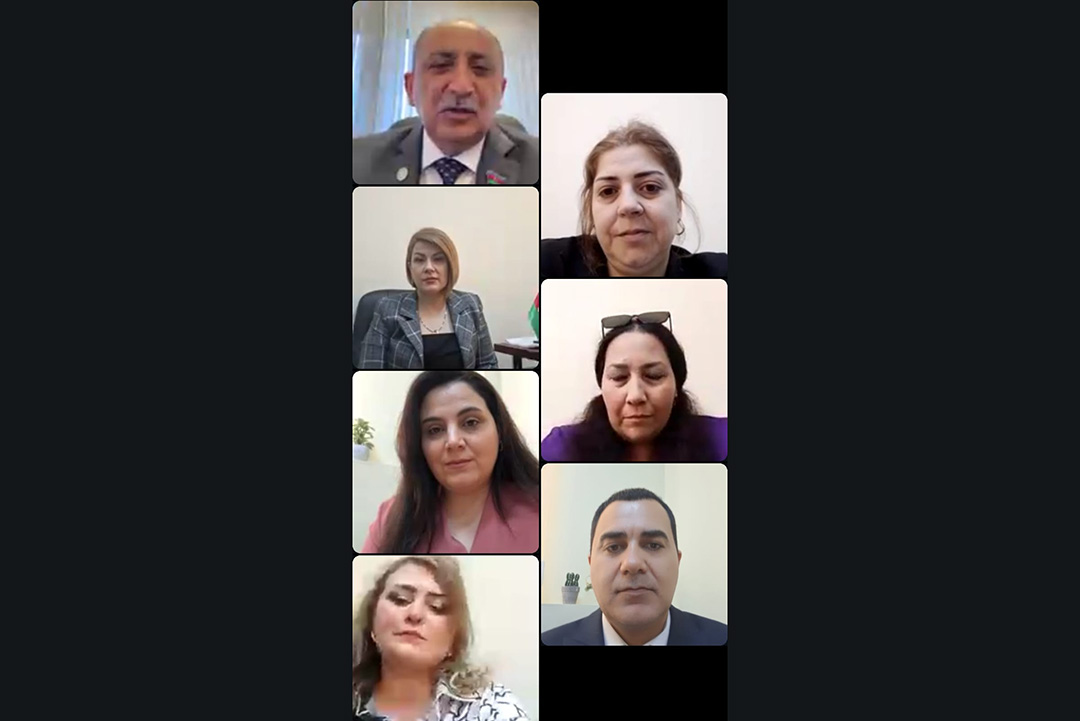
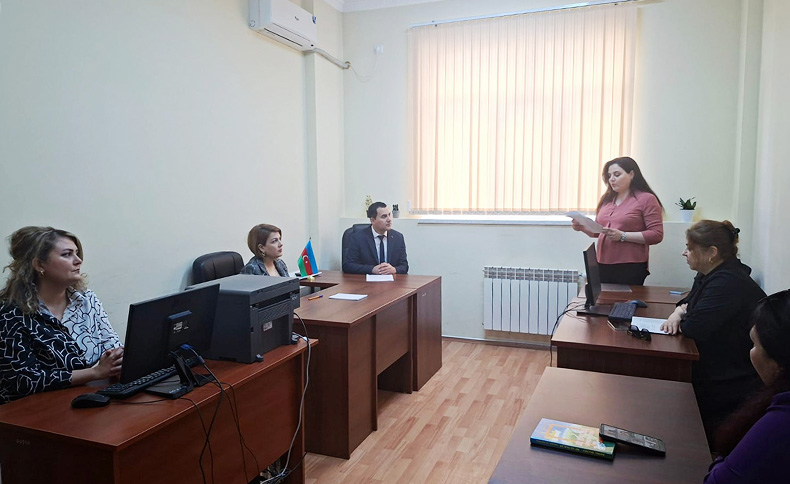
The Department of Western Azerbaijan Folklore at the Institute of Folklore of the Azerbaijan National Academy of Sciences (ANAS) held its next scientific seminar in a hybrid format. During the seminar PhD, Associate Professor Aposh Valiyev made a presentation titled “The Scientific and Theoretical Foundations of the Study of Western Azerbaijan Folklore”, PhD Nurlana Mammadova made report on the theme “A Linguo-Folkloristic Analysis of the Concept of Sacred Spaces (Shrines, Sacred Hearths, Mountains, Water and Trees) in the Toponyms of Western Azerbaijan”.
Opening the seminar, the leading researcher of the department Aposh Valiyev noted that the folklore of Western Azerbaijan constituted a rich cultural heritage formed in the historical Azerbaijani lands. He mentioned that the folklore reflected the historical memory, ethnic identity and spiritual values of the Azerbaijani people. Although a significant part of the material cultural heritage was destroyed as a result of the deportations and ethnic cleansing processes that took place during the twentieth century, oral folk literature has been preserved as one of the principal sources safeguarding the nation's historical memory. The presentation also highlighted the importance of collecting folklore materials, documenting them in audio and video formats, digitizing archival collections, classifying them according to international standards and introducing them to the global scholarly community.
The seminar continued with the presentation by PhD Nurlana Mammadova the entitled “A Linguo-Folkloristic Analysis of the Concept of Sacred Space in the Toponyms of Western Azerbaijan”. She mentioned that toponyms were important linguistic units that preserved a people’s historical past, ethnic composition, worldview and collective memory. Geographical names provide valuable information about the settlement history, economic activities and spiritual values of the communities that once inhabited a given territory. From this perspective, the place names of Western Azerbaijan were of particular significance as bearers of the ancient homeland and cultural heritage of Azerbaijani Turks.
PhD Nurlana Mammadova noted that the Tree Cult (Dendrolatry) and the myth of the World Tree, or Tree of Life, occupy a central place in the cosmogonic worldview of the Turkic peoples, symbolically connecting the underworld, humankind, and the heavens. Dendronymic toponyms in Western Azerbaijan, such as Single Tree, Twin Trees, Sacred Tree and Pilgrimage Tree, were presented as vivid examples of this tradition.
The presentations were followed by an extensive exchange of views, during which participants discussed the topics in depth and received answers to their questions.