
NEWS
Genre Characteristics of Hunter Folklore Discussed at the Institute of Folklore
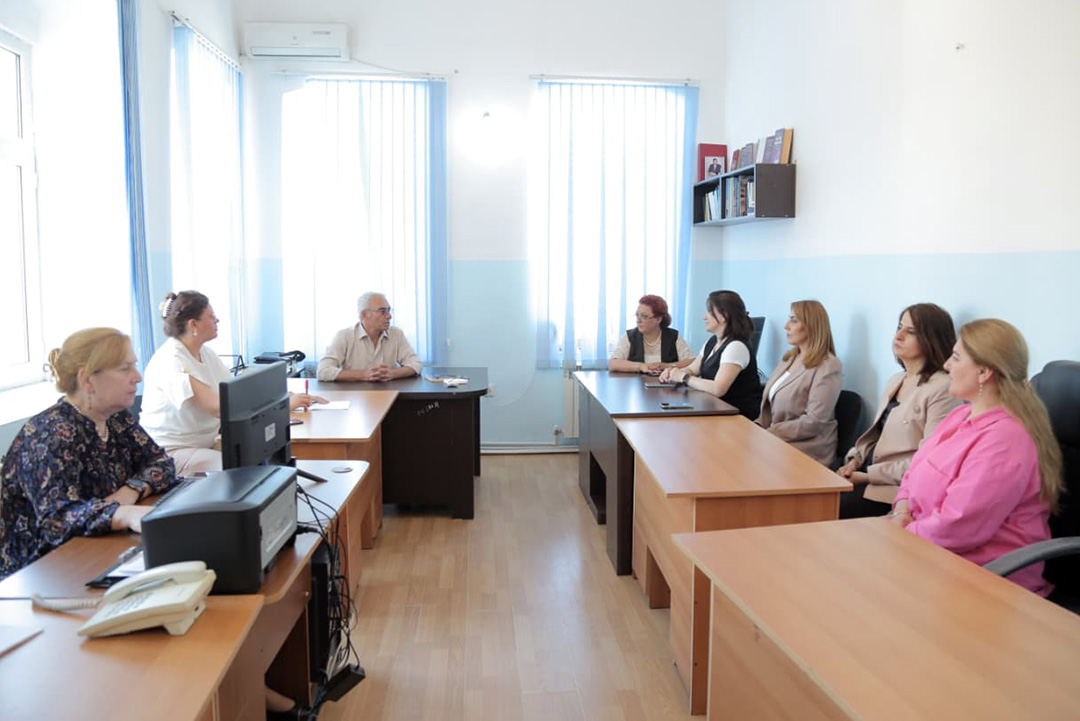
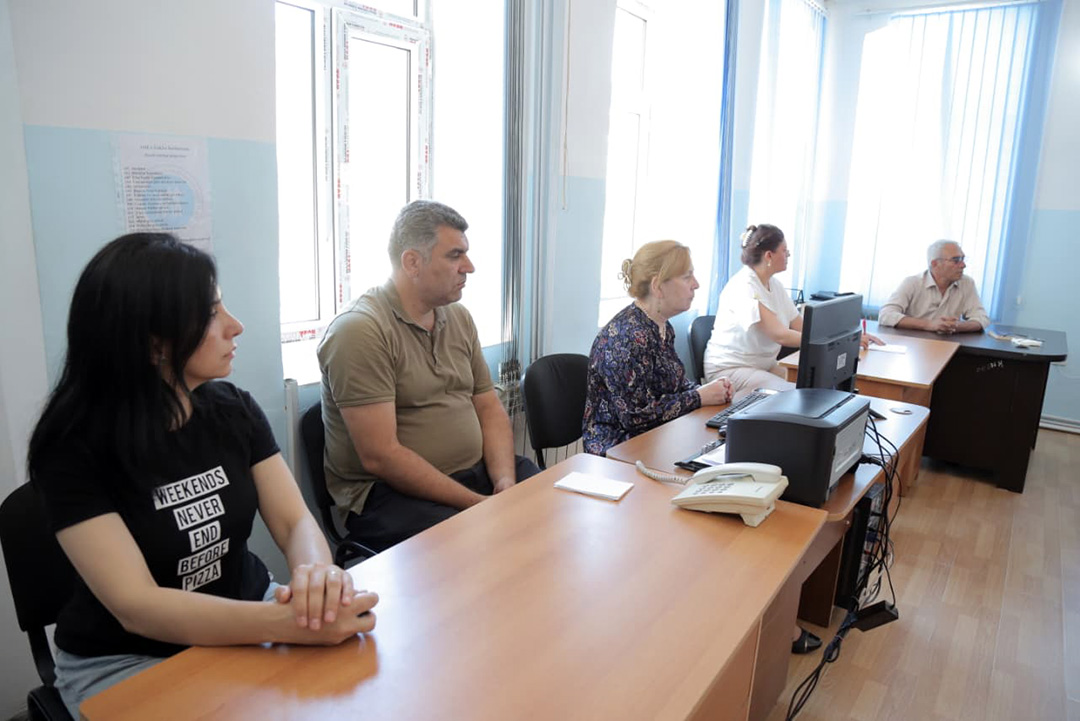
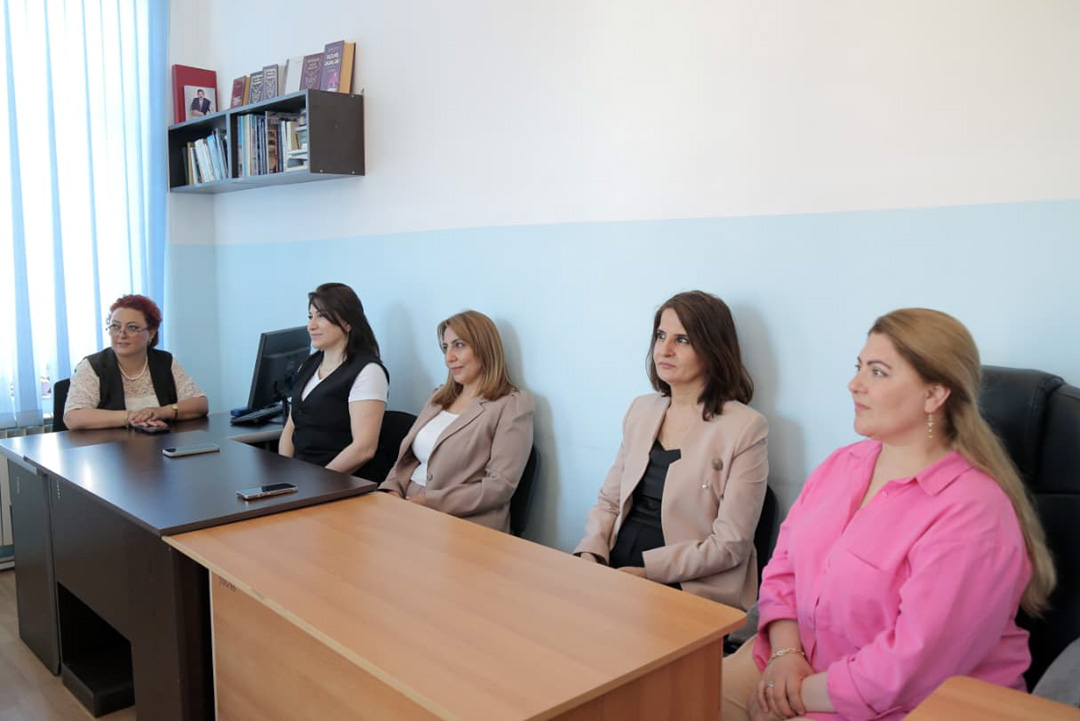
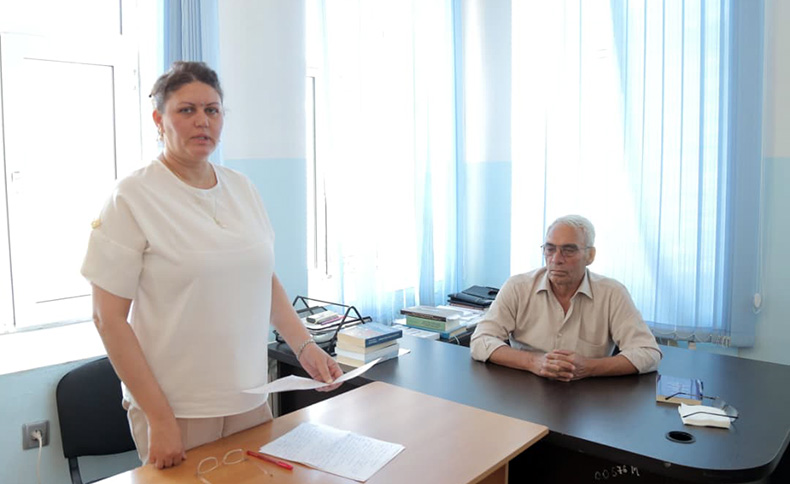
The next scientific seminar was held at the Department of Folklore Collection and Systematization of the Institute of Folklore of the Azerbaijan National Academy of Sciences (ANAS). In addition to the staff of the department, the researchers from the Department of Folklore of Turkic Peoples also participated in the seminar.
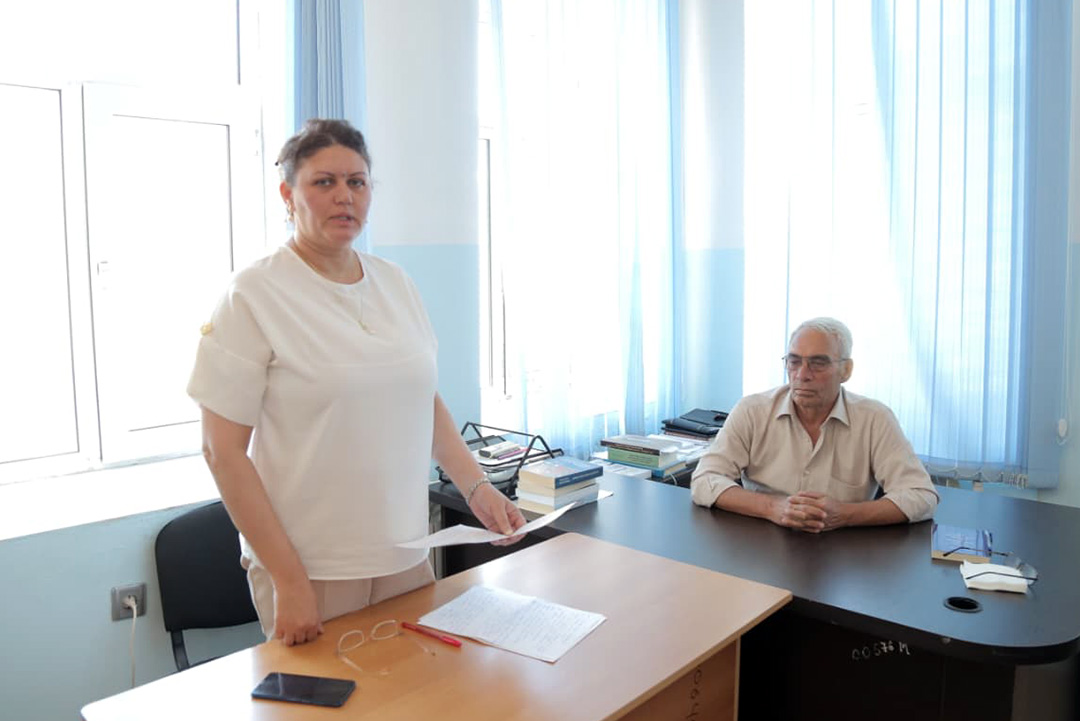
During the seminar PhD Aynur Jalilova, a leading researcher at the Institute, made a presentation titled “The Genre Characteristics of Hunter Folklore”. The presentation provided a comprehensive analysis of the place of the hunting phenomenon within the folklore system and emphasized that beliefs and concepts related to hunting continue to survive in various folklore genres among the Azerbaijani and other Turkic peoples. It was noted that hunter folklore refers to folklore texts containing hunting motifs, hunting plots and elements reflecting the hunting worldview. These motifs appear in different forms across proverbs, beliefs, myths, legends, folk narratives, epics, anecdotes and other folklore genres.
The speaker first addressed hunting beliefs and archaic concepts associated with hunting. She discussed hunting taboos, the notion of a successful hunt, beliefs concerning the spirits or supernatural guardians of the hunt and the forest, as well as the transformations these mythological figures had undergone over time within folklore texts.
The seminar also focused on the genre-related issues of hunter folklore. Participants mentioned that defining the boundaries between genres such as memoirs, legends, folk tales, and oral narratives, and classifying them accurately on the basis of field research, remains one of the key challenges facing contemporary folklore studies.
During the discussion the participants exchanged views extensively on the topic and presented scholarly suggestions and recommendations aimed at more accurately identifying the genre characteristics of hunter folklore texts. It was noted that the research conducted by the presenter in this field was of considerable importance for folklore studies and the need to continue these studies in a more systematic manner was particularly mentioned.