
NEWS
From the Traditional “Khinayakhdi” to the “Henna Party”: The Digital Transformation of Tradition Discussed at an Academic Seminar
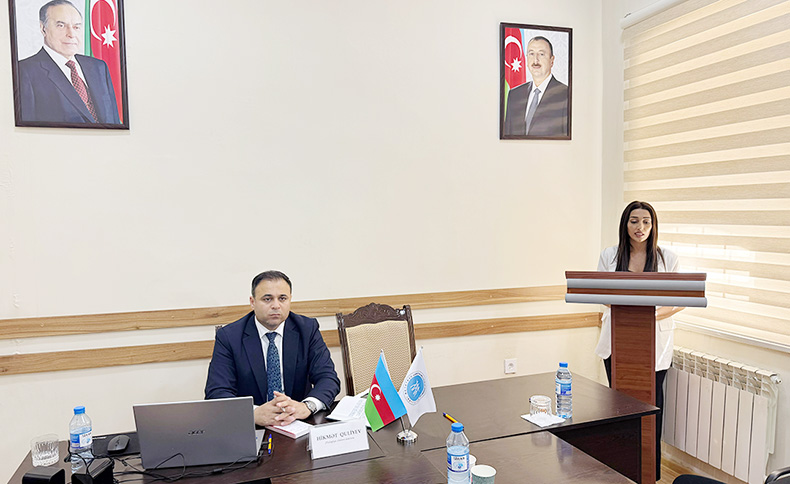
The Department of Digital Folklore and Artificial Intelligence of the Institute of Folklore of the Azerbaijan National Academy of Sciences (ANAS) held an academic seminar in a hybrid format. In addition to the researchers of the Institute, doctoral candidates and dissertation researchers also participated in the seminar.
Opening the event, Director of the Institute of Folklore Hikmat Guliyev spoke about the growing impact of digital technologies on various fields of the humanities, particularly on folklore studies. He noted that the study of folklore phenomena emerging and circulating in the online environment was of considerable scholarly importance for understanding the mechanisms through which traditional folklore was transformed, the new functional characteristics it acquired in contemporary communicative environments and the modern manifestations of cultural memory.
Hikmat Guliyev mentioned that folklore was not only preserved in the digital environment but also acquires new semantic meanings, modes of presentation, and communicative possibilities.
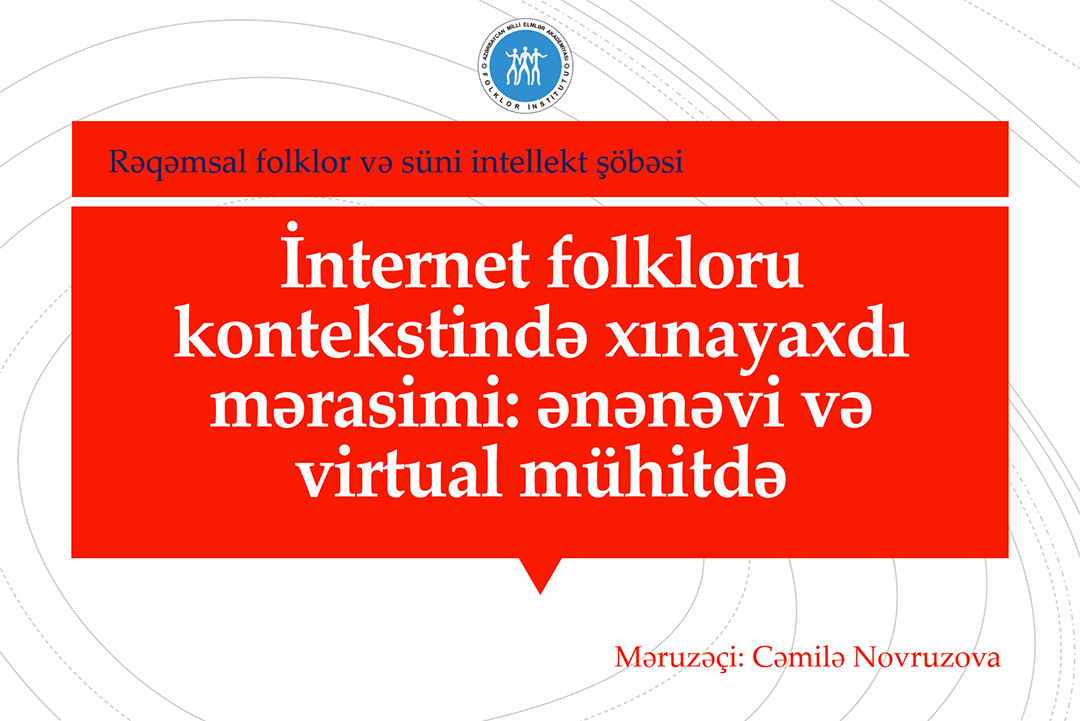
During the seminar, Jamila Novruzova, junior researcher of the Department, made a report entitled “The Khinayakhdi Ceremony in the Context of Internet Folklore: Traditional and Virtual Environments”. The impact of modern information technologies and the internet on the forms through which folklore was preserved and transmitted. It was noted that internet folklore had emerged as a contemporary continuation of traditional folklore, adapting to new communicative conditions. The speaker further noted that digital communication platforms enable folklore materials to reach wider audiences while simultaneously acquiring new forms and meanings.
In conclusion, it was noted that the traditional Khinayakhdi ceremony and the contemporary “Henna Party” should not be regarded as opposing phenomena. Rather, the latter may be viewed as a continuation and transformed manifestation of the traditional Khinayakhdi within a new socio-cultural context.
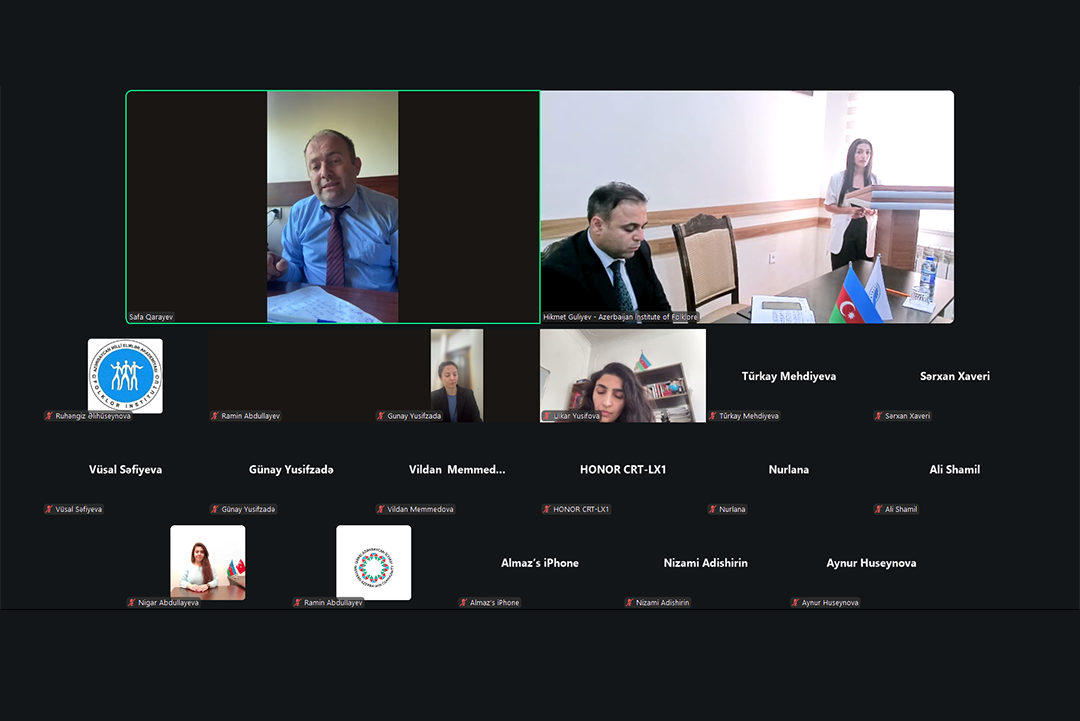
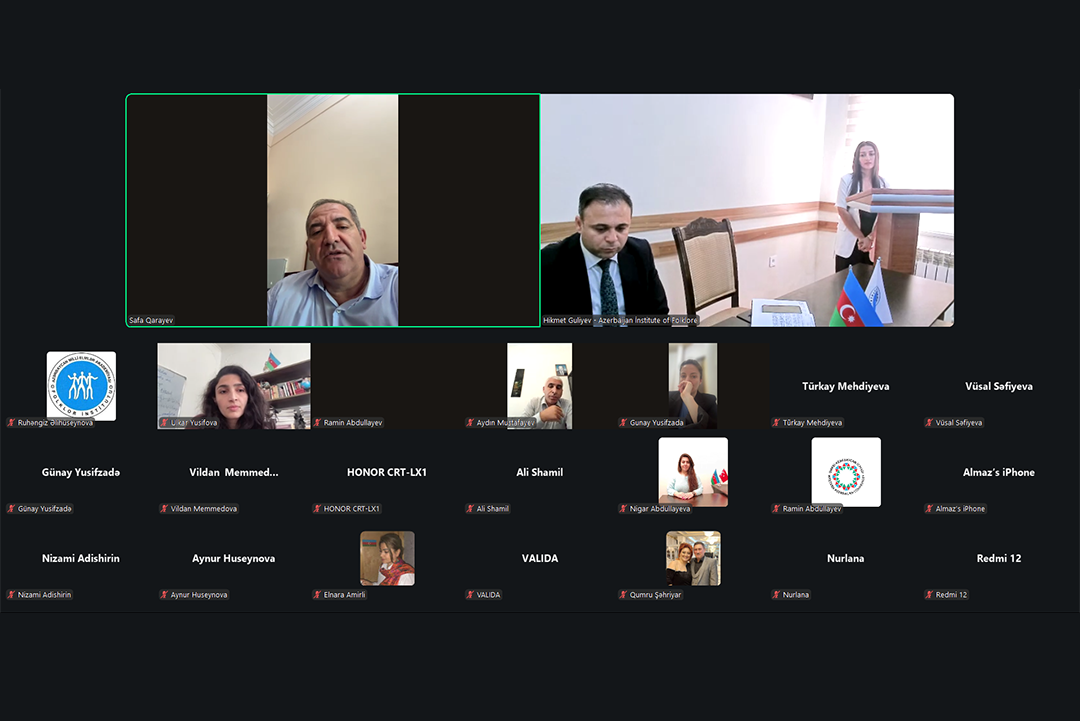
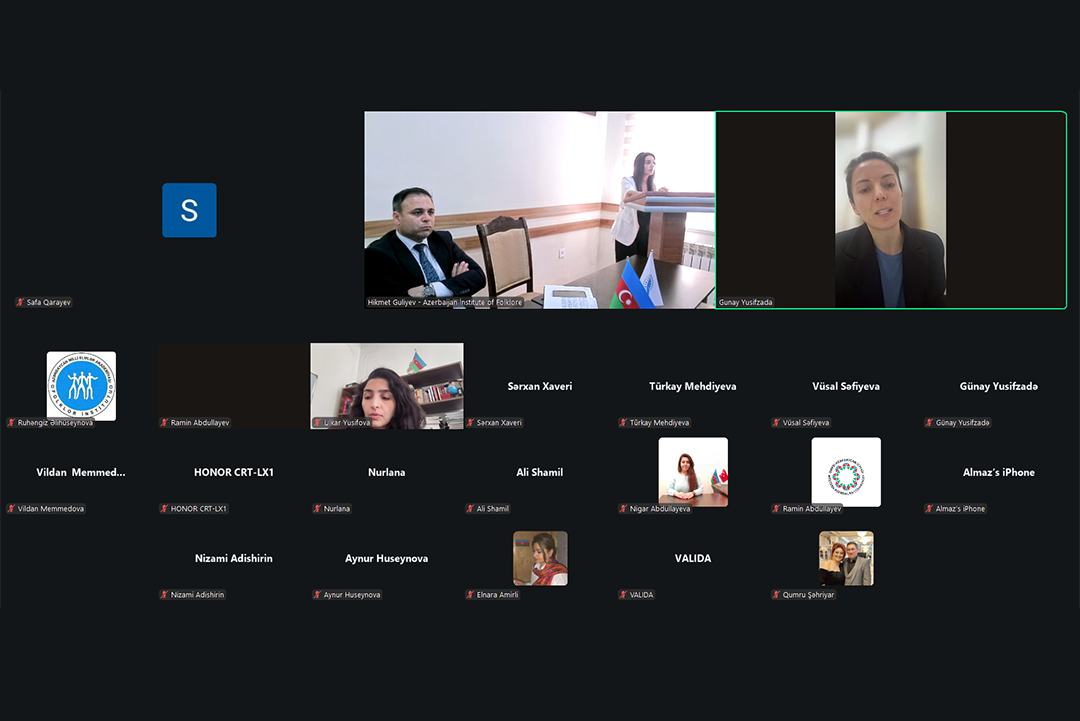
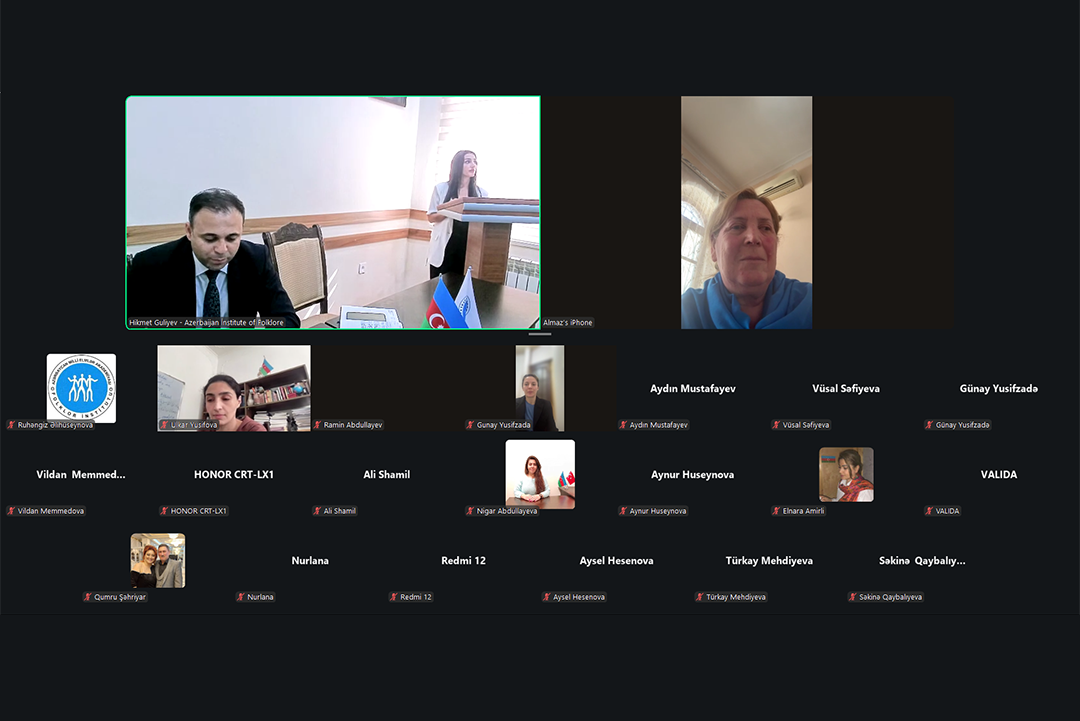
The presentation was followed by an extensive discussion. Contributions were made by Doctor of Sciences in Philology Safa Garayev, Doctor of Sciences in Philology Sarkhan Khaveri, Professor Almaz Hasangizi, Afaq Mustafayeva, Ulkar Yusifova and Gunay Yusifzade, who shared their views and scholarly observations on the topic.
Participants also offered various recommendations and comments regarding the presentation, mentioning that the subject opened broad perspectives for future research in the fields of folklore studies and digital humanities.
.jpg)
.jpg)