
NEWS
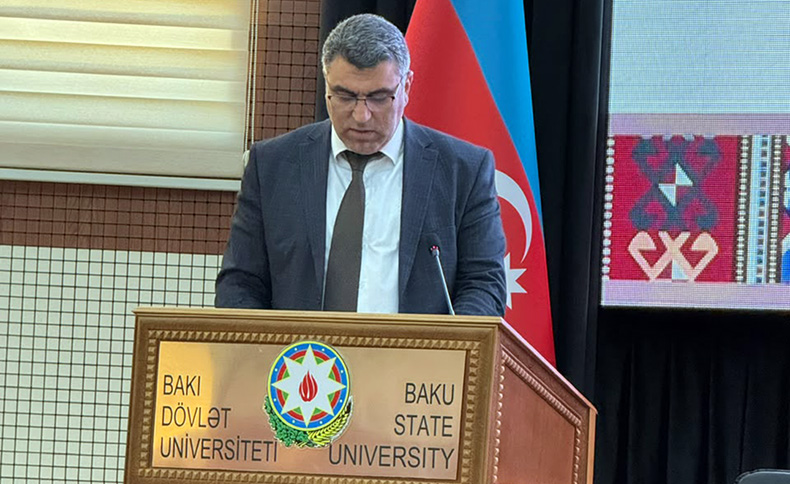
The researcher of the Institute of Folklore made presentation about the Preservation of Western Azerbaijan’s Heritage at the International Scientific Conference
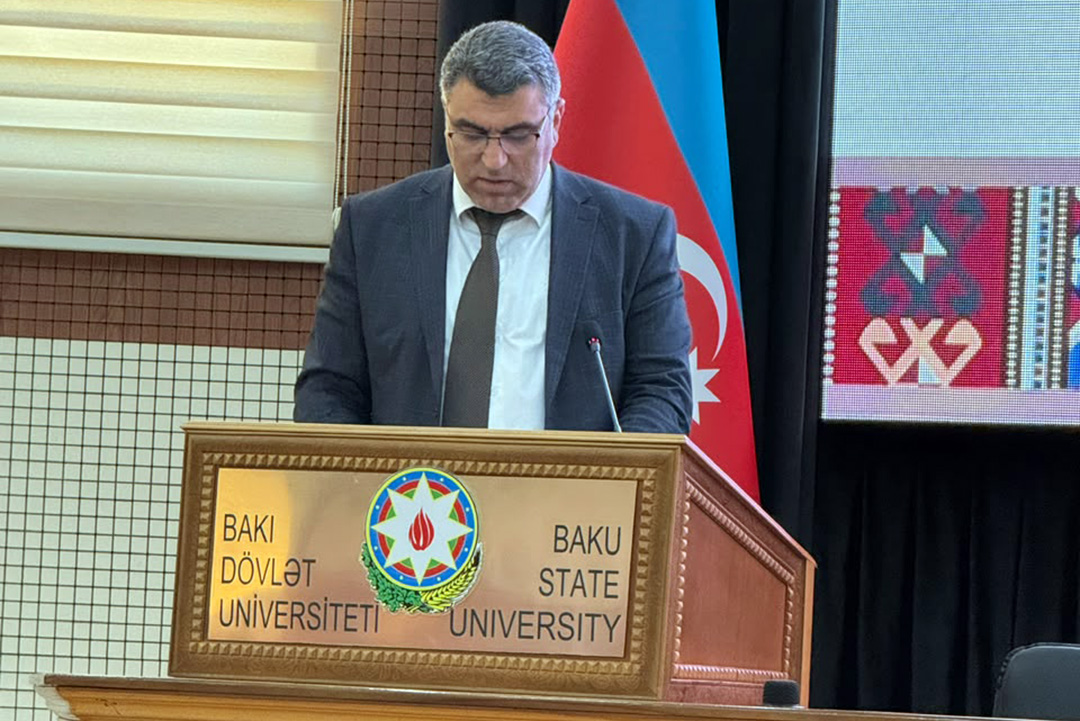
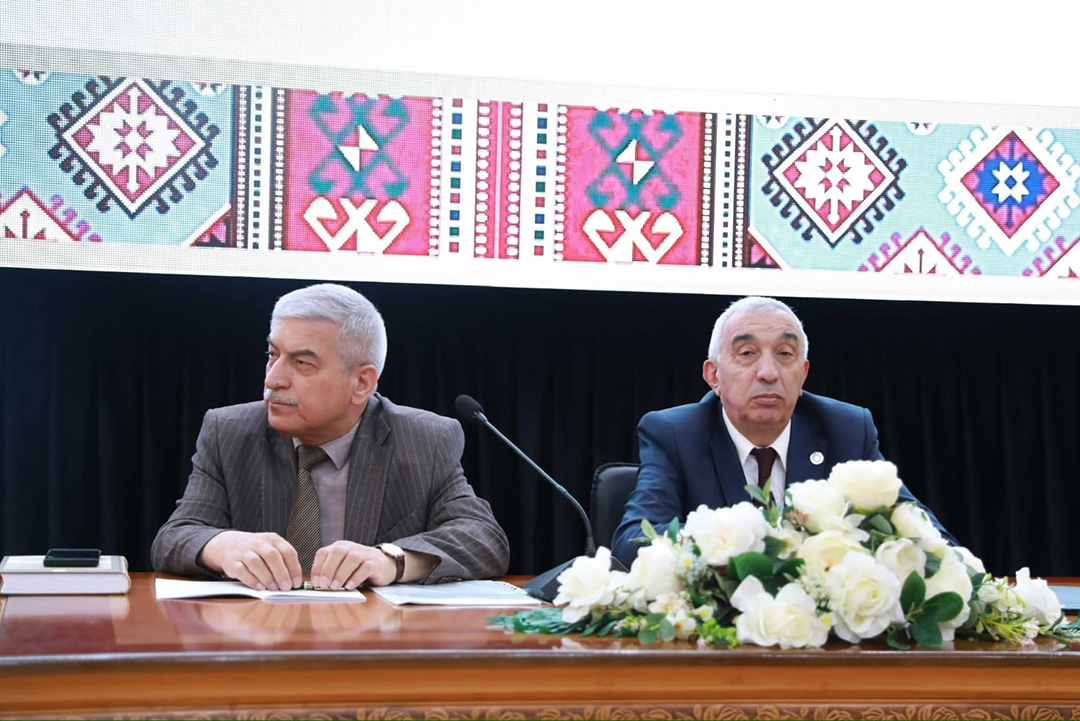
On the 4th of June PhD, Associate Professor Ilkin Rustamzade, Head of the Department of Folklore Collection and Systematization at the Institute of Folklore, made a presentation entitled “The Folklore of Western Azerbaijan: The Disintegration of the Ethnographic Environment in the Context of Historical Processes” at the 1st International Scientific Conference on “Return to Western Azerbaijan: As a New Stage of the National Idea” jointly organized by Baku State University and the Western Azerbaijan Community.
In his presentation, the researcher mentioned that the forced displacement of Western Azerbaijanis from their ancestral homeland was not limited to the periods of 1948–1952 and 1988–1991, as it was often stated in the media. Rather, the process began in parallel with the resettlement of Armenians to the Caucasus and continued for more than 150 years. He noted that in the twentieth century this process became increasingly widespread, with the events of 1905 and 1918, followed by the deportations of 1948–1952 and 1988–1991, ultimately resulting in the complete removal of the Azerbaijani population from the region.
The speaker further explained that no unified principle was followed during the resettlement of deported Western Azerbaijanis. Instead, people were dispersed across different parts of Azerbaijan, with residents of the same village often relocated to different districts. In many cases, even members of the same family were separated and settled in different regions.
According to the researcher, the failure to take into account the demographic composition of the population and the ethnographic characteristics of the receiving regions, together with the resettlement of people from different villages into the same localities, led to the disintegration of the traditional folklore environments.
In conclusion, the author noted that folklore developed and flourished within its regional cultural environment. He mentioned that the disappearance of many traditional customs and the decline of festive practices among Western Azerbaijanis today were among the most evident consequences of the destruction of the region’s traditional folklore environment.