
NEWS
Issues of Ethnic Identity and Number Symbolism in Folklore Discussed at the Scientific Seminar of the Department Mythology
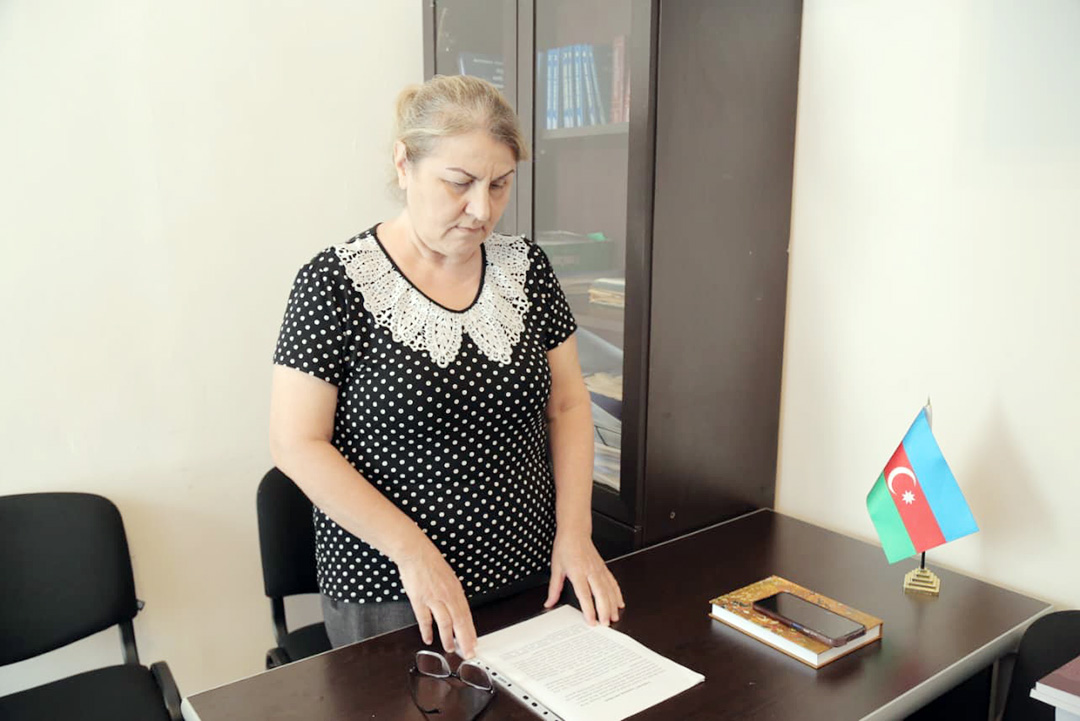
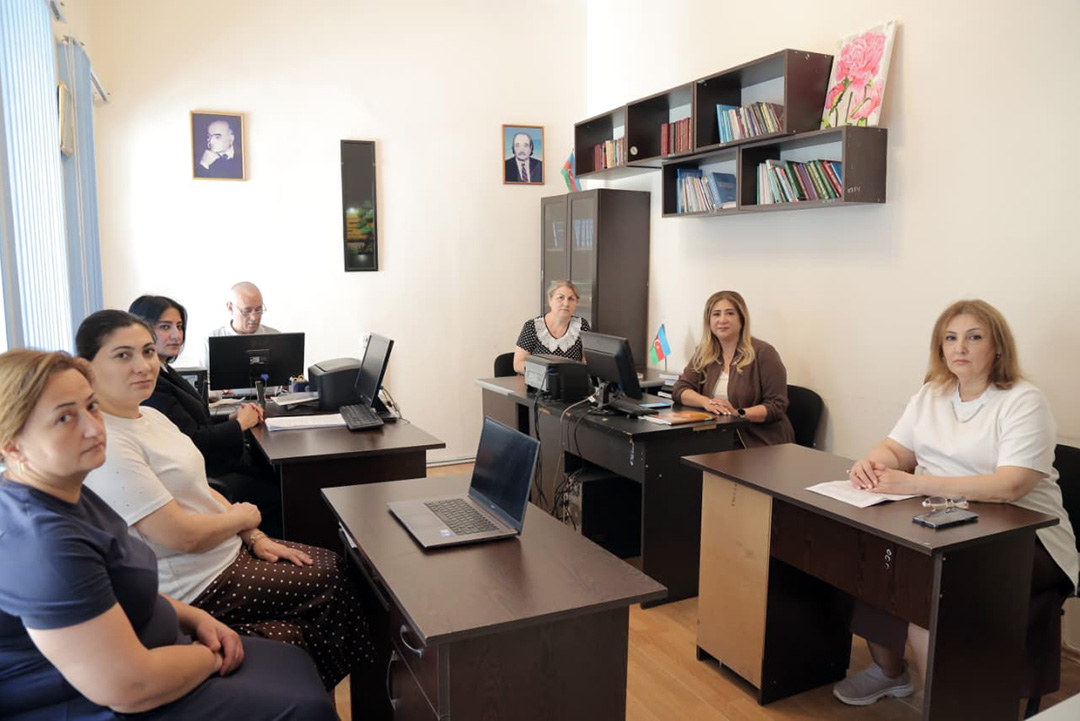
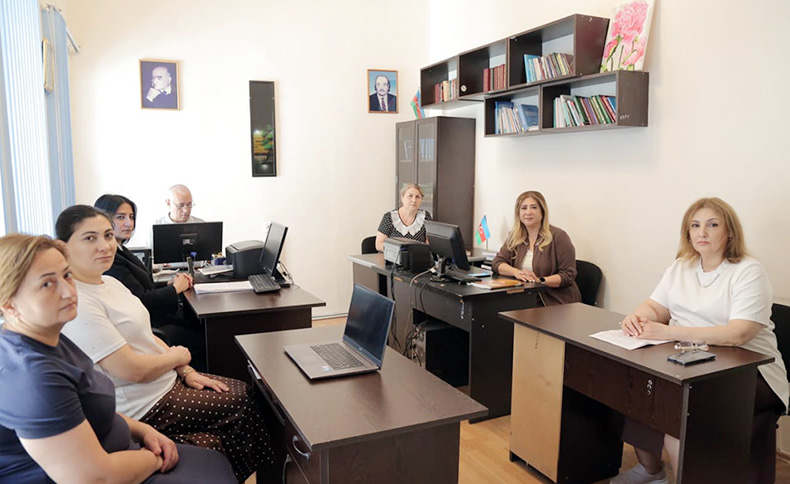
The regular scientific seminar was held at the Department of Mythology of the Institute of Folklore of the Azerbaijan National Academy of Sciences (ANAS). During the seminar the report entitled “We and Others” Relationship Model in Folklore” was presented by Fatima Baghirova, a research fellow of the Department of Mythology.
In her presentation the speaker noted that every nation possessed its own unique culture, traditions, customs and worldview. The primary cultural memory and spiritual values of the ethnic group were preserved within folk literature, therefore, the study of folklore heritage played an important role in exploring the origins, ethnic roots and cultural characteristics of different peoples.
In the presentation it was mentioned that although human beings did not differ biologically, as representatives of different ethnic groups they were distinguished by diverse cultures, geographical environments, racial backgrounds and social characteristics. Particular attention was given to the interrelationship between mythological and historical consciousness in folklore texts.
In conclusion, the speaker noted that the national characteristics of a people emerge in folklore as ethnic markers, forming the conceptual model.
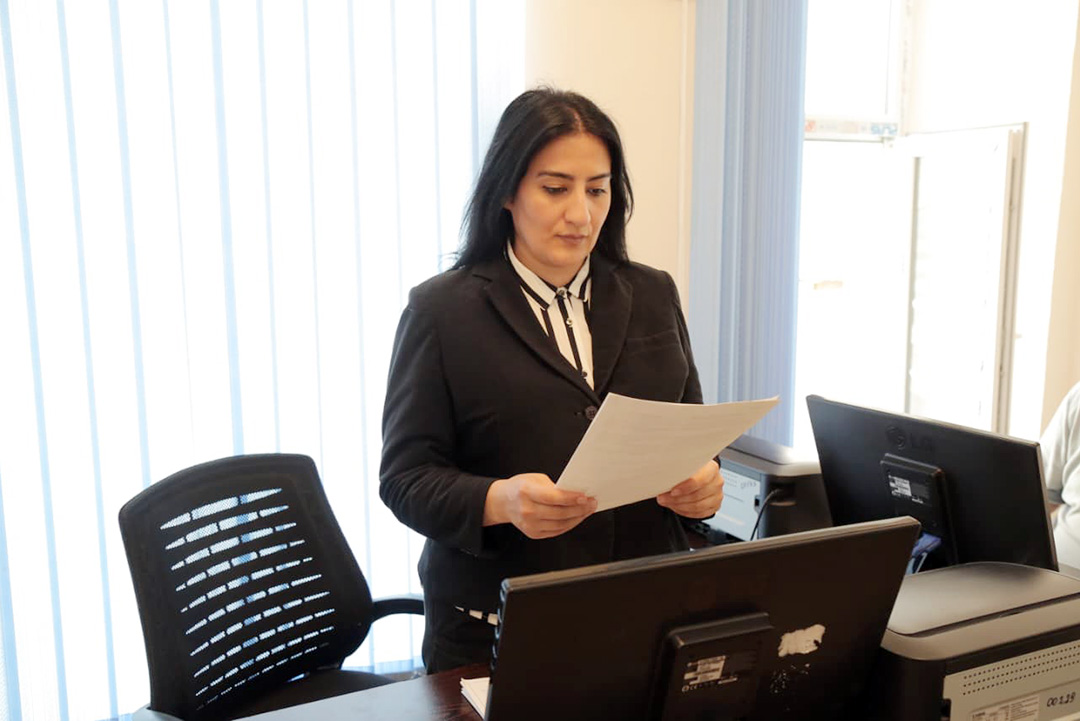
The seminar continued with a presentation by Matanaat Yagubgizi, leading research fellow of the Department of Mythology and PhD in Philology, entitled “The Symbolism of the Number Seven in Folklore”.
The speaker first provided an overview of symbols in general and then focused on numerical symbolism, paying particular attention to the place of the number seven in folklore and mythological thought.
In the concluding remarks, it was mentioned that information provided by modern technologies also confirmed the universal character of the number seven. It was noted that this number occupied a special place as one of the most significant numerical symbols in the cultures of many peoples around the world.
The presentations attracted considerable interest from the seminar participants and extensive discussions were held on the topics presented.