
NEWS
Theoretical and Methodological Foundations of Urban Folklore Research Discussed within the Framework of the “Year of Urban Planning and Architecture”
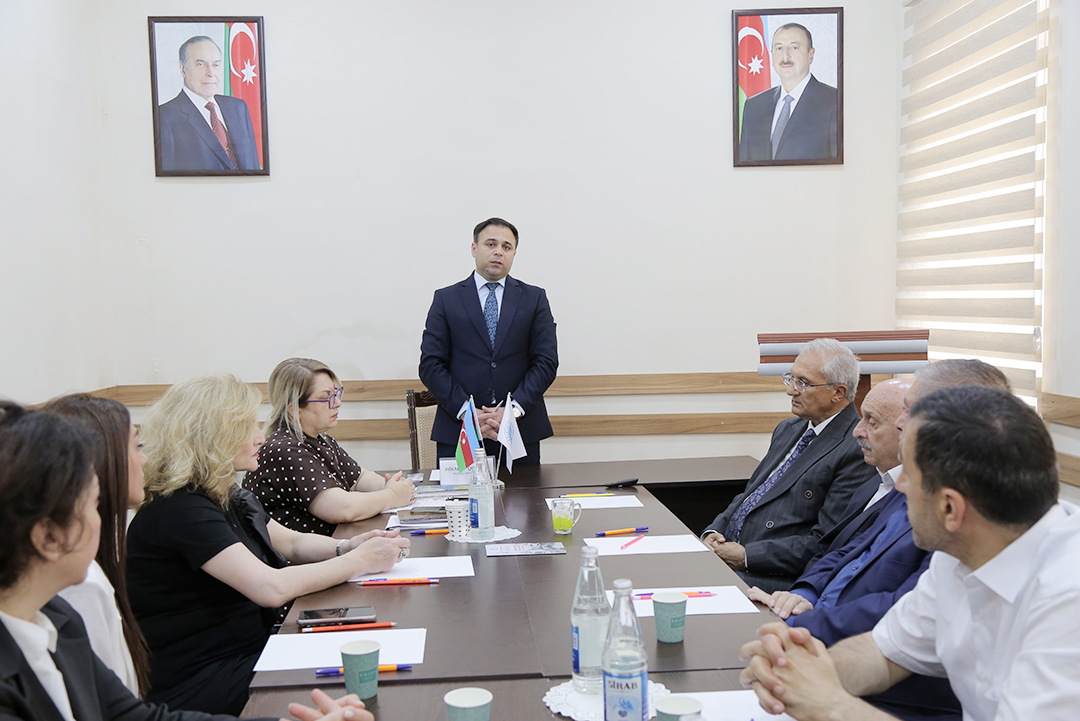
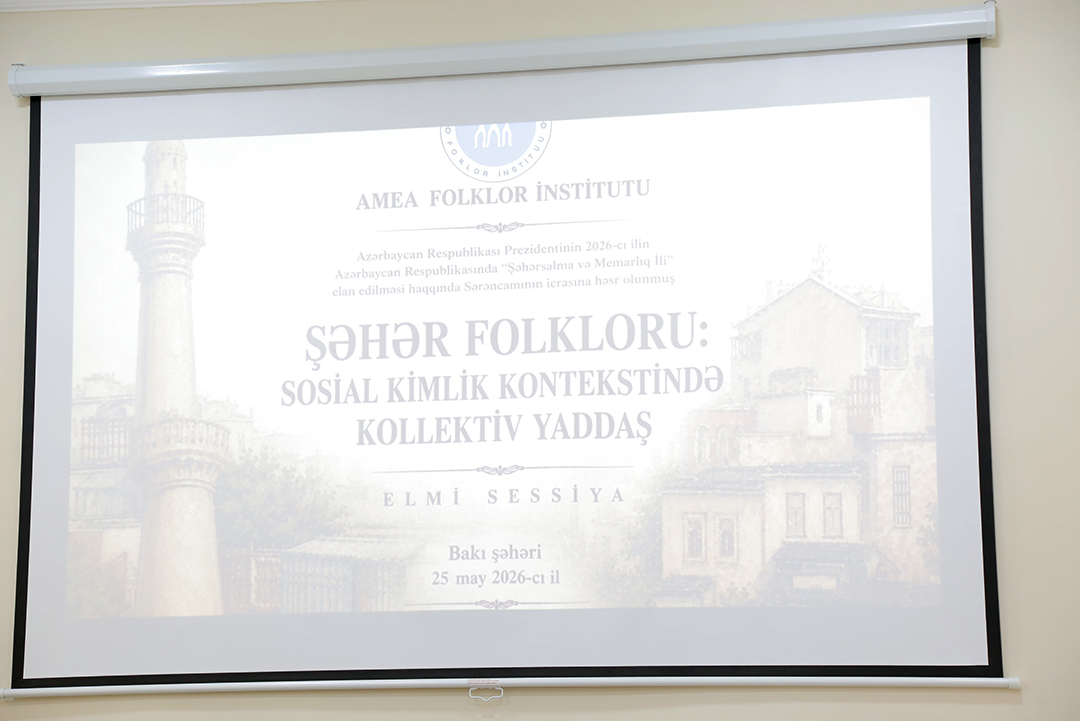
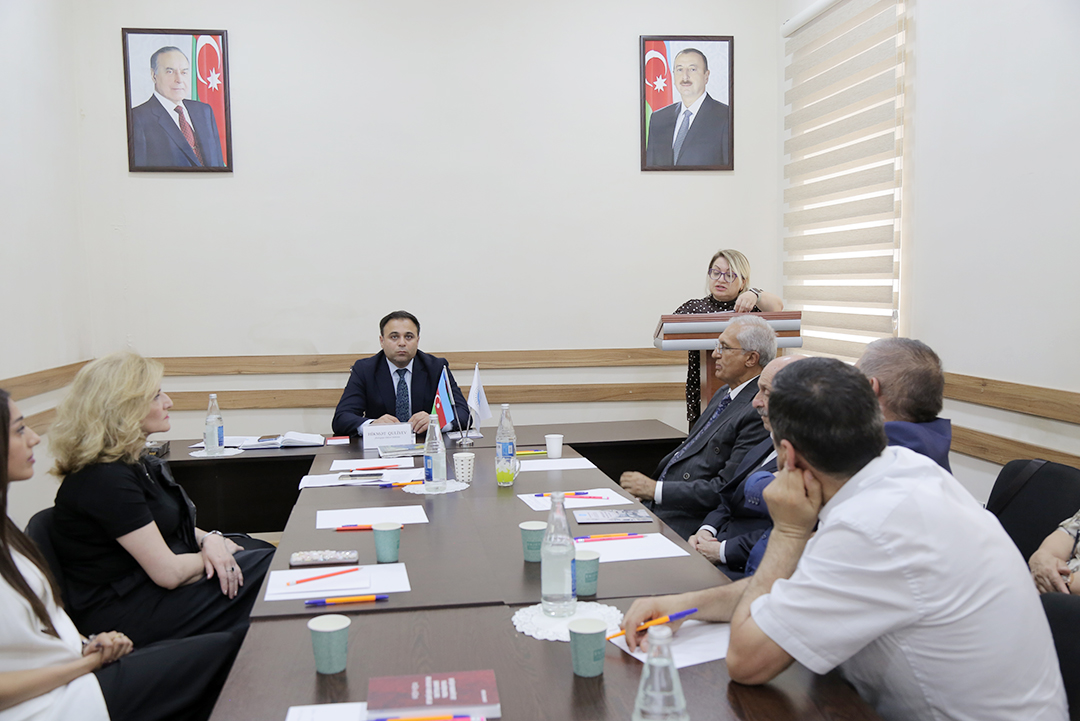
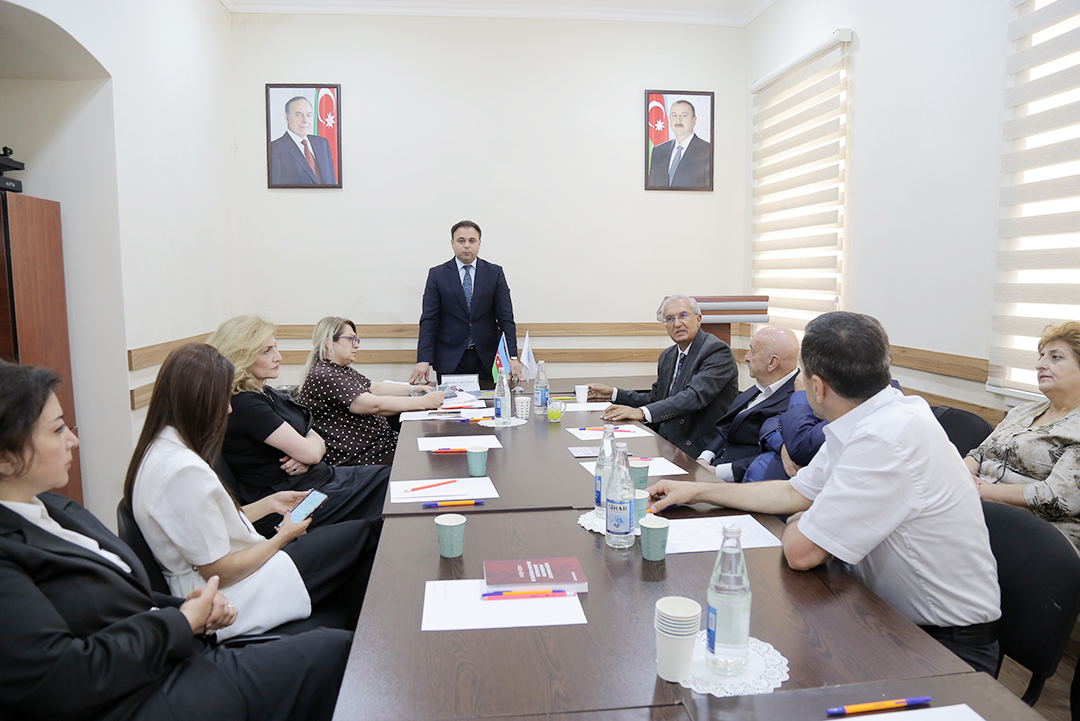
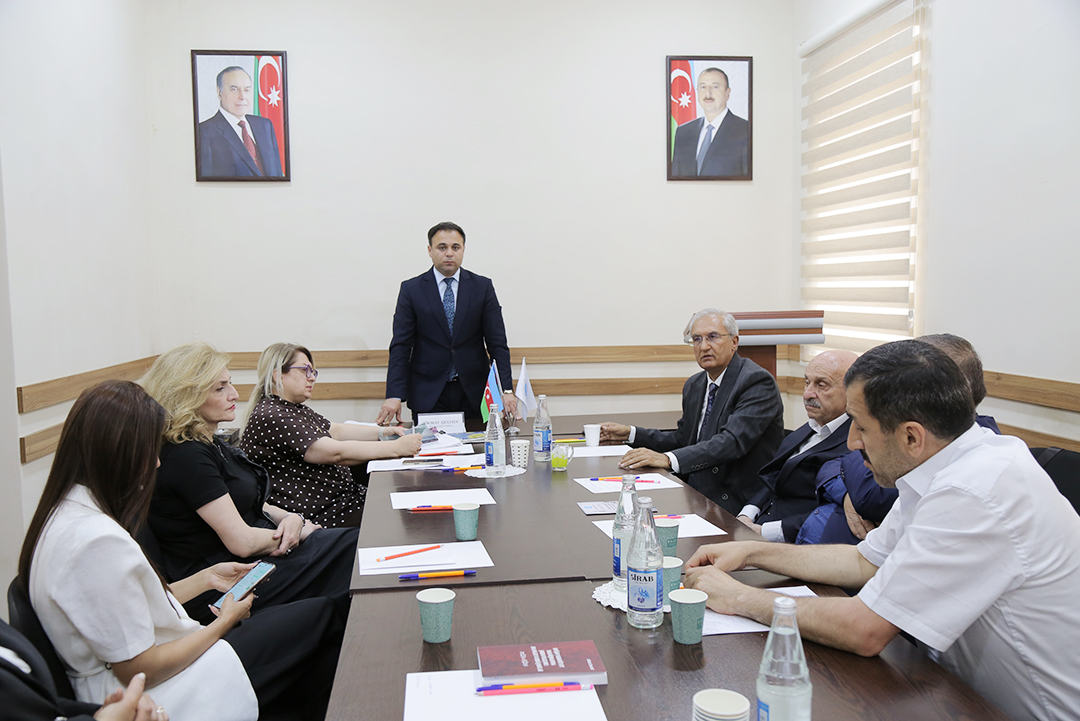
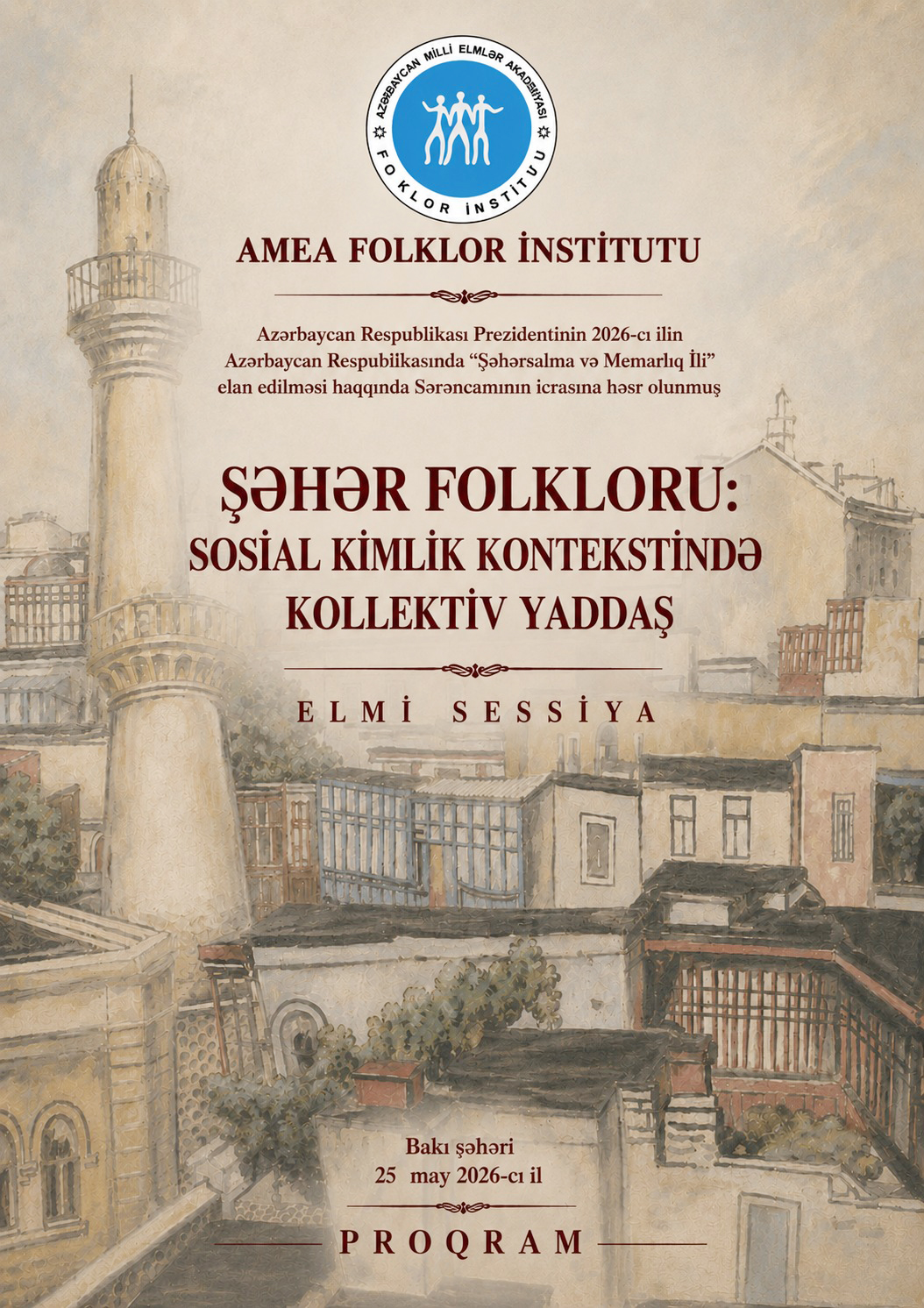
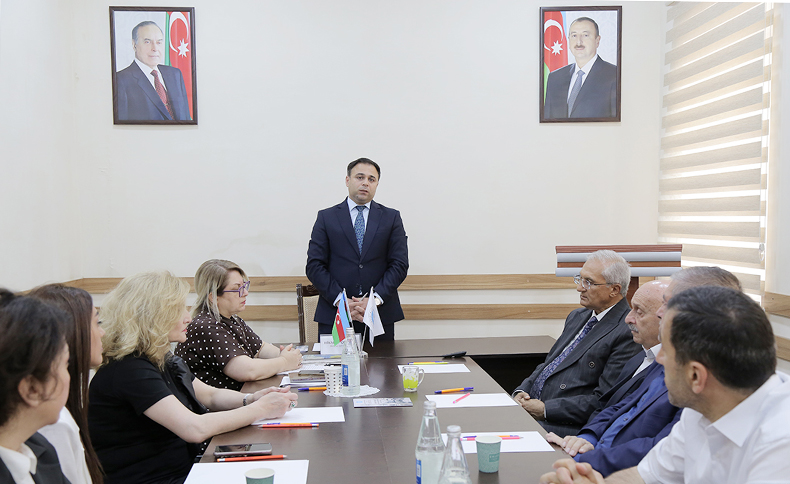
The scientific session entitled “Urban Folklore: Collective Memory in the Context of Social Identity” was held at the Institute of Folklore of the Azerbaijan National Academy of Sciences (ANAS), dedicated to the implementation of the Presidential Decree declaring 2026 as the “Year of Urban Planning and Architecture” in Azerbaijan.
Opening the event Director of the ANAS Institute of Folklore, Doctor of Sciences in Philology Hikmat Guliyev, spoke about the significance of the Presidential Decree proclaiming 2026 the “Year of Urban Planning and Architecture”. He noted that the large-scale reconstruction process carried out after the 44-Day Patriotic War, the Great Return concept and the restoration projects implemented in the liberated territories constitute one of the country key strategic development priorities.
The director mentioned that issues of urban planning and architecture in the modern era extend beyond construction and urbanization, also influencing collective memory, cultural identity, and systems of social relations. From this perspective, the study of urban environments through the lens of the humanities was of particular importance.
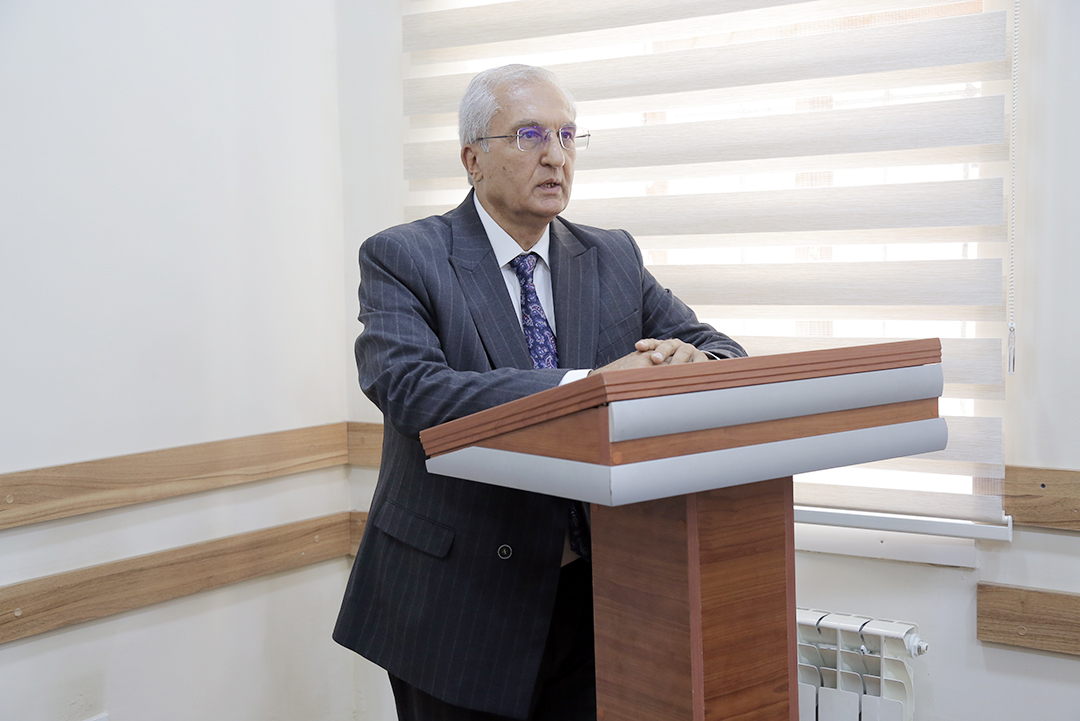
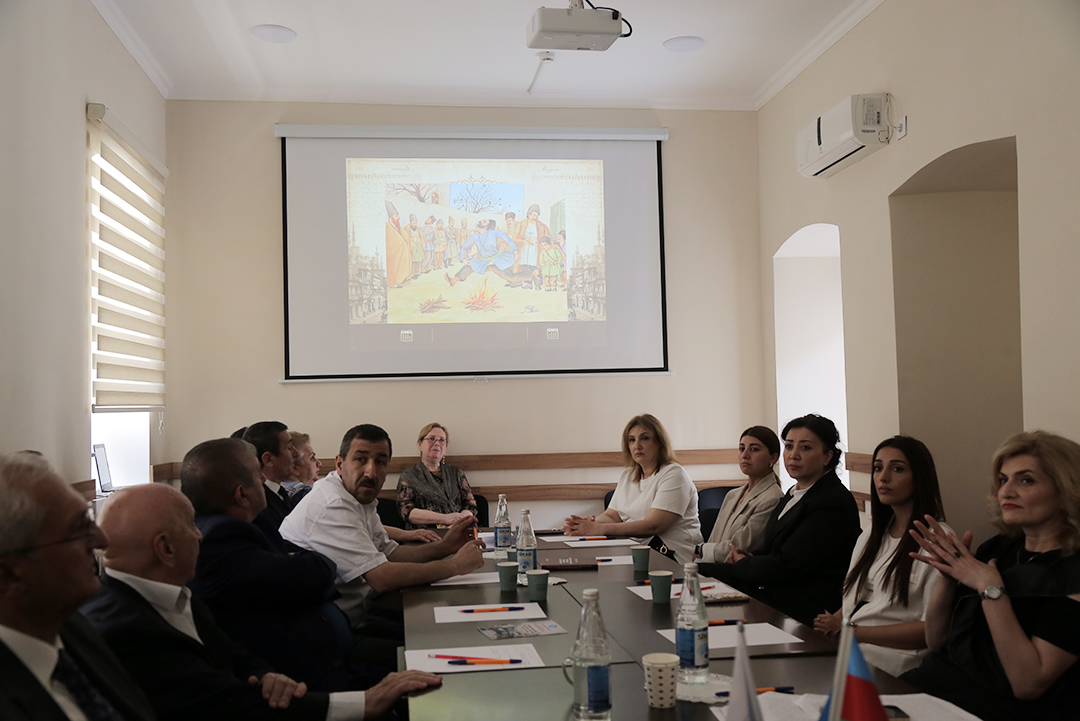
Then Hikmat Guliyev made a presentation entitled “Urban Folklore in the Context of Socio-Cultural Transformation and Communicative Dynamics”. In his presentation, he noted that urban folklore had not yet been systematically studied in Azerbaijan, as folklore research had traditionally focused primarily on rural environments. He argued that urban folklore should be examined as a distinct socio-cultural and communicative sphere and analyzed within the broader contexts of urbanization, migration, and industrialization.
Concluding his remarks, the scholar noted that the study of urban folklore, internet folklore and urban culture should be considered among the priority directions of future folklore research and mentioned the importance of new publications and scientific studies in these fields.
Professor Fuzuli Bayat, Head of the Department of Folklore Theory presented the report entitled “Urban Folklore within the Paradigm of Polycentric Culture”. His presentation analyzed the mechanisms of urban folklore formation, the processes of urbanization, the impact of industrial revolutions on socio-cultural environments and new folklore models emerging from interactions among diverse ethnic and cultural groups.
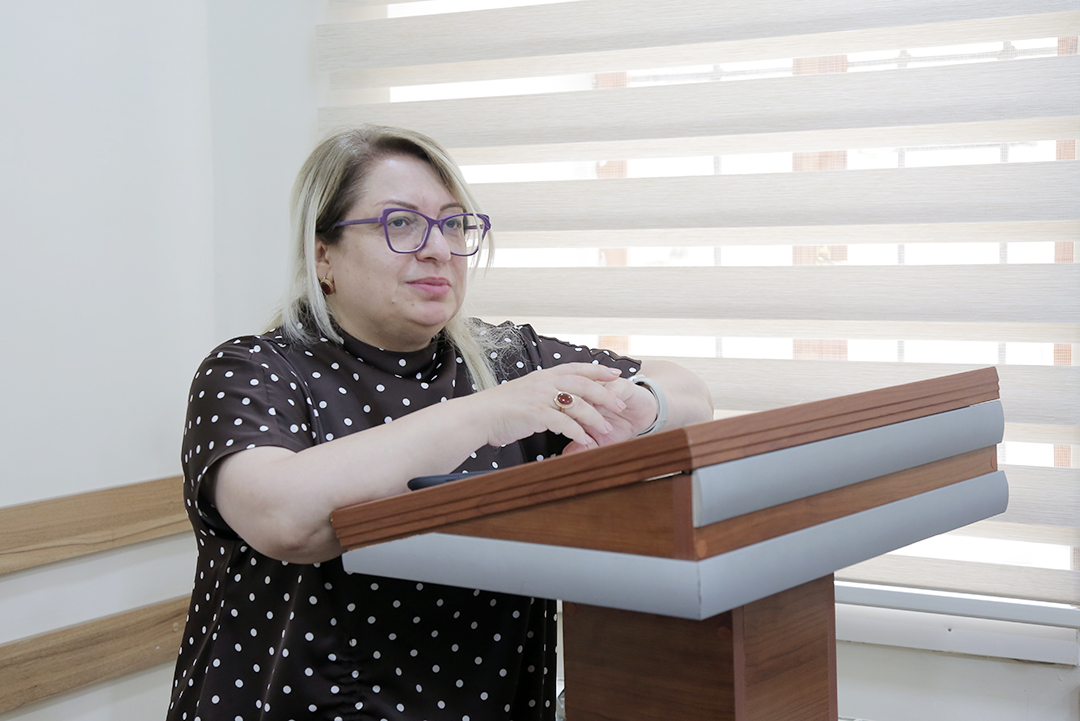
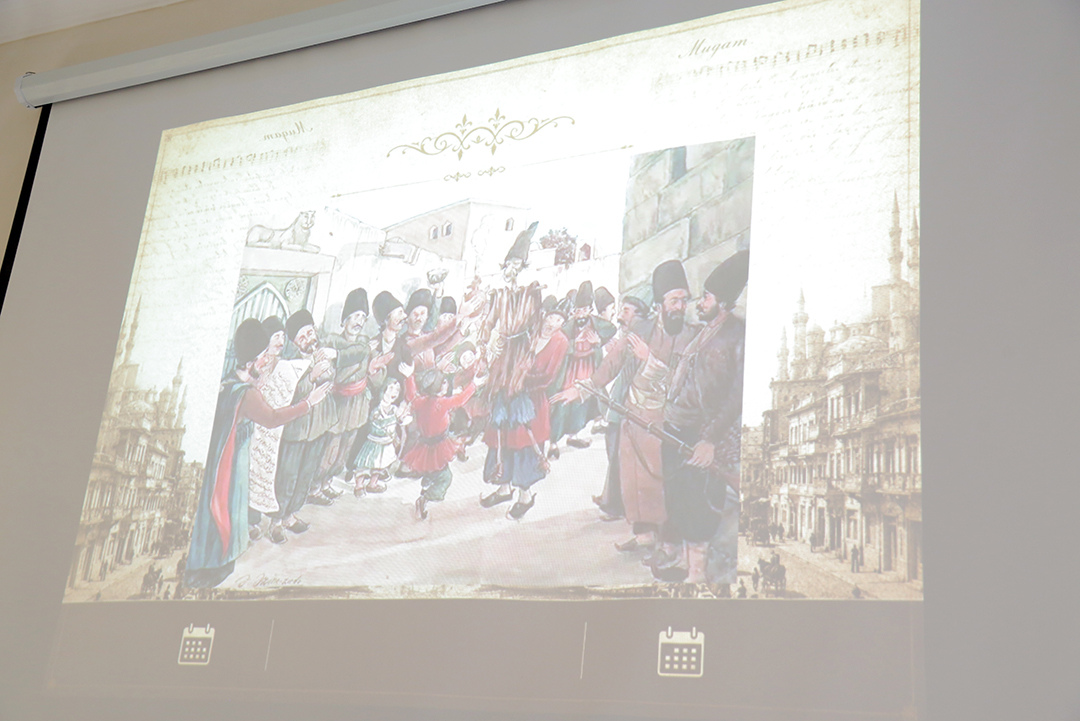
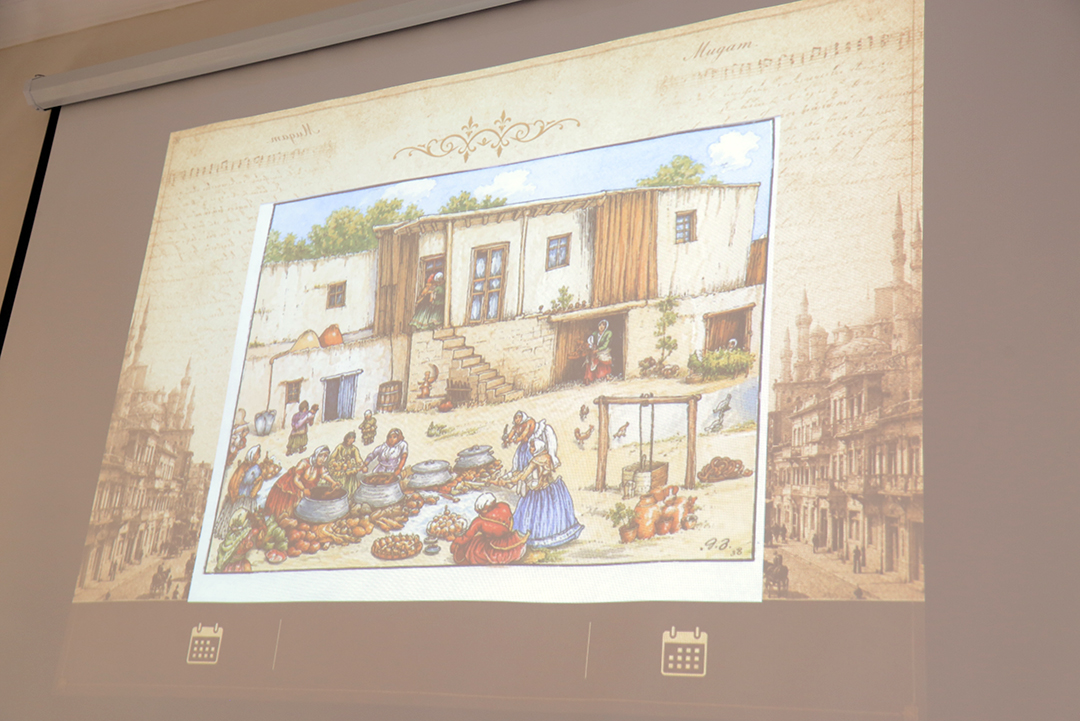
During the session, Associate Professor Afaq Khurramgizi, Deputy Director for Scientific Affairs of the Institute of Folklore and PhD in Philology, Associate Professor made a presentation entitled “Huseyngulu Sarabski and the Folklore of Baku”. The speaker noted that during the Soviet period folklore was primarily associated with rural life, while urban folklore received insufficient scholarly attention due to the widespread assumption. In her presentation, Afaq Ramazanova focused on the illustrations created by the renowned Baku-born caricaturist Azim Azimzade for Huseyngulu Sarabski’s work Old Baku. Through Azimzade’s drawings, wedding ceremonies, neighborhood life, local strongmen, bathhouse culture, folk games and urban entertainment traditions of old Baku were presented as examples of visual folklore. In the presentation the important role of these depictions in preserving the collective memory of Baku’s urban folklore was presented.
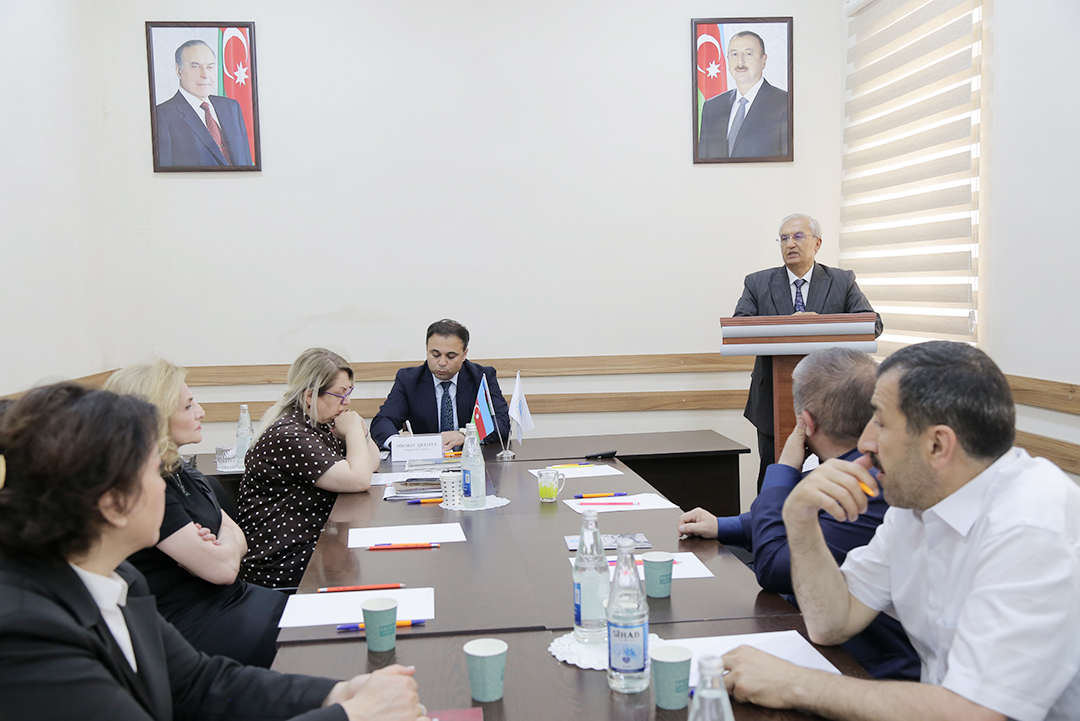
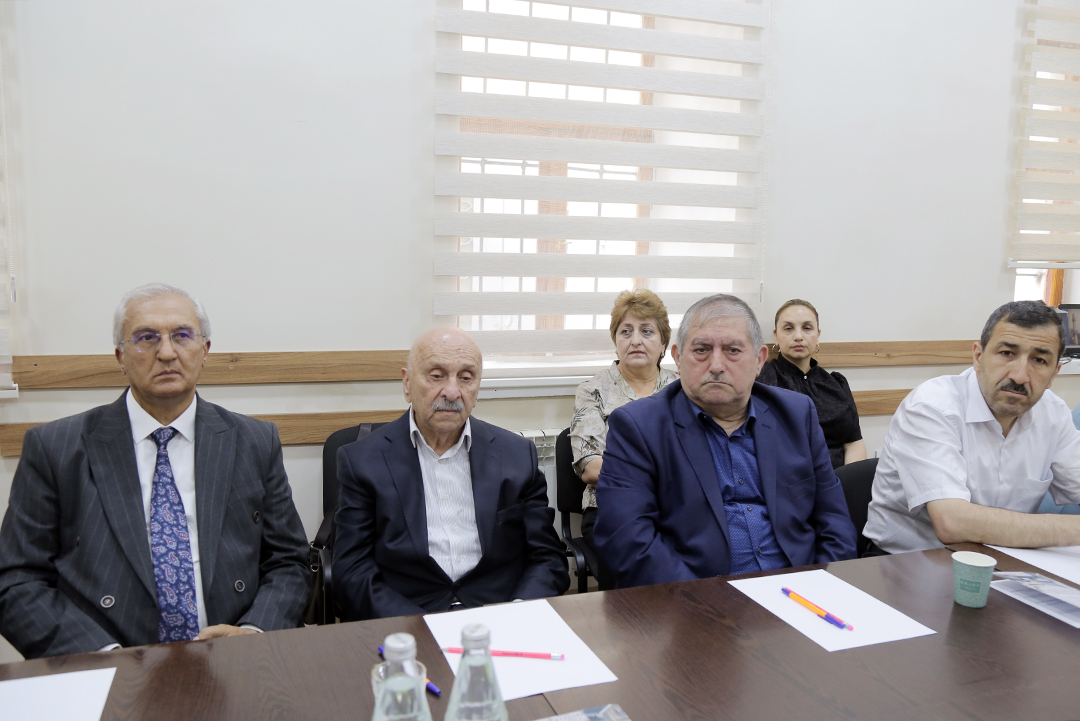
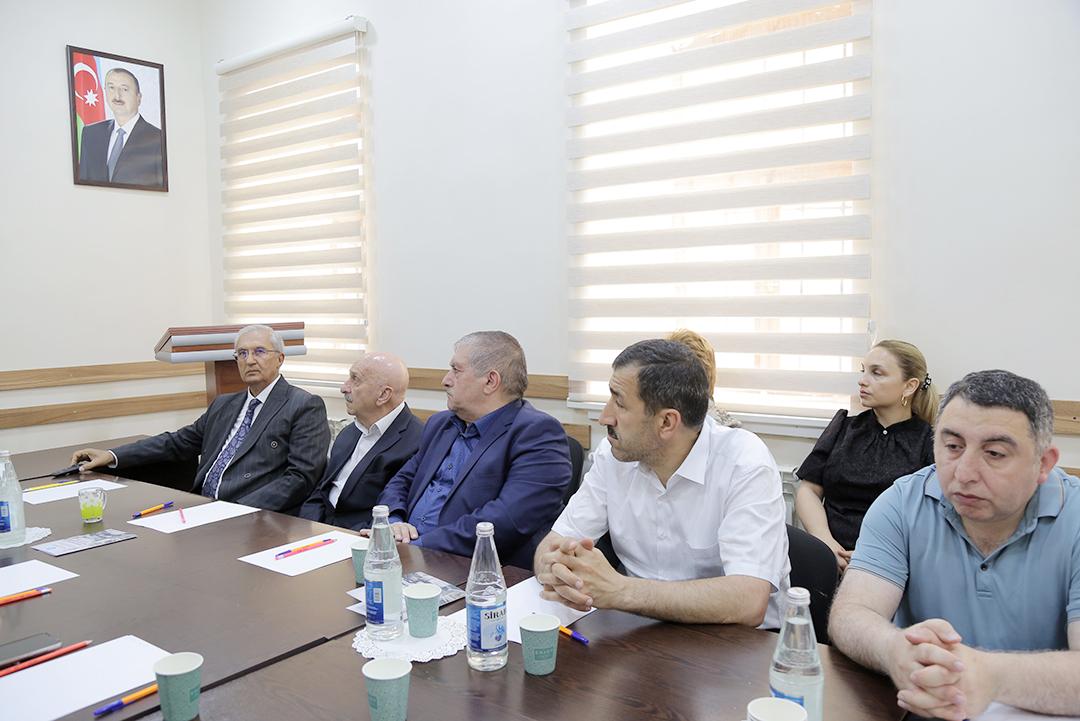
Following the presentations, the participants engaged in extensive discussions on the significance of urban folklore in preserving collective memory, shaping social identity and understanding contemporary cultural processes.
The scientific session concluded with questions and discussions among the participants.