
NEWS
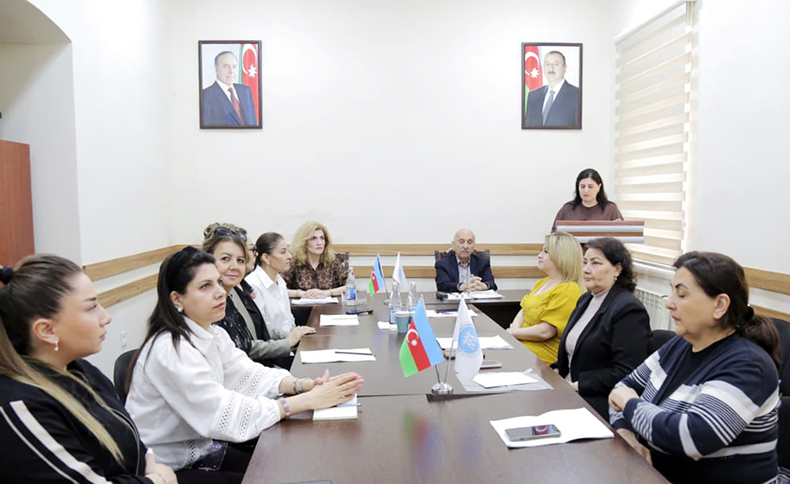
Reports on paremiology and fairy-tale formulas were discussed at the Department of Folklore and Written Literature
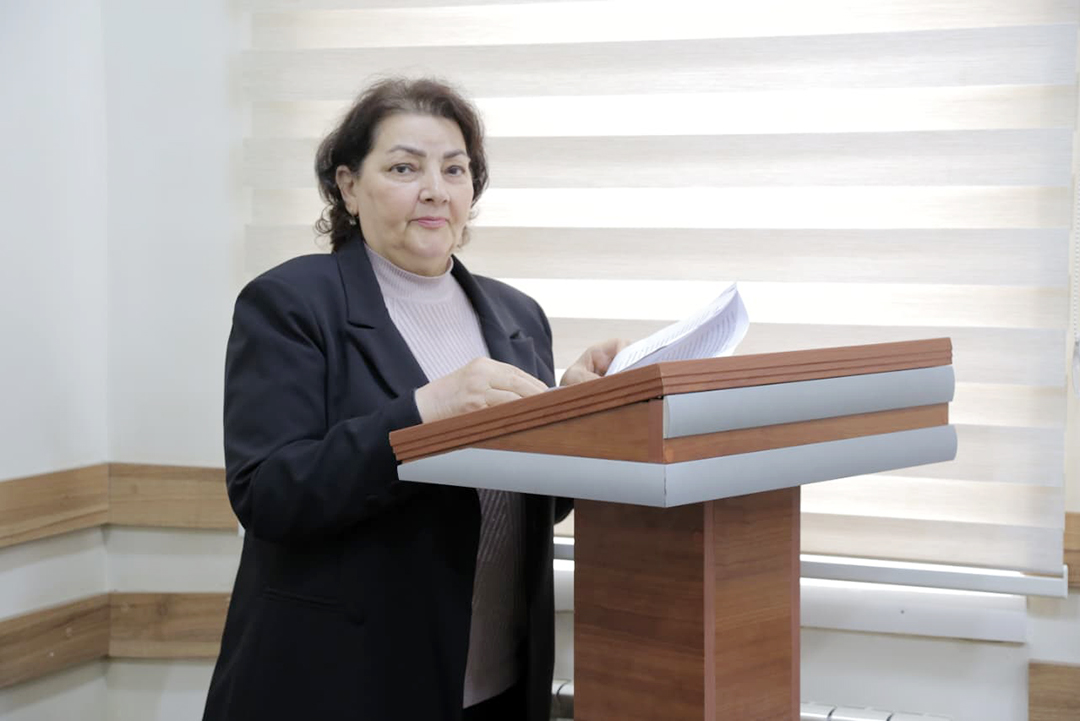
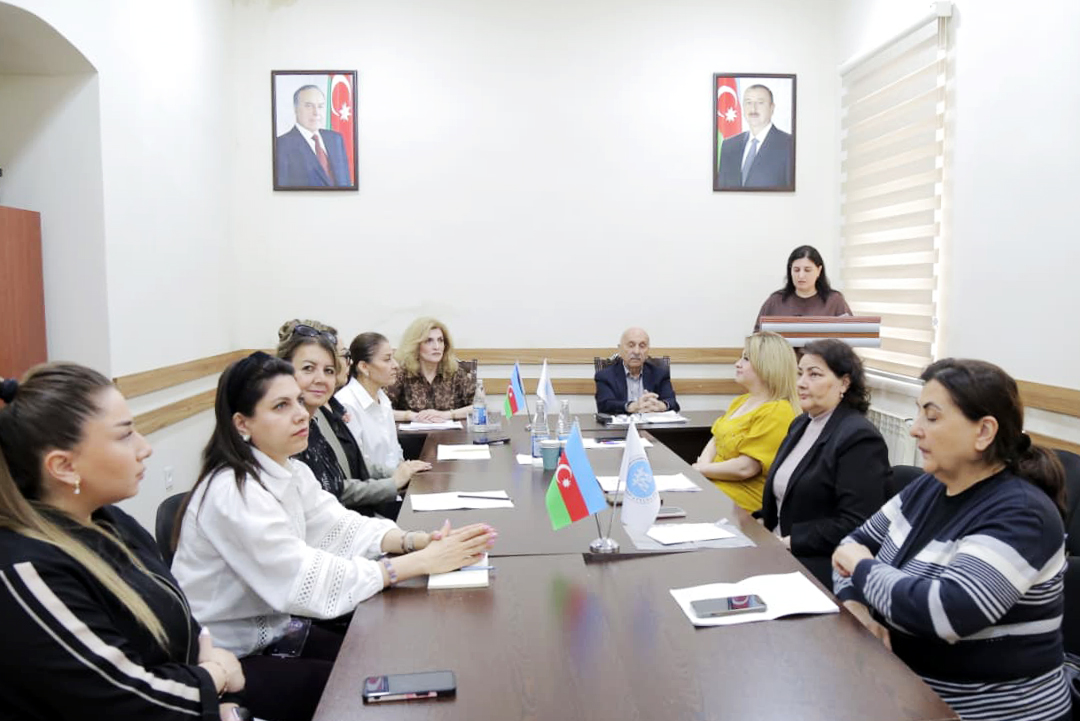
The regular academic seminar was held at the Department of Folklore and Written Literature of the Institute of Folklore of ANAS. At the seminar the report titled “The Ideological and Artistic Features of Paremiological Units in 19th Century Azerbaijani Dramaturgy” by senior researcher of the department, Doctor of Philosophy in Philology Sevda Gasimova was made.
The speaker noted that one of the main issues attracting attention in the development of 19th century Azerbaijani dramaturgy was the promotion of Enlightenment ideas. Prominent Azerbaijani representatives of enlightenment literature who created works in this direction also joined the global process of disseminating Enlightenment ideals through their writings. The report mainly discussed the usage features of paremiological units in the works of Mirza Fatali Akhundov and Abdurrahim bey Hagverdiyev, as well as the role and significance of these units in revealing the characters of literary figures and expressing social and historical problems.
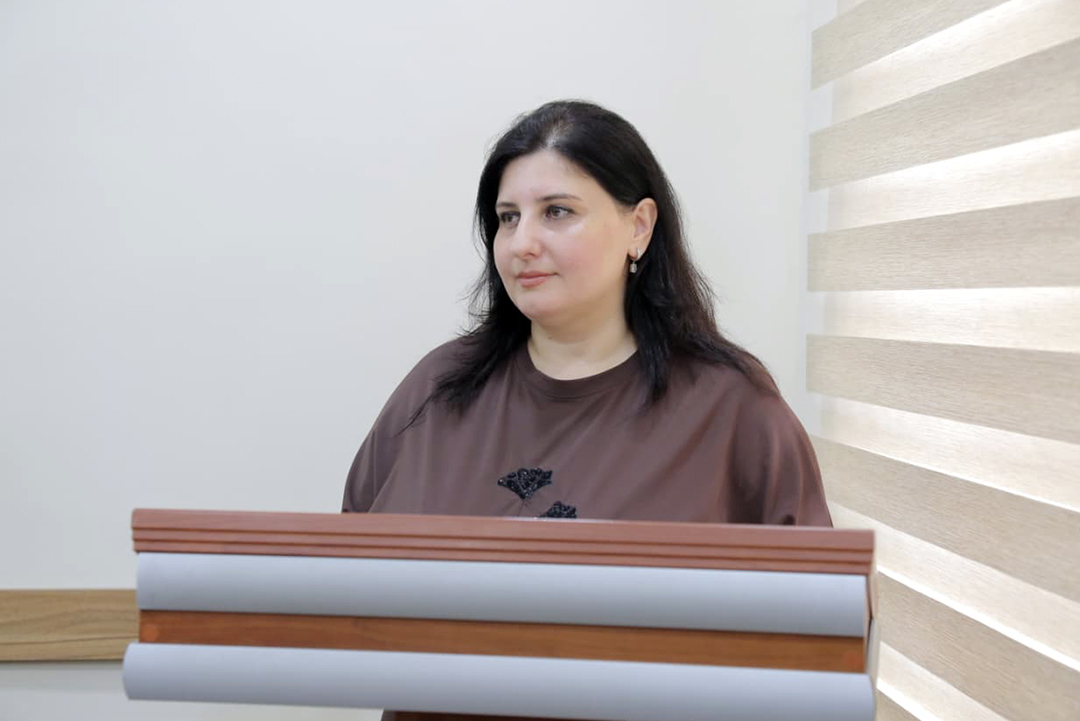
Then the researcher Gulnar Ismayilova presented her report titled “The Formula of Fairy-Tale Time and Space in Short Stories of the Independence Period”.
In the presentation it was mentioned that the periodization process of Azerbaijani literature of the Independence era constitutes a distinct literary stage. It was noted that the psychological position of the literature of the 1960s–1970s, the renewal of the human factor in art and the growing relevance of sociological problems all had a direct influence on the literature of the Independence period.
Gulnar Ismayilova also mentioned that one of the most interesting examples of the spatial formula in Azerbaijani short stories of the Independence period was the introduction of deconstructed works into new prose, resulting in the renewal of literary space.
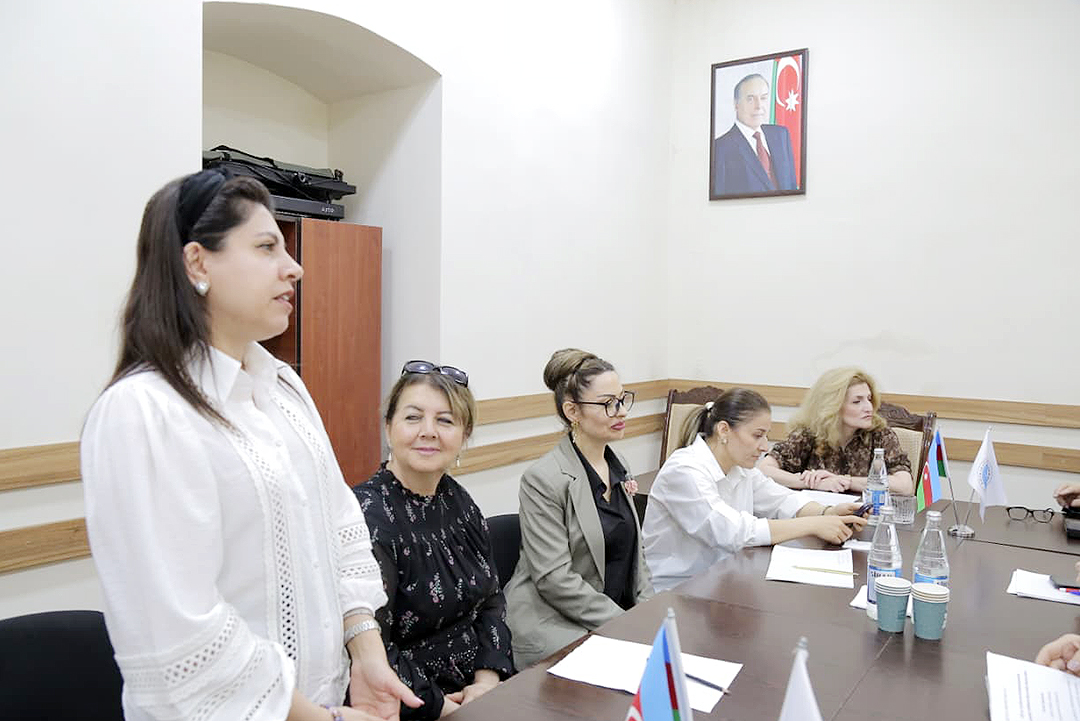
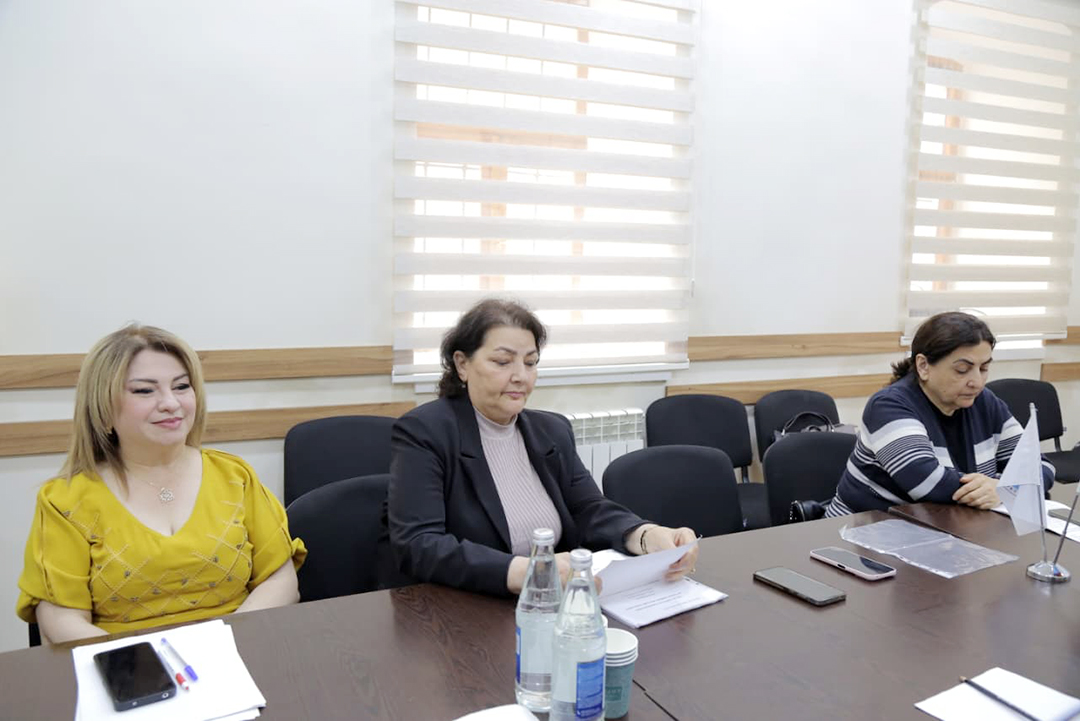
The academic seminar continued with discussions. Participants exchanged views on the presented topics and the speakers answered questions from the audience.