
NEWS
Reports about the birth rituals and ecological thinking in folklore presented at the Department of Mythology
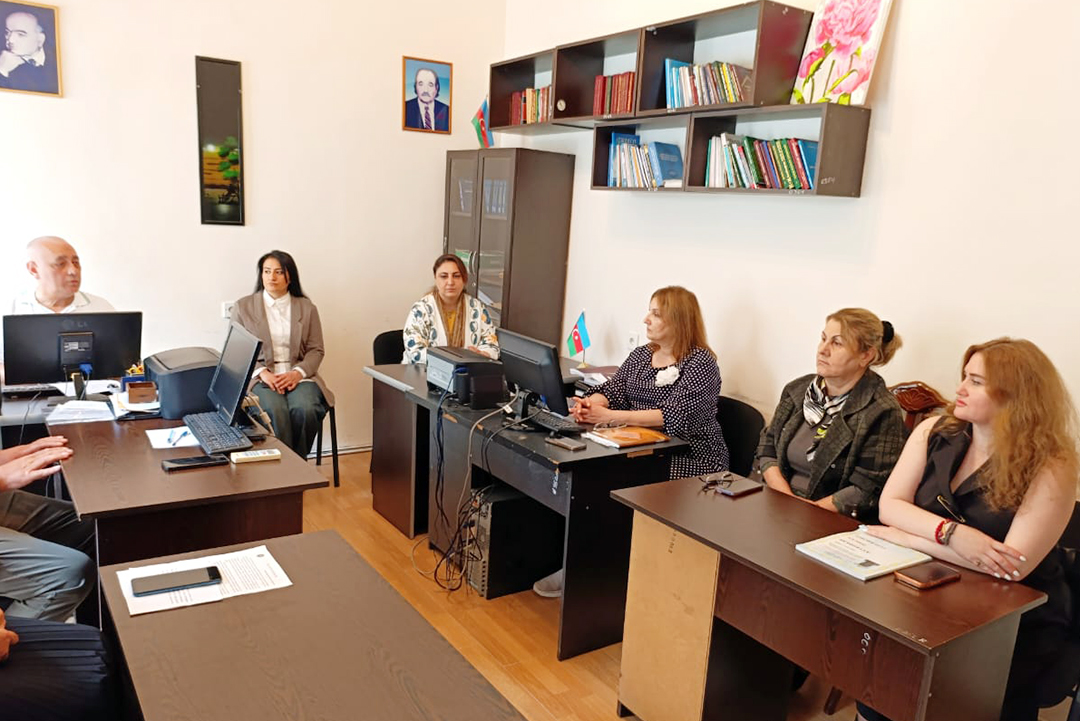
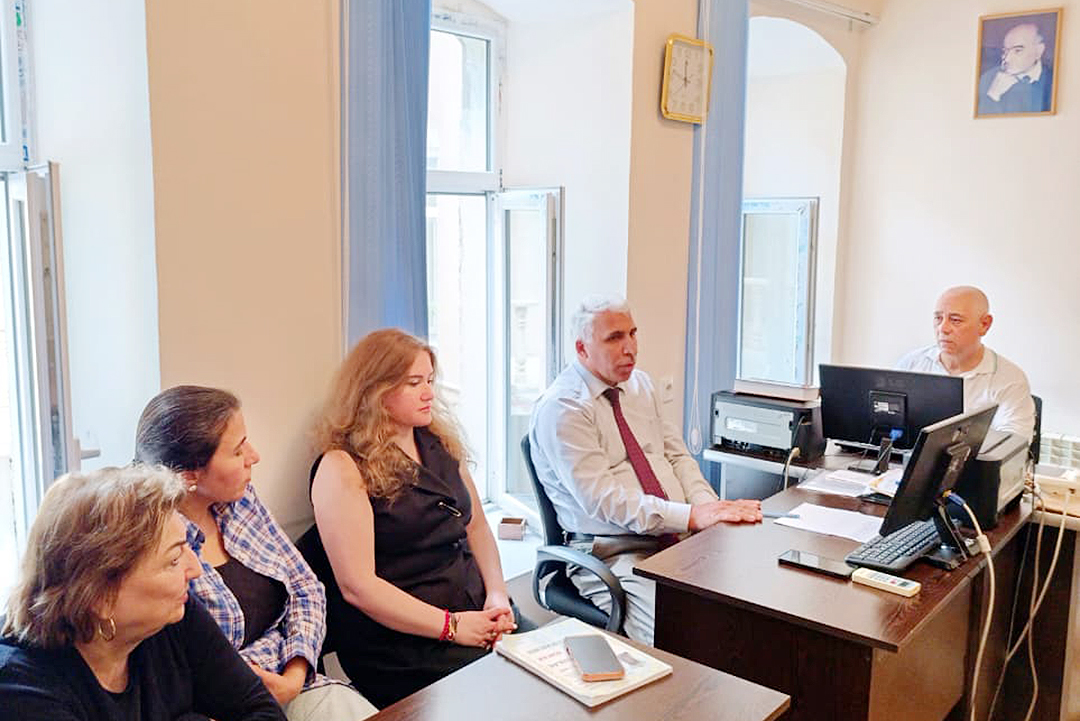
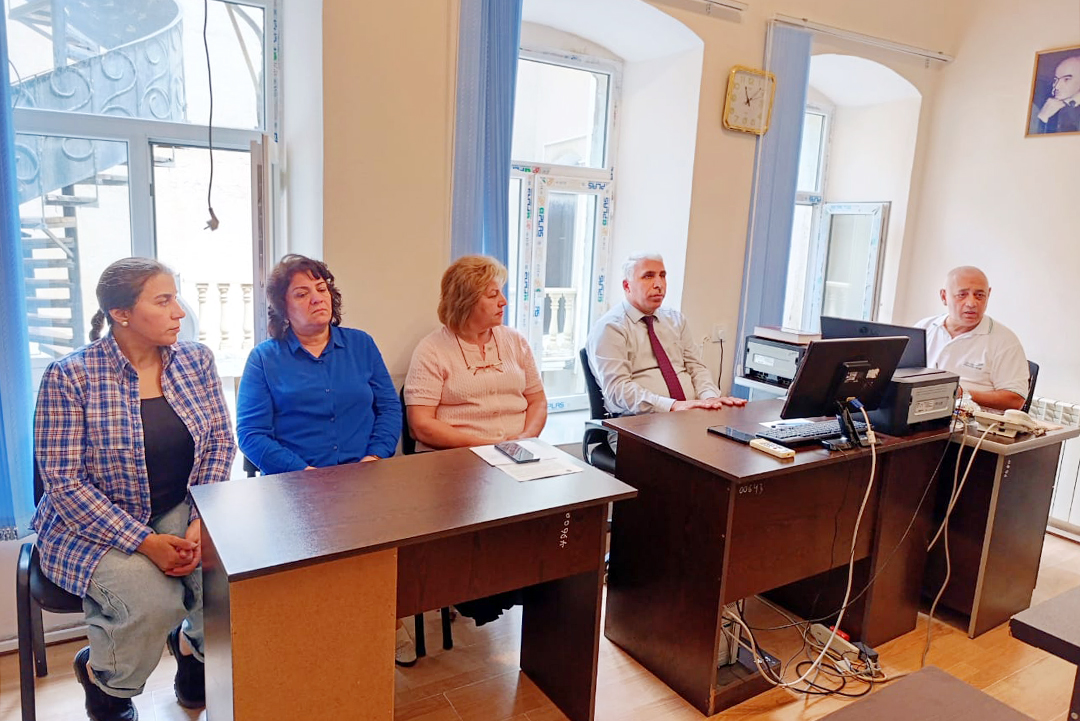
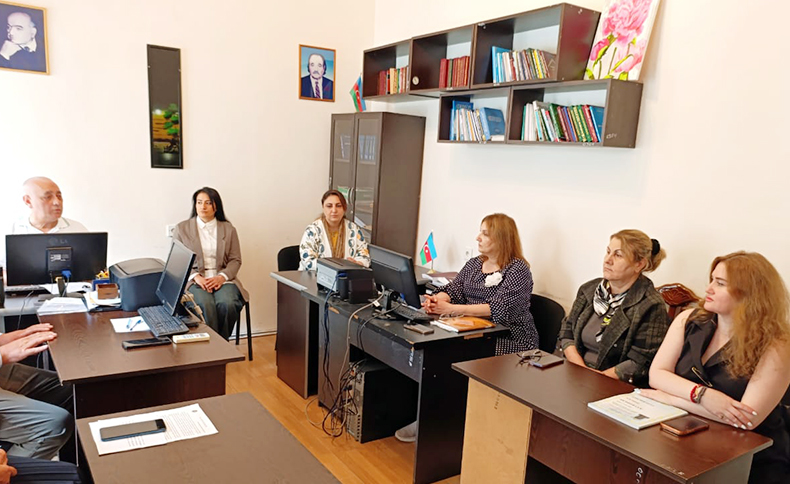
The academic seminar was held at the Department of Mythology of the Institute of Folklore of ANAS. Along with the staff of the Department of Mythology, employees of the Departments of Ashiq creativity, Folklore ceremony and national culinary tradition also took part in the seminar.
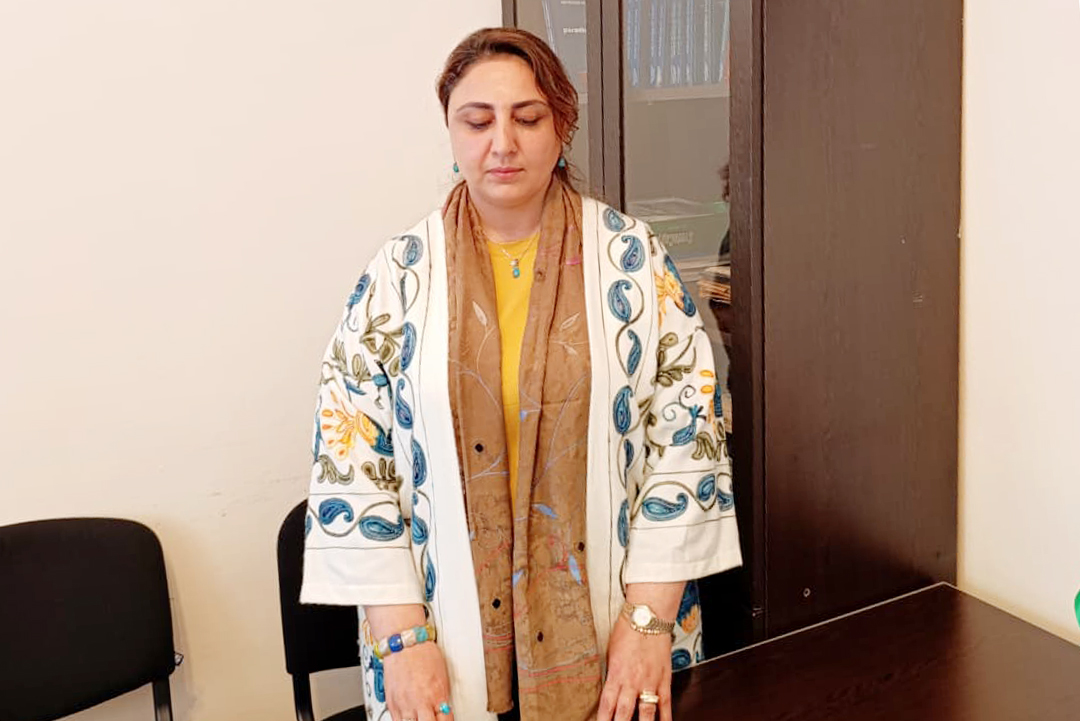
Leading researcher of the Department of Mythology, PhD, Associate Professor Maleyka Mammadova made a presentation entitled “The Functional Semantics of Mythological Beings in Birth Rituals”.
In the report it was noted that in the folklore of Turkic peoples, birth was regarded not only as a biological event but also as an important transitional stage carrying sacred and mythological meaning. It was mentioned that, according to folk beliefs, both the mother and the newborn were considered to be in an “open” and “vulnerable” state during childbirth and therefore were believed to be susceptible to the influence of various supernatural forces.
In her speech PhD, Associate Professor Maleyka Mammadova mentioned about the mythological essence of birth rituals and referred to the theory of rites of passage. She noted that the mythological beings appearing in birth rituals were among the important indicators of the archaic worldview, collective memory and sacred system of thought of Turkic peoples.
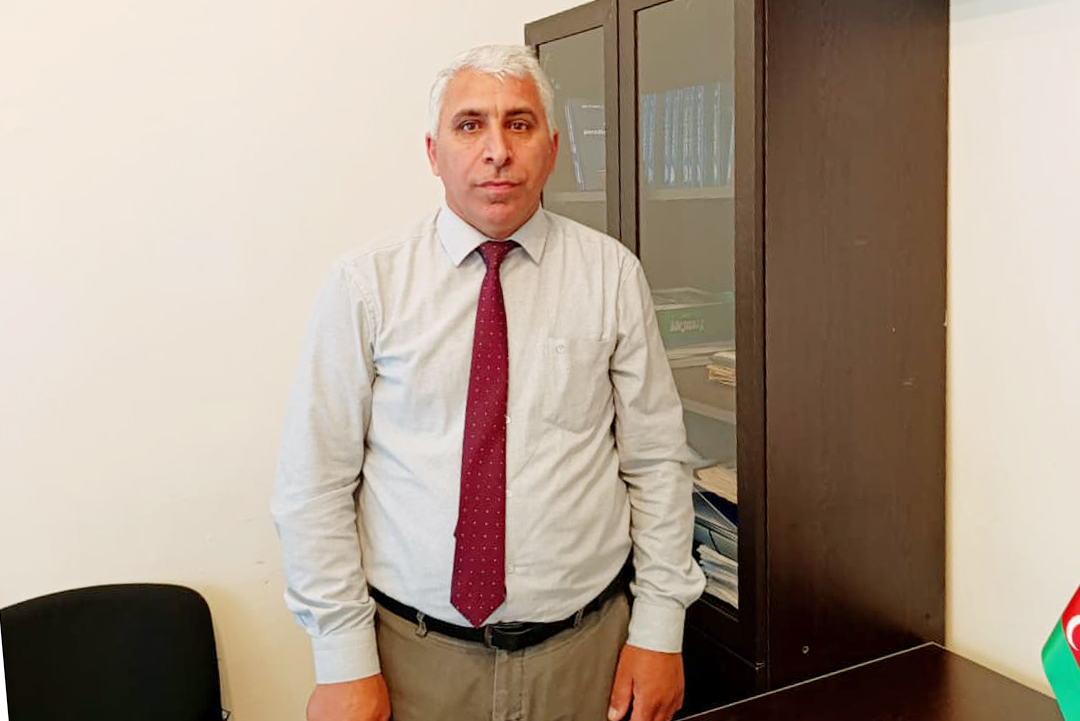
The senior researcher of the Department of Mythology, Aydin Mustafayev also presented a report on the topic “Nature in Folklore Texts: In the Context of Modern Ecological Problems”. He mentioned that folklore was a rich source reflecting mythological system of thinking of the society about nature. Aydin Mustafayev noted that images of nature in folklore texts functioned not only as depictions of the real environment, but also as artistic components carrying semantic, symbolic and spiritual meanings.
In the presentation it was noted that in some texts, mountains, trees, flowers, blossoms and other elements of nature were portrayed as anthropomorphized forces reflecting animistic beliefs; the negative consequences of actions contrary to nature were demonstrated through imagery and the idea of humans living in harmony with nature was brought to the forefront.
The seminar continued with academic discussions on the presented reports.