
NEWS
The structure and formation features of the epic “Forty Batyrs” cycle were discussed at the Institute of Folklore
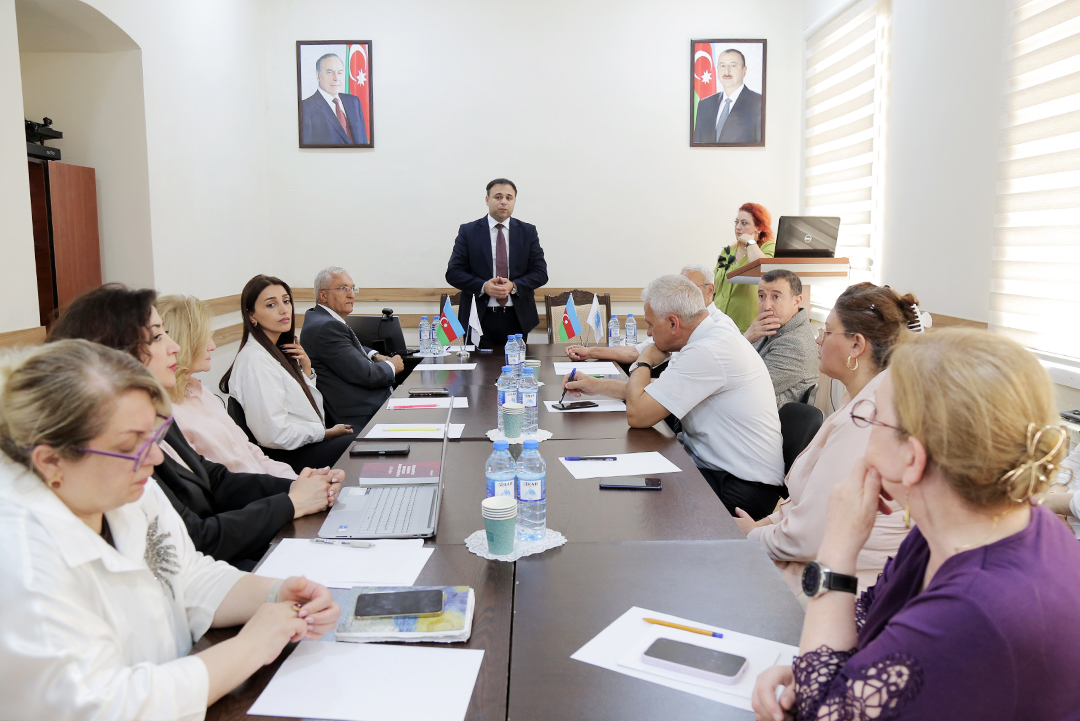
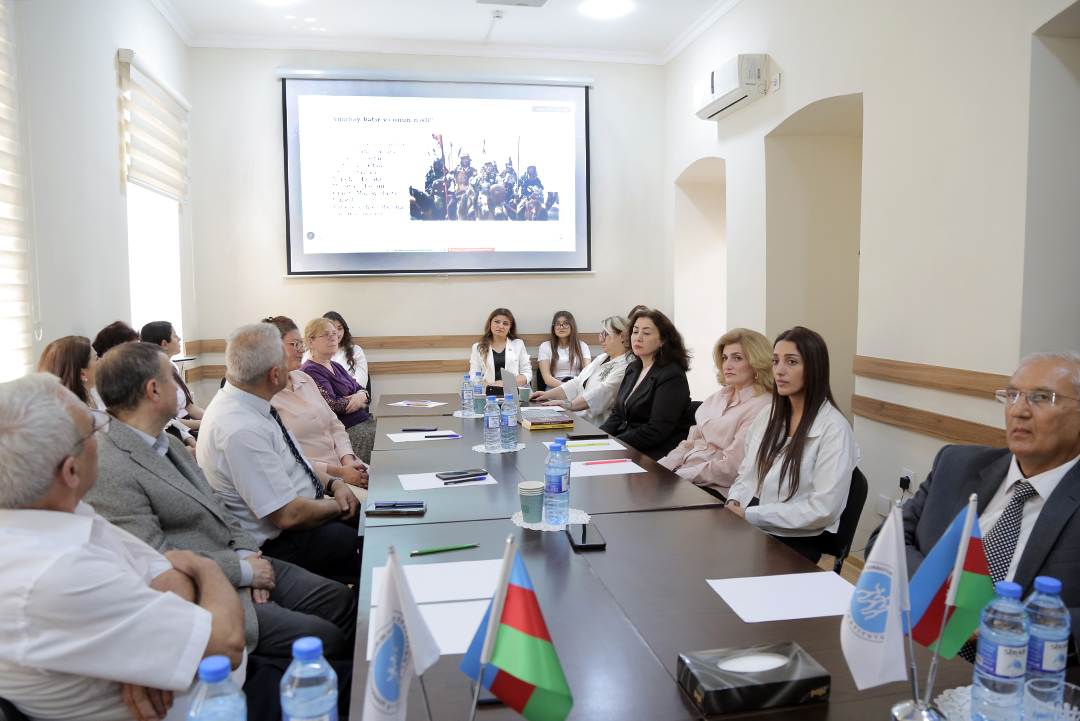
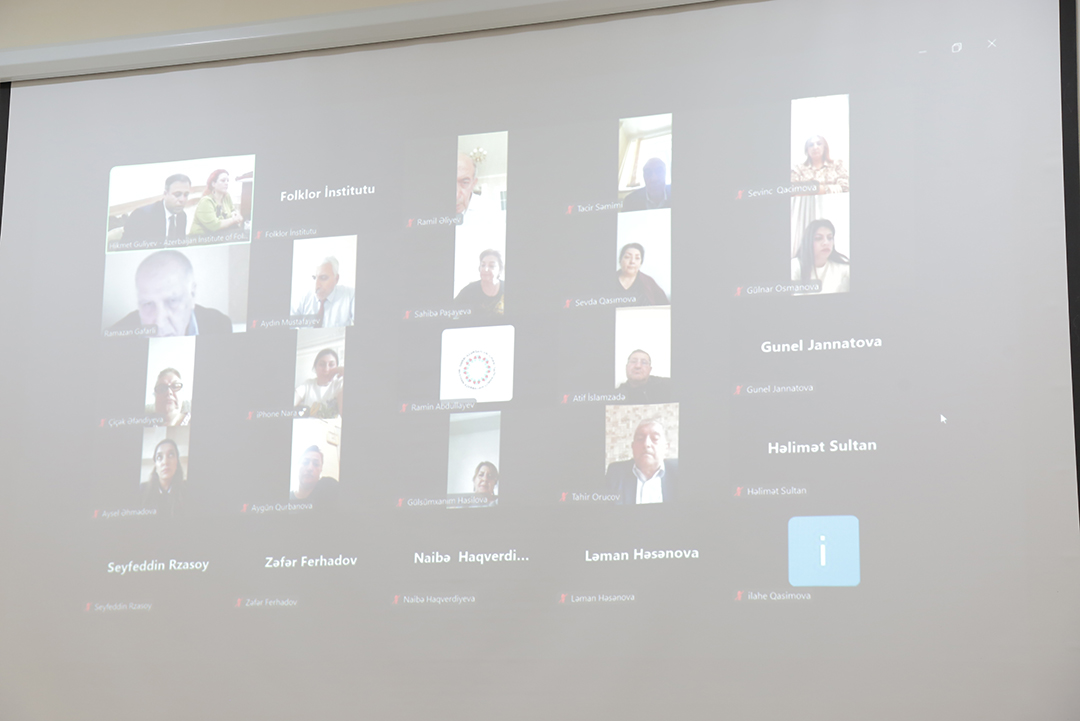
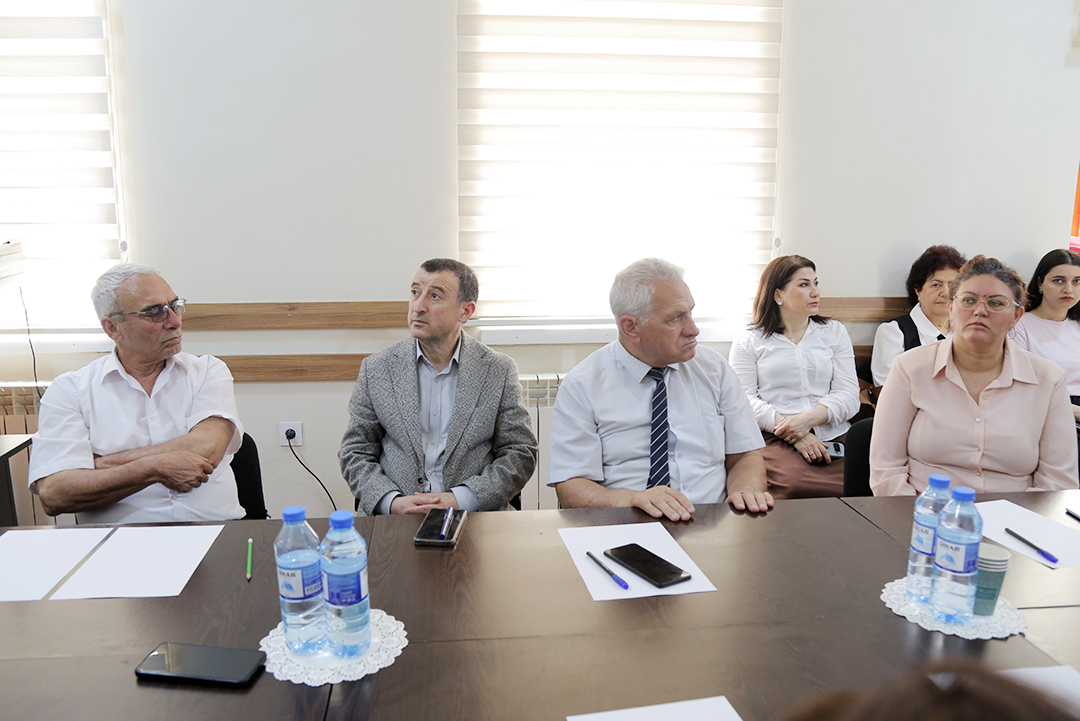
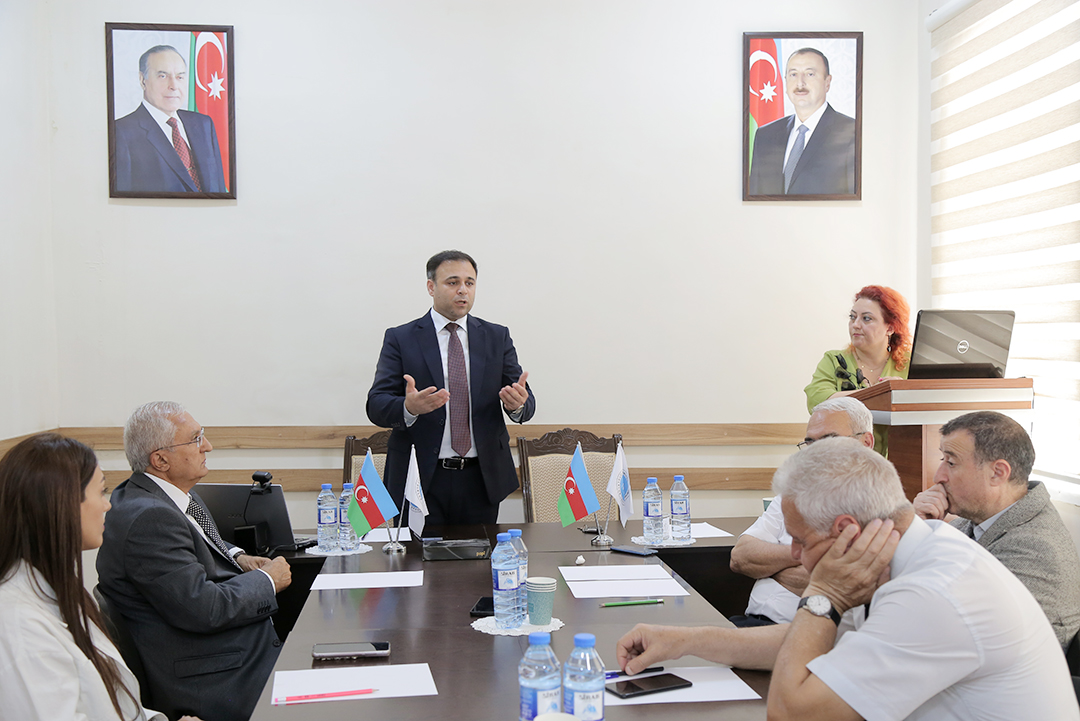
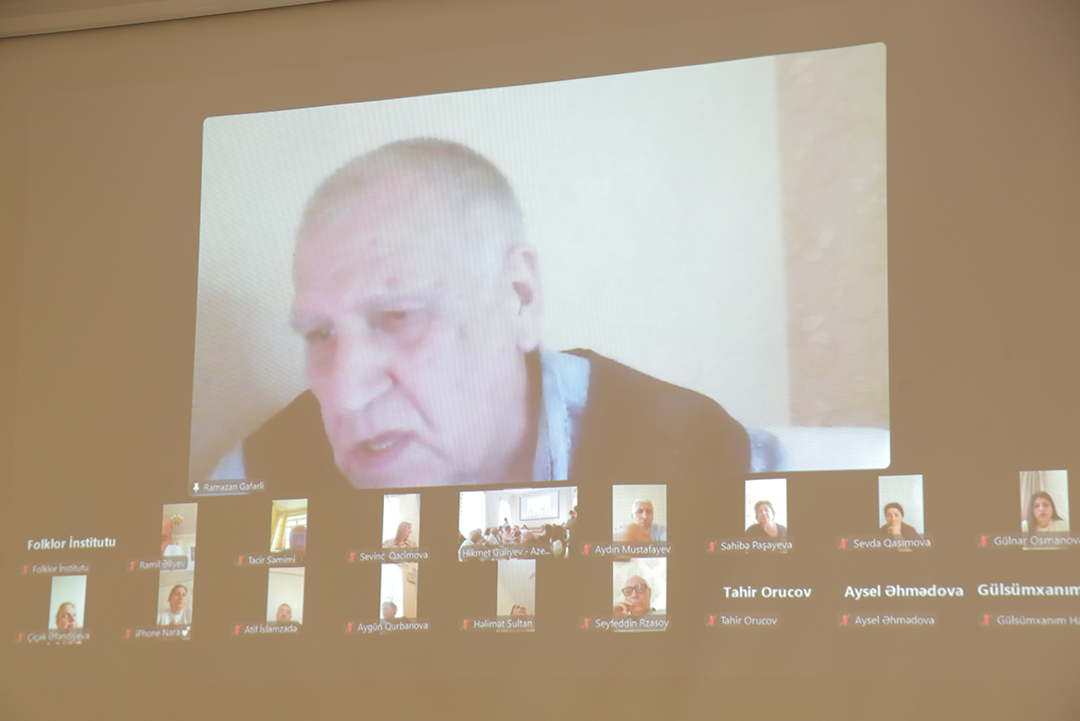
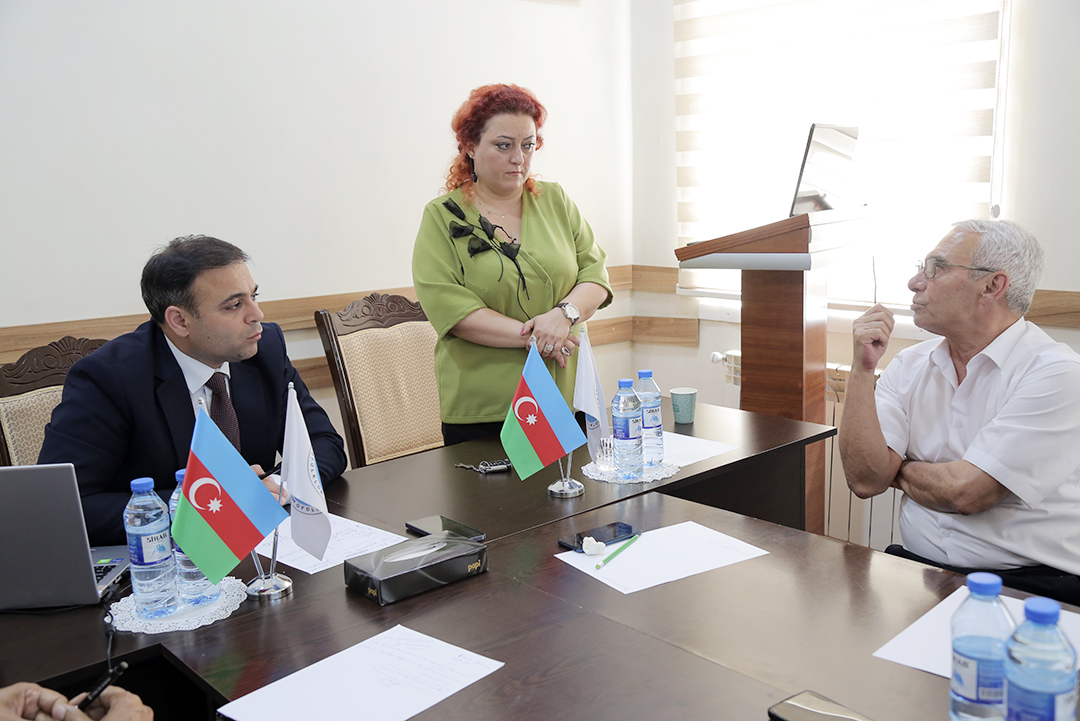
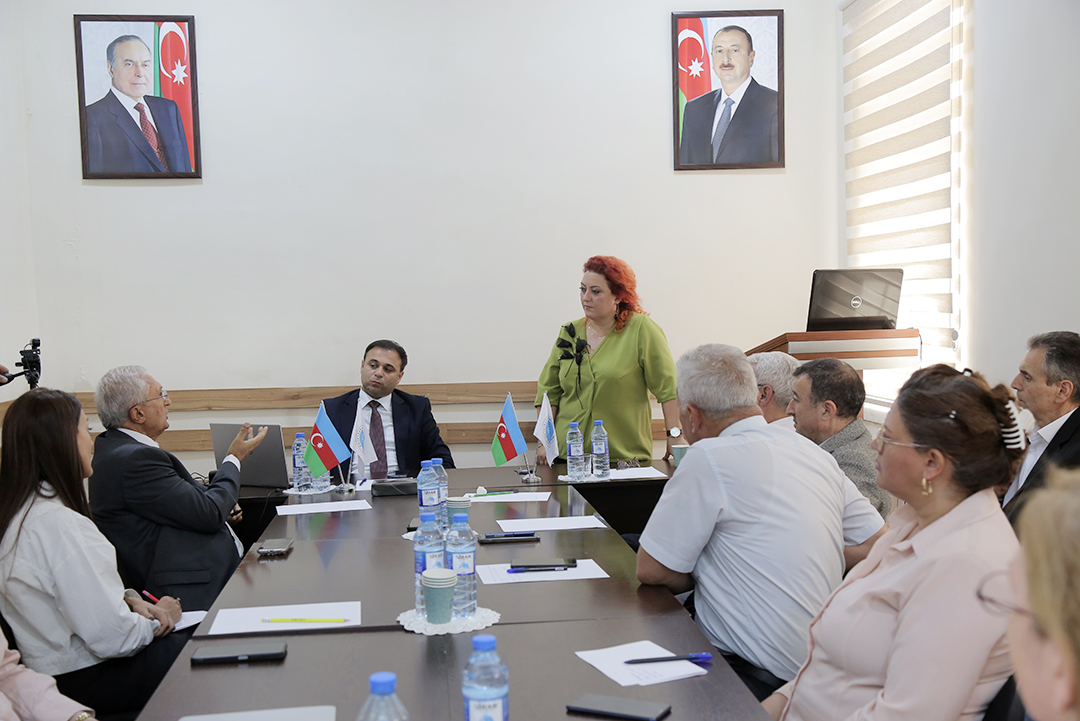
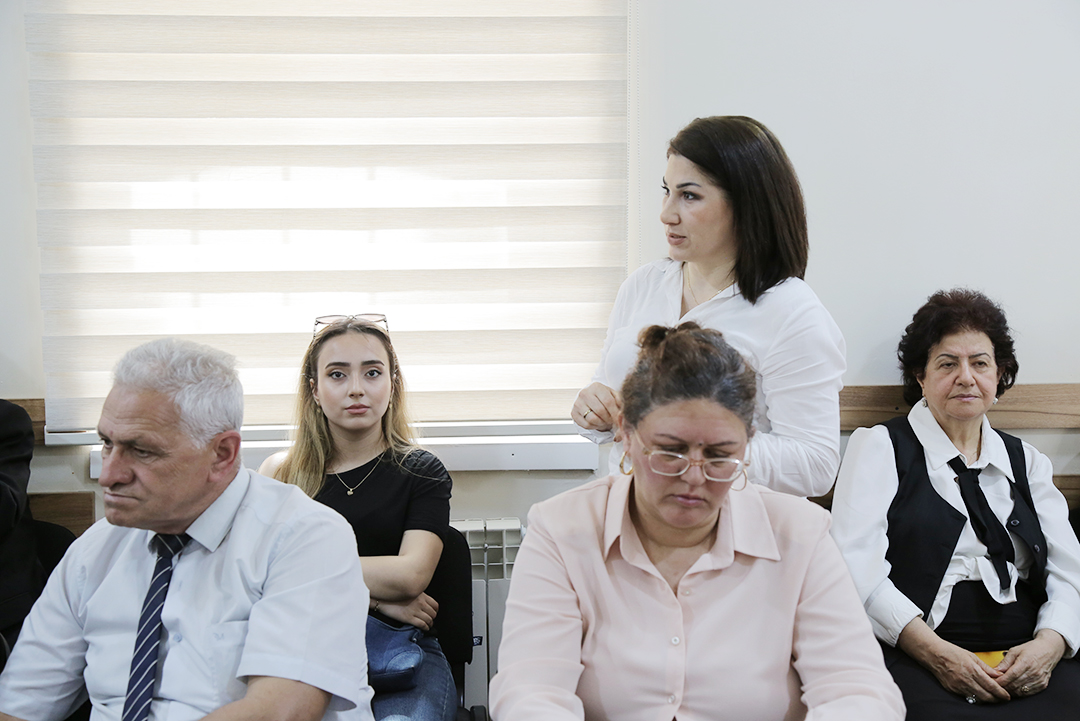
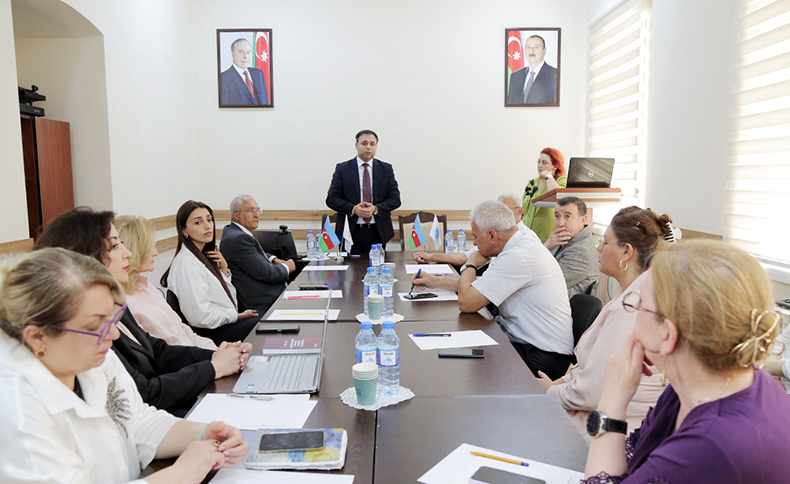
On the 19th of May 2026 the regular academic seminar was held at the Institute of Folklore of ANAS. At the seminar Doctor of Philosophy in Philology and Associate Professor Gumru Shahriyar made a presentation titled “The Epic Cycle about the Forty Batyrs: Structure and Formation”. Alongside institute staff, doctoral and dissertation students, the hybrid-format seminar was also attended by interns from Baku Eurasian University and a doctoral student from Al-Farabi Kazakh National University.
Opening the event with introductory remarks, Director of the Institute of Folklore of ANAS, Doctor of Philological Sciences Hikmat Guliyev, noted that the seminar topic stands out for its significance, multilayered nature and broad scholarly context. In his speech, the scholar discussed the importance of studying historical, cultural and social factors in interrelation within folklore research, mentioning in particular that the process of the formation of epic texts should be evaluated not only at the textual level, but also within the broader context of cultural memory. He noted that the comparative study of various versions, semantic layers and historical transformations reveals the essence of the issue more clearly.
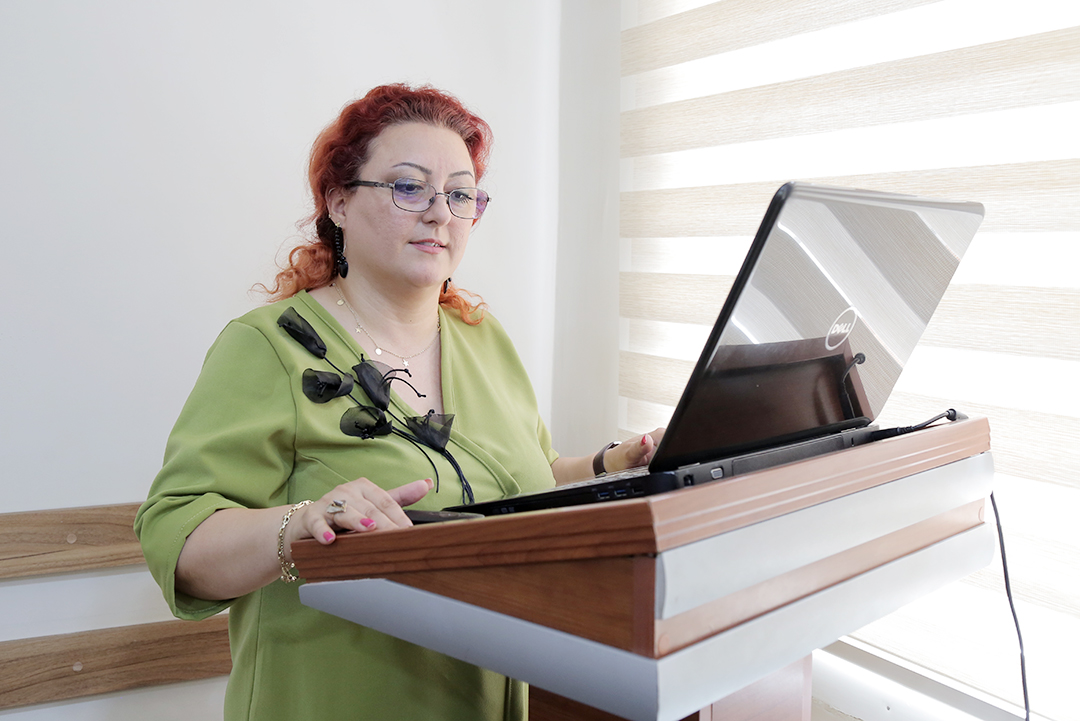
Afterwards, the report by Doctor of Philosophy in Philology and Associate Professor Gumru Shahriyar was presented.
In the presentation it was noted that the epics included in the cycle were interconnected through the principle of genealogical succession of heroes, a feature that distinguishes the cycle from other epic examples. It was emphasized that the formation process of the cycle covers a long historical period. Although the initial stage of the epics’ emergence dates back to the 14th–15th centuries, their development into a complete epic cycle took place after the second half of the 16th century.
The report also addressed the relationship among the epics and historical events. It was noted that the period of the Golden Horde, the Nogai Horde, relations with the Gizilbash and various historical processes were preserved in epic texts through certain transformations. It was pointed out that within epic memory, historical reality and artistic imagination function as complementary elements.
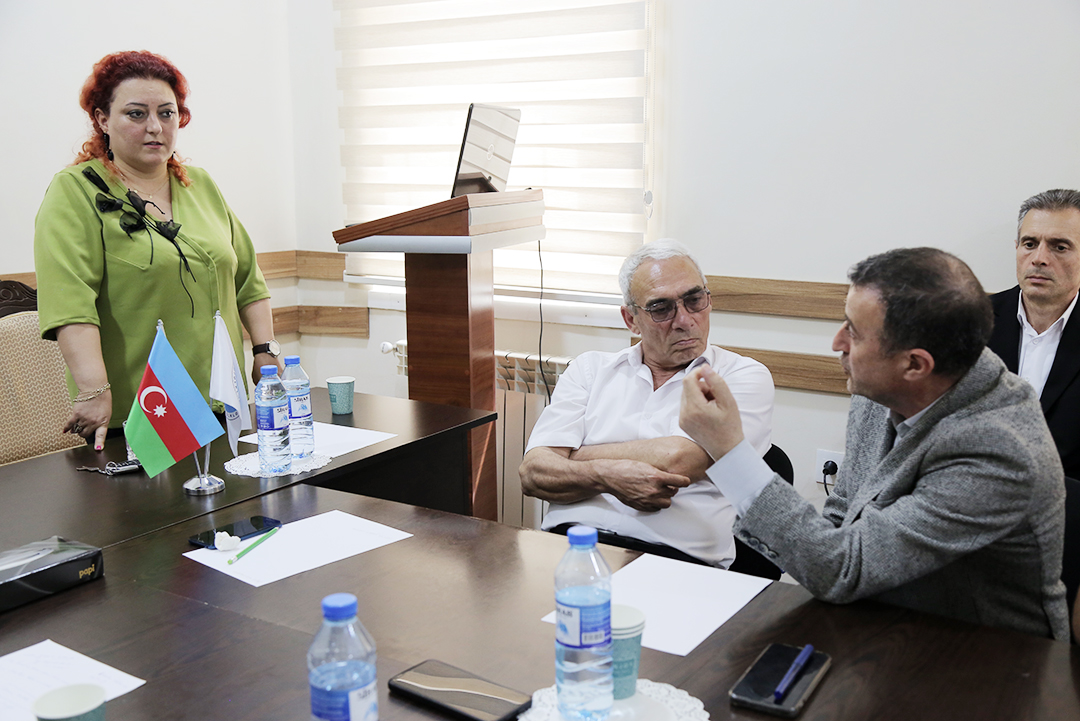
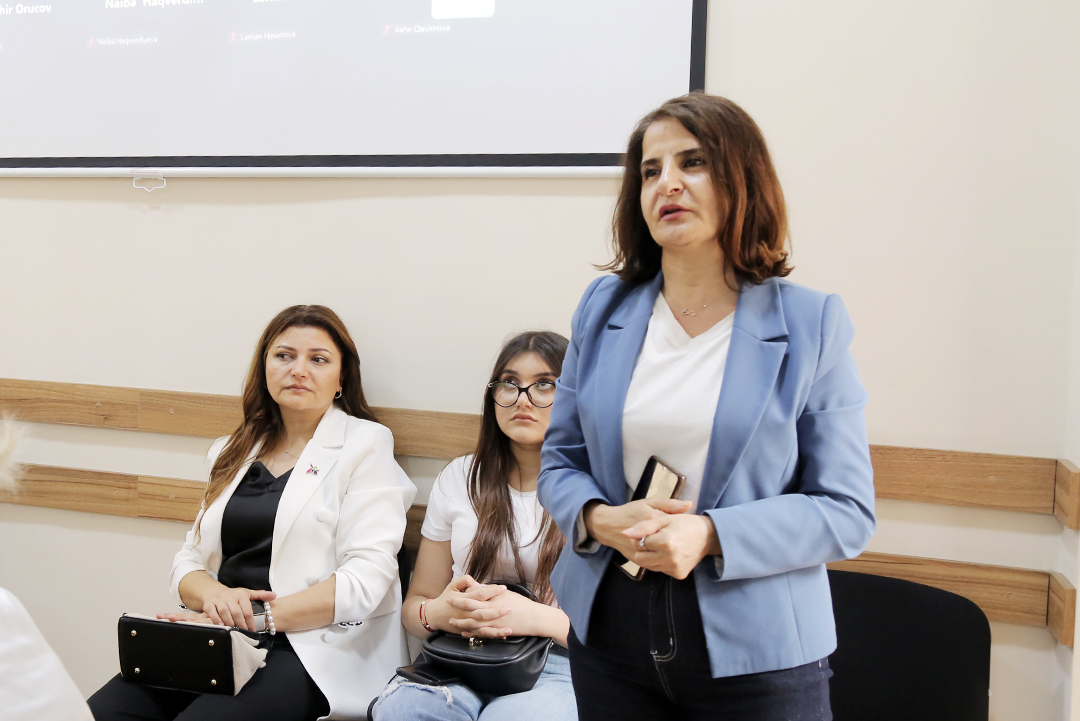
The extensive discussions were held around the presentation and questions from participants were answered.
During the discussions, Professor Ramazan Gafarlı, Professor Afzaladdin Asgar, Professor Fuzuli Bayat, Professor Almaz Hasanqizi, Associate Professor Elchin Abbasov, Associate Professor Elnara Amirli and Associate Professor Sakina Gaybaliyeva took part in the exchange of views.
In his concluding remarks, Director of the Institute of Folklore of ANAS, Doctor of Sciences in Philology Hikmat Guliyev, mentioned that the epic cycle should be studied not only at the level of plot and motifs, but also within the context of the socio-cultural environment, collective memory and epic thinking that shaped it.
He also noted the importance of a systematic approach in the research process, mentioning that the step-by-step study of complex issues enables scholarly results to be presented in a more substantiated and comprehensive manner.