
NEWS
The lectures about phobic perceptions, mythical-artistic philosophy and ritual poetics were heard at the department of Mythology
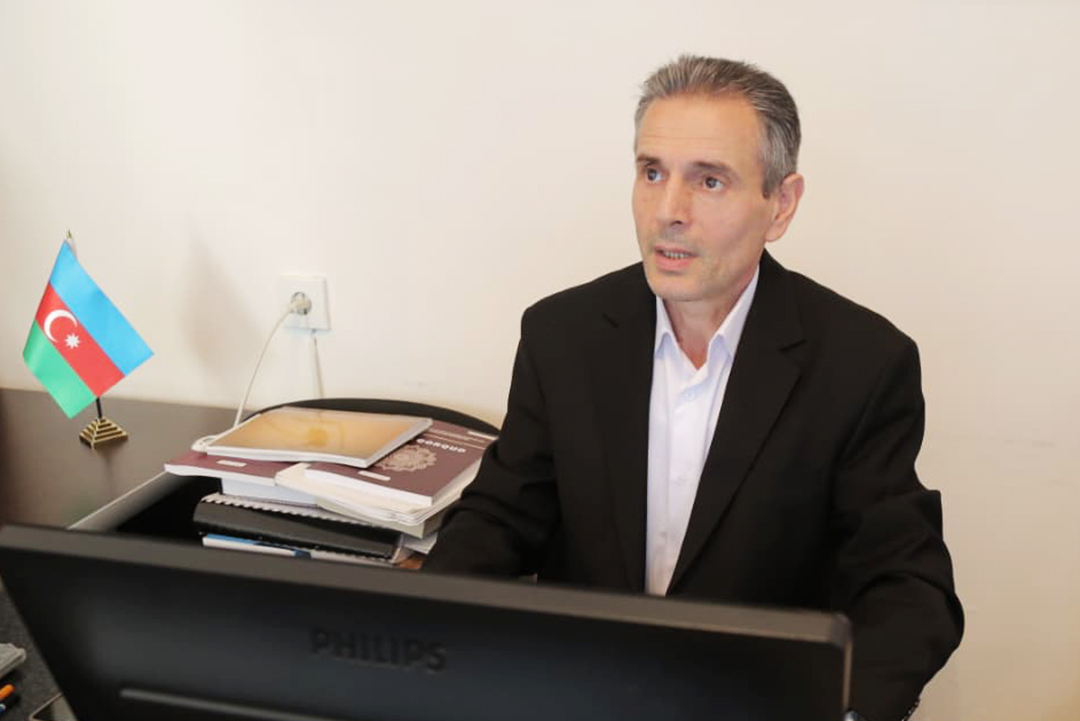
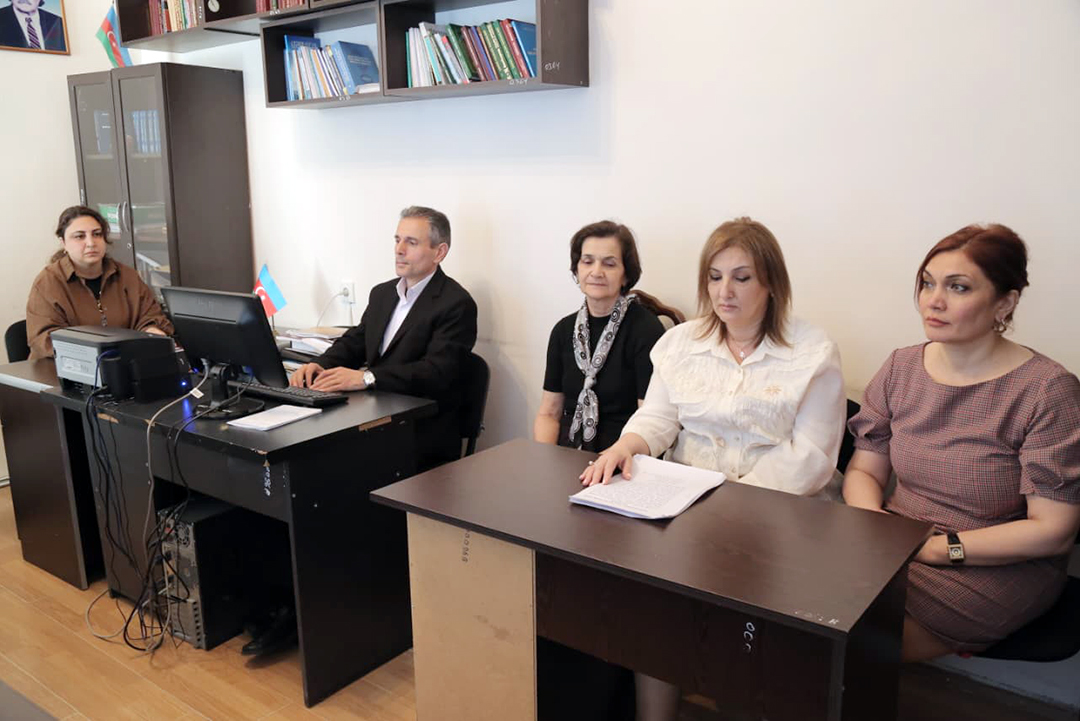
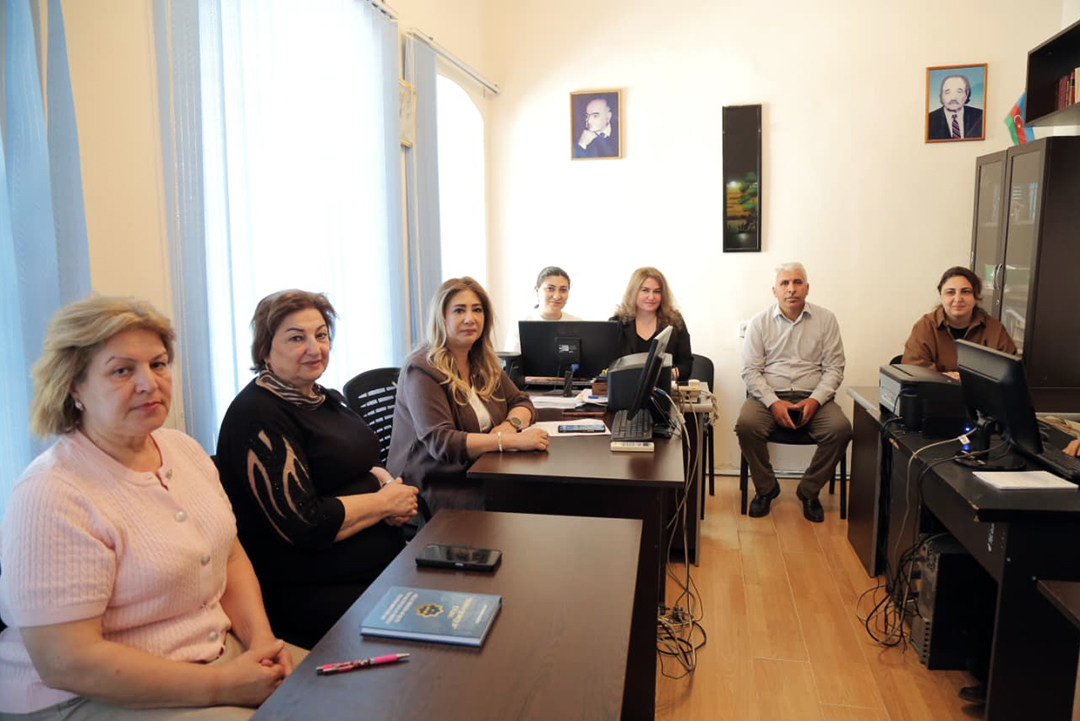
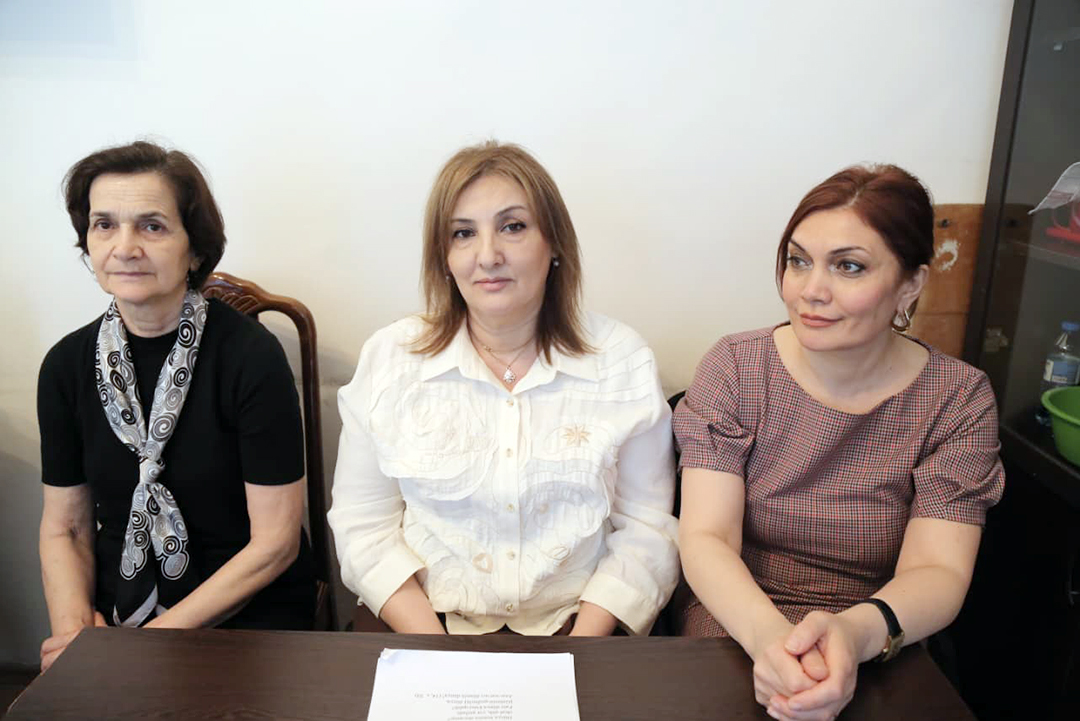
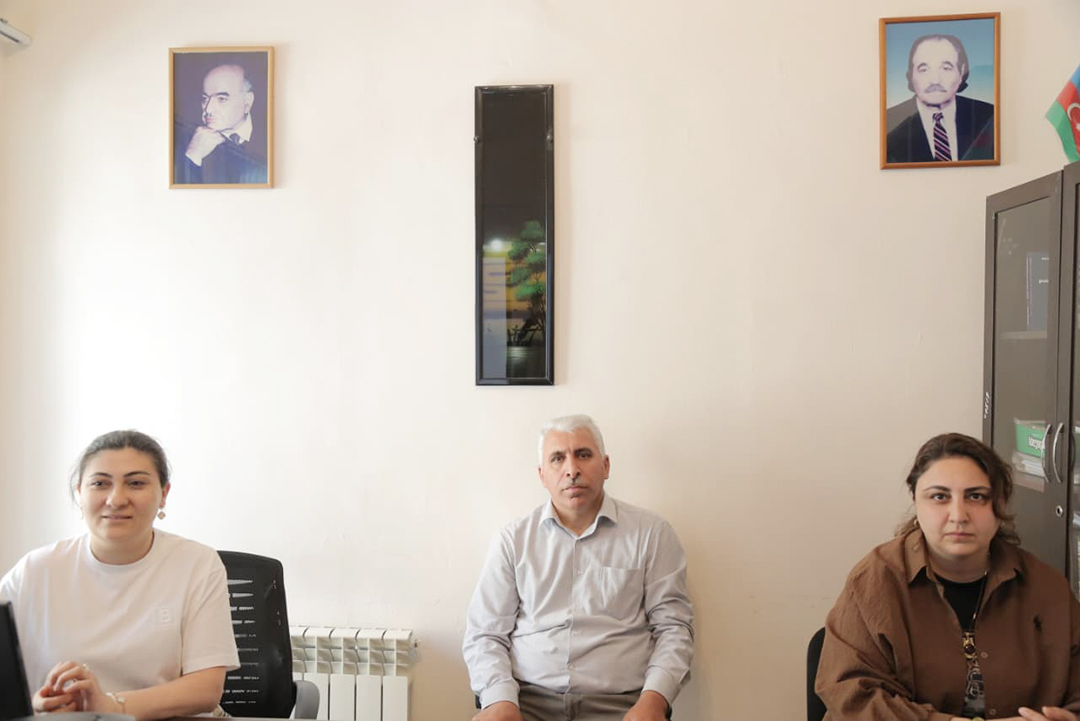
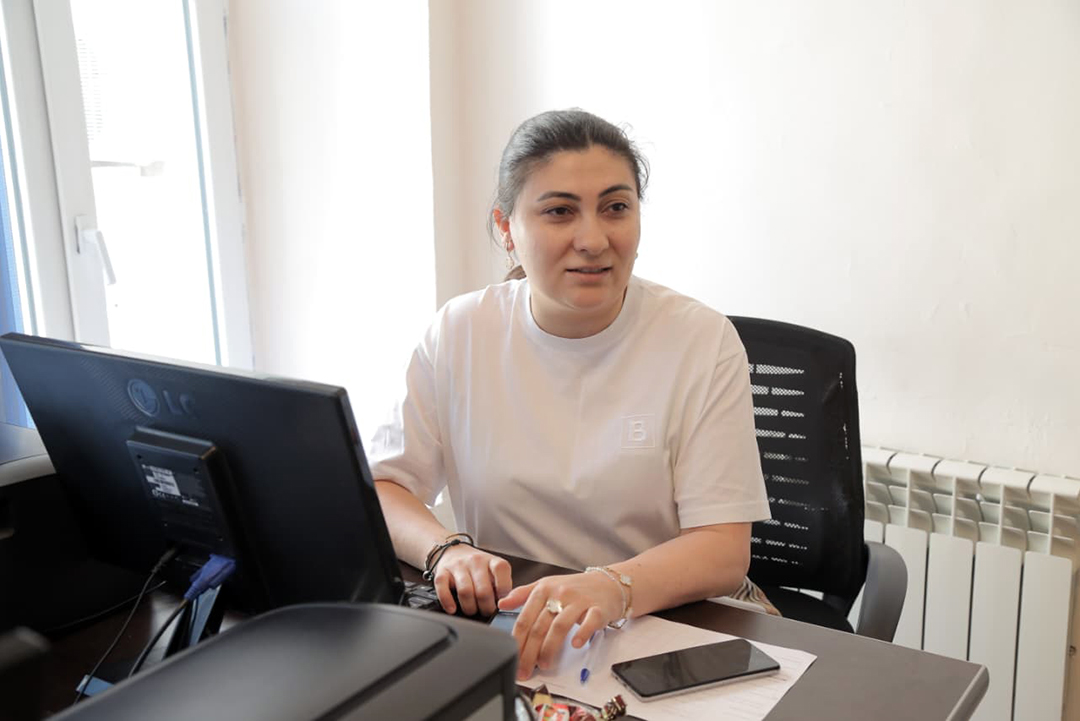
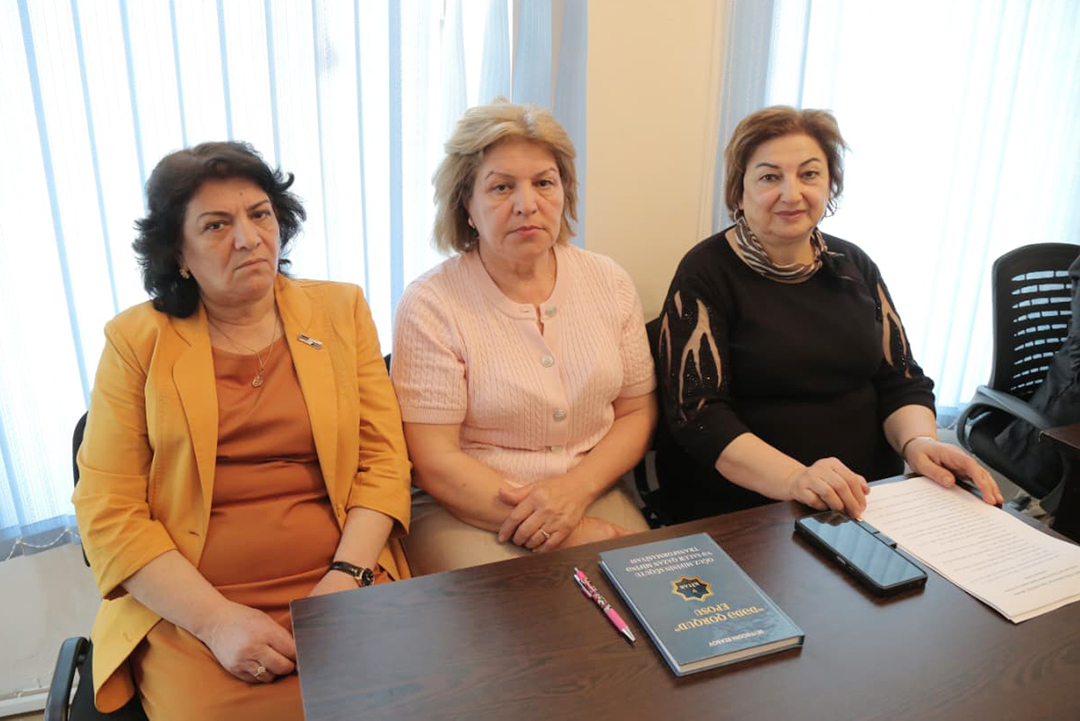
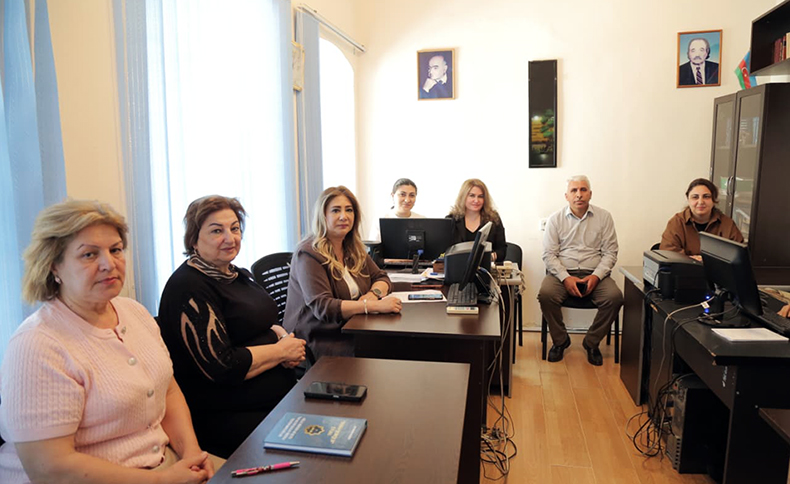
The next scientific seminar was held at the Department of Mythology of the Institute of Folklore of the Azerbaijan National Academy of Sciences (ANAS). Alongside the department staff, scholars and specialists from the Departments of Ceremonial Folklore and National Culinary Tradition and “Dede Gorgud” also participated in the seminar.
At the seminar the leading research fellow of the Department of Mythology, Doctor of Philosophy in Philology, Associate Professor Elchin Galiboglu made a presentation on the topic “Phobic Perceptions in Myth Texts”. Drawing attention to the forms of expression and content of phobic perceptions found in ancestral thought, the speaker noted that the study of fear and mythological images in folklore genres, including beliefs, legends, narratives and other examples, was also significant from the perspective of analyzing human psychology.
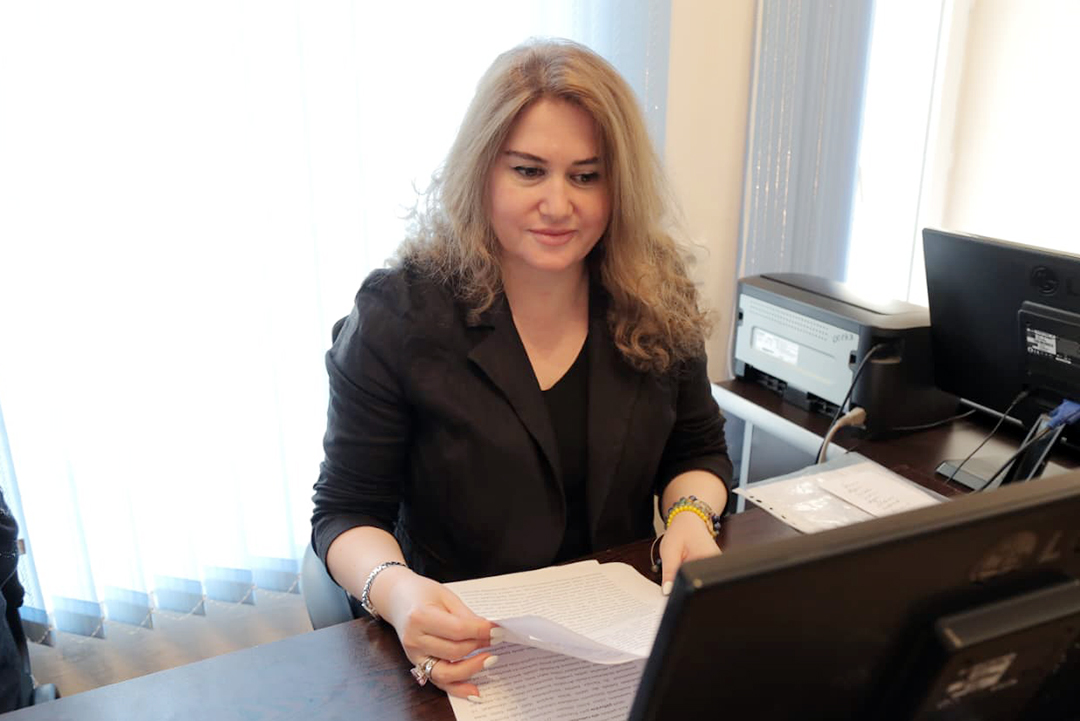
Later, senior research fellow of the department, Doctor of Philosophy in Philology Sevinj Gasimova made a presentation entitled “The Mythical-Artistic Philosophy of the Epic of Dede Gorgud”. The speaker mentioned that the Book of Dede Gorgud was not only a magnificent work of art created by the Oghuz ancestors, but also possessed an exceptionally rich and multilayered system of meanings. Since every sentence and expression in the epic carries deep semantic layers, new meanings continue to emerge as it was studied further.
During the continuation of the seminar, another senior research fellow of the department, Doctor of Philosophy in Philology, Associate Professor Vusala Nasibova delivered a presentation on the topic “Explicit and Implicit Expression Plans of Ritual in the Poetry of the Soviet Totalitarian Era of the 20th Century”. In the presentation it was mentioned that literature and ritual had historically been closely connected and this relationship was primarily reflected in ceremonial folklore. Songs and other examples of oral folklore used in rituals were highlighted as among the main indicators of this connection.
At the end of the seminar the extensive exchange of views took place around the presentations.