
NEWS

FOLKLORE EXAMPLES OF DOMS LIVING IN AZERBAIJAN WERE RESEARCHED AT THE FOLKLORE INSTITUTE
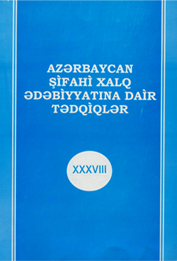
By the decision of the Scientific Council of the Institute of Folklore of ANAS the VII volume of the “Folklore of Minority Peoples” series has been published. The publication is dedicated to the collection and scientific study of the folklore of the Dom (Gypsies) ethnic group living in Azerbaijan. The book presents information about the ethnic life, economic activities and lifestyle of the Doms, as well as examples of folklore collected from them. The research materials were mainly recorded from Dom communities settled in Agsu, Agdash, Yevlakh, Barda, Agdam and Agjabedi districts. According to the information provided by the Doms, this ethnic group was composed of various tribes and classes. Tribes were usually named not by lineage, but by color and geographical origin.
The settlement of the Doms in Azerbaijan dates back to the period after the decision of the Supreme Soviet of the USSR in October 1956 on the settlement of nomadic tribes living in the territory of the USSR. According to the information, each tribe chooses the region with which it had close contact during settlement. During the transition to the sedentary lifestyle, the state granted them certain privileges, including exemption from military service for five years. Observations made during the folklore expedition show that the older generation of the Doms had difficulty adapting to the new lifestyle for a long time and longed for a nomadic life.
The spoken language of the Doms is Azerbaijani. The analysis of collected folklore materials and linguistic facts shows that there is no single dialect among the Doms. Their spoken language was formed mainly in accordance with the dialects of the regions in which they settled.
The book contains legends and tales, rumors, anecdotes and beliefs recorded from the Doms settled in the Agsu, Agdash, Yevlakh and Barda regions. During the research, it was determined that the Doms did not have their own folklore samples and the texts recorded from them were samples of Azerbaijani folklore. But the beauty of the narrator’s narration in the collected examples and the breadth of epic descriptions show that the Doms were master carriers and connoisseurs of Azerbaijani folklore. Among the collected materials, one can find both interesting variants of traditional plots and new ones.
The publication also includes folklore samples collected from Kurdish-speaking Gypsies living in the Yevlakh region and Persian-speaking Gypsies living in the regions of Balakan and Gakh. The materials of the book were collected and compiled by PhD in Philology Ilkin Rustamzade.