
NEWS
Seminar about the translation and research issues of the epic “The Book of Dede Gorgud” was held at the Institute of Folklore
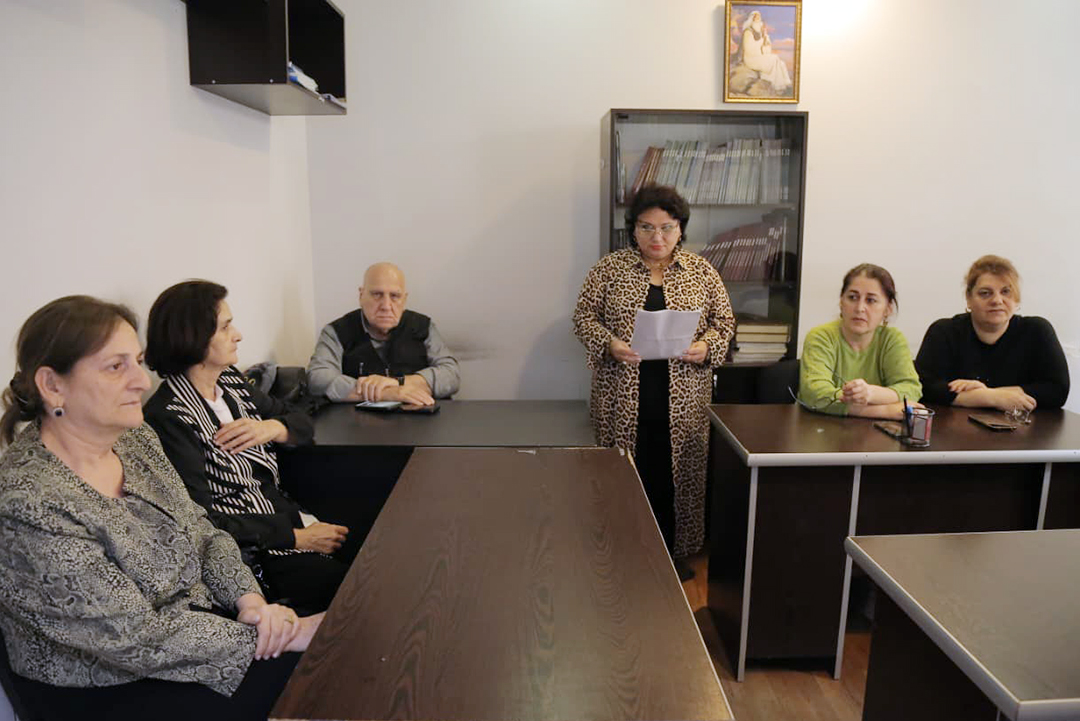
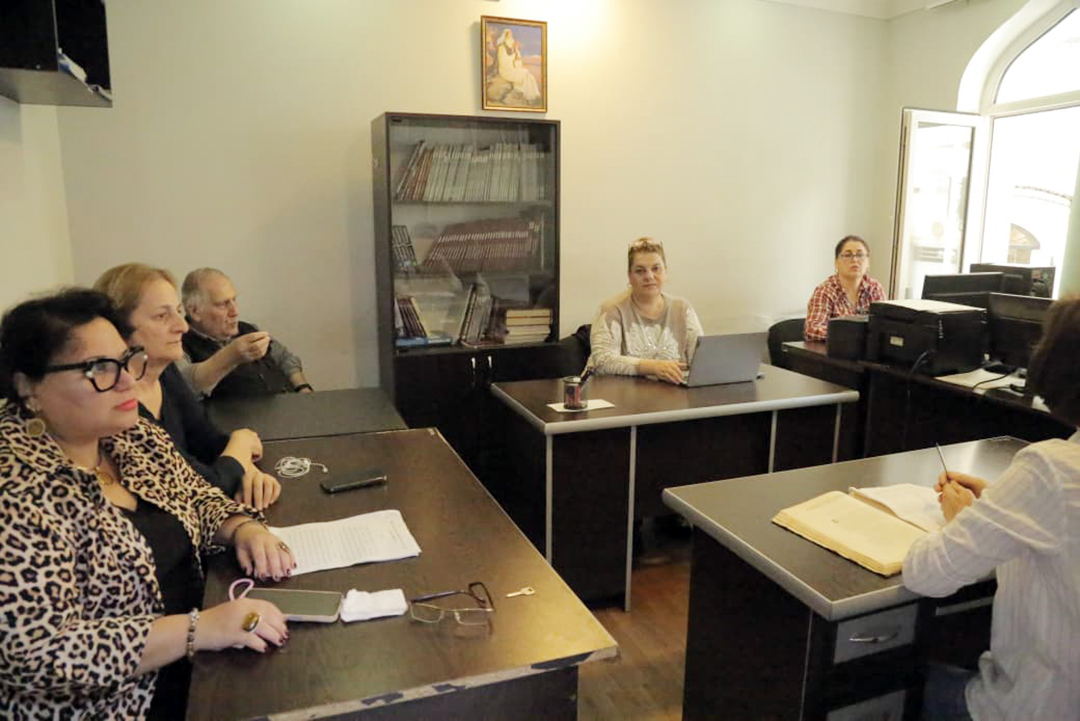
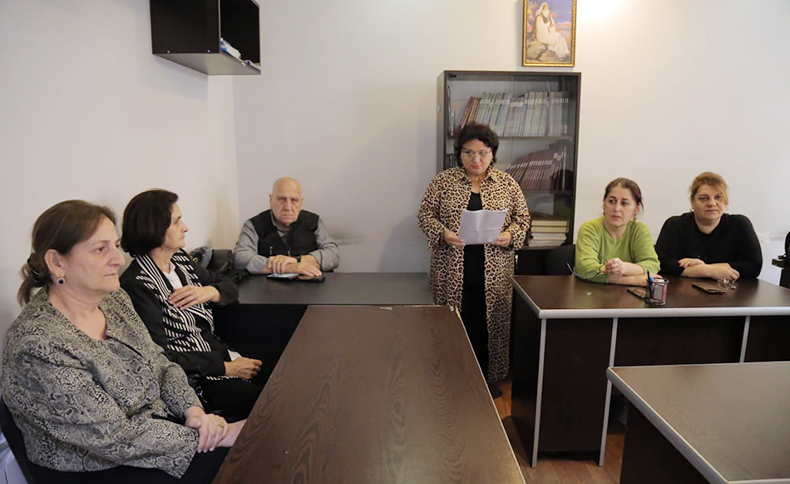
The regular scientific seminar was held at the Department of “Dede Gorgud” of the ANAS Folklore Institute. At the seminar, Naila Mirzayeva, a senior researcher of the department, made a presentation on the topic “Issues of researching the epic “The Book of Dede Gorgud” in modern Russian scientific publications.
The presentation provided information on the directions of researching the epic “The Book of Dede Gorgud” in modern Russian scientific publications, the history of the epic’s study and its place in the all-Turkic cultural heritage. The author noted that the epos was both an example of the Oghuz epic tradition and an important monument reflecting the historical memory, worldview and spiritual values of the Turkic peoples.
Naila Mirzayeva paid special attention to the scientific activity of Academician Vasily Vladimirovich Bartold, who laid the foundation for the study of the epic “The Book of Dede Gorgud” in Russian Oriental studies. His contributions to the translation and research of the epos, as well as his impact on subsequent Gorgud studies research, were noted.
The author mentioned that the idea found in Anikeyeva’s research that the epic incorporates chronologically different layers was of particular importance. Information was provided on the interaction of ancient Turkic mythological concepts with subsequent Islamic influences, as well as the position of the epos between oral and written traditions.
The presentation touched upon the comparative study of epic “The Book of Dede Gorgud” with epic monuments such as “Koroglu”, “Battalname” and “Danishmendname” as well as the issue of typological parallels with Byzantine and European epic traditions. The investigation of the connections of the epos with ancient Turkic runic inscriptions, Uyghur texts and medieval Turkic written monuments was also brought to attention.
In conclusion, the importance of continuing the multifaceted research of epic “The Book of Dede Gorgud” was mentioned. It was noted that investigating the Dresden and Vatican copies, as well as new manuscript materials, using modern scientific methods allows for a deeper study of the historical, cultural and folklore characteristics of the epos.
Following the presentation, an extensive exchange of views took place around the topic, and questions of interest to the participants were voiced. The questions were answered by the speaker, and discussions were held regarding the study of the epic in Russian Turkology and the topical issues of modern Gorgud studies.