
NEWS
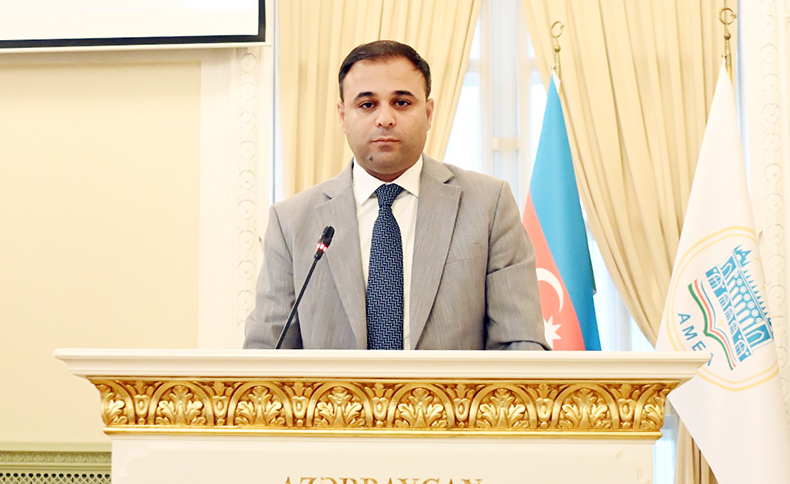
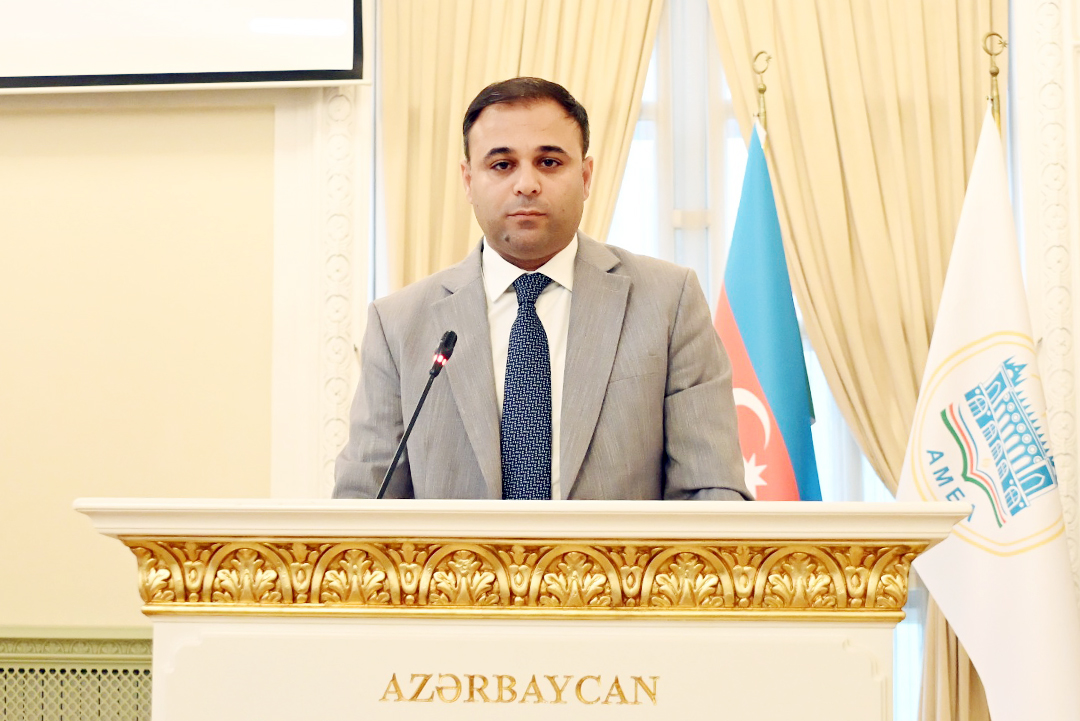
Hikmat Guliyev: “Folklore is both the memory of intercultural dialogue and a bridge to the future”
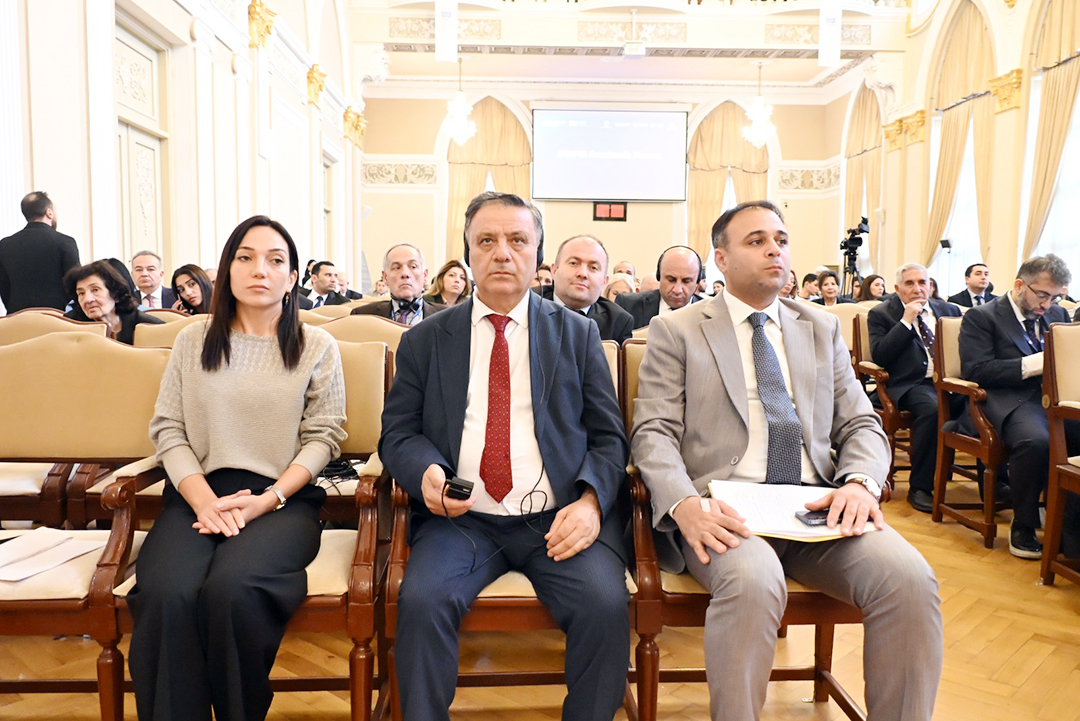
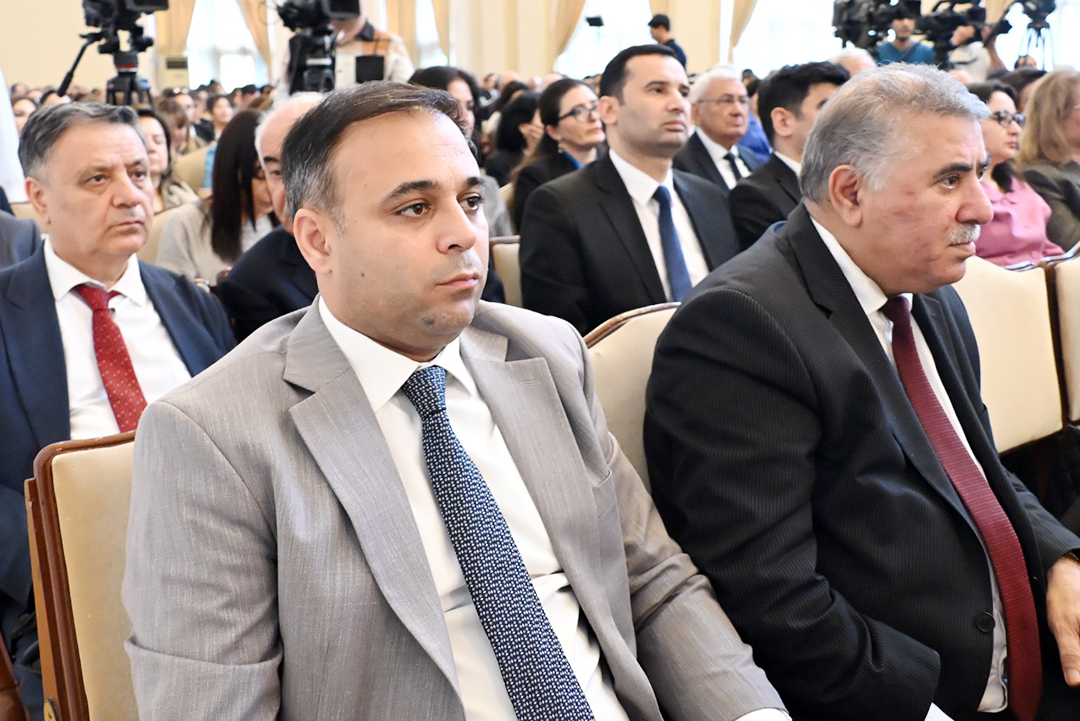
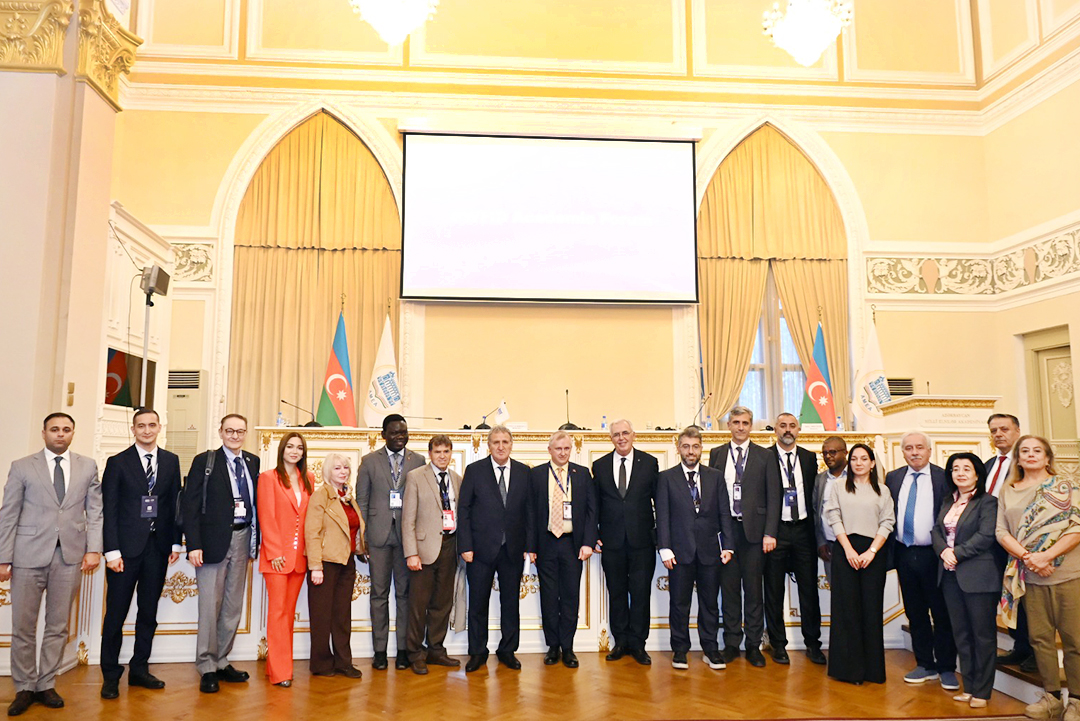
At the UNESCO-UNITWIN Academic Forum held within the framework of the 7th World Forum on Intercultural Dialogue, Hikmat Guliyev, Director of the ANAS Institute of Folklore and Doctor of Sciences in Philology, made a report titled “Folklore in Intercultural Dialogue: From Collective Memory to Digital Bridges”.
Presented in the panel “Intercultural Understanding and the Mission of the Humanities”, the report analyzed the role of folklore in preserving collective memory, forming national identity and developing mutual understanding among different cultures, based on modern theoretical approaches and the Azerbaijani experience.
Hikmat Guliyev noted that although globalization and digital technologies connect people more closely than ever before, this does not automatically create mutual understanding. The expansion of technological communication opportunities does not mean the disappearance of cultural differences. On the contrary, understanding how different worldviews, memory experiences and identity concepts interact sets new tasks for the humanities.
In the report, folklore was presented not merely as a collection of traditions preserved from the past, but as a dynamic cultural system that enables society to self-reflect, make sense of its experiences, and build relationships with others.
Special attention was paid to the Azerbaijani experience in the speech. Hikmat Guliyev mentioned the importance of the traditions of co-existence of various ethnic and cultural groups in our country from the perspective of intercultural dialogue. The transformation of folklore in the digital environment was separately analyzed in the report. Memes, rumors, jokes and collective fear narratives spread on social networks were characterized as ongoing forms of meaning-making of traditional folklore in new technological conditions. Algorithms can accelerate the spread of these contents and expand their public impact. However, an increase in digital connections does not mean an automatic deepening of intercultural understanding.
In his report, Hikmat Guliyev also touched upon the connection of folklore with sustainable development goals. In his opinion, the preservation of cultural heritage and respect for cultural diversity are important conditions for a sustainable future. Folklore can contribute to this process by making it possible to understand the worldviews, historical experiences, and spiritual values of different communities. However, for this to happen, folklore samples should be approached not only as an expression of national identity, but also as a scientific source for studying intercultural relations.
It was noted at the end of the report that the duty of the humanities was not to eliminate cultural differences, but to contribute to understanding their meaning and forming relations based on mutual respect. From this perspective, folklore is both a bearer of collective memory and a tool that expands the possibilities of dialogue between cultures. In the modern era, the realization of these opportunities requires the scientific study of traditional heritage, monitoring changes taking place in the digital environment and strengthening international scientific cooperation.