
NEWS
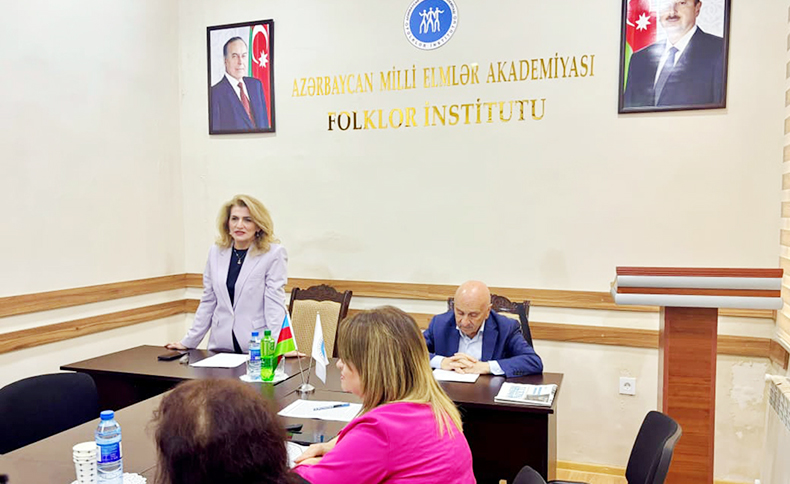
The novella “Labyrinth” was analyzed in the context of folklore memory and artistic thought
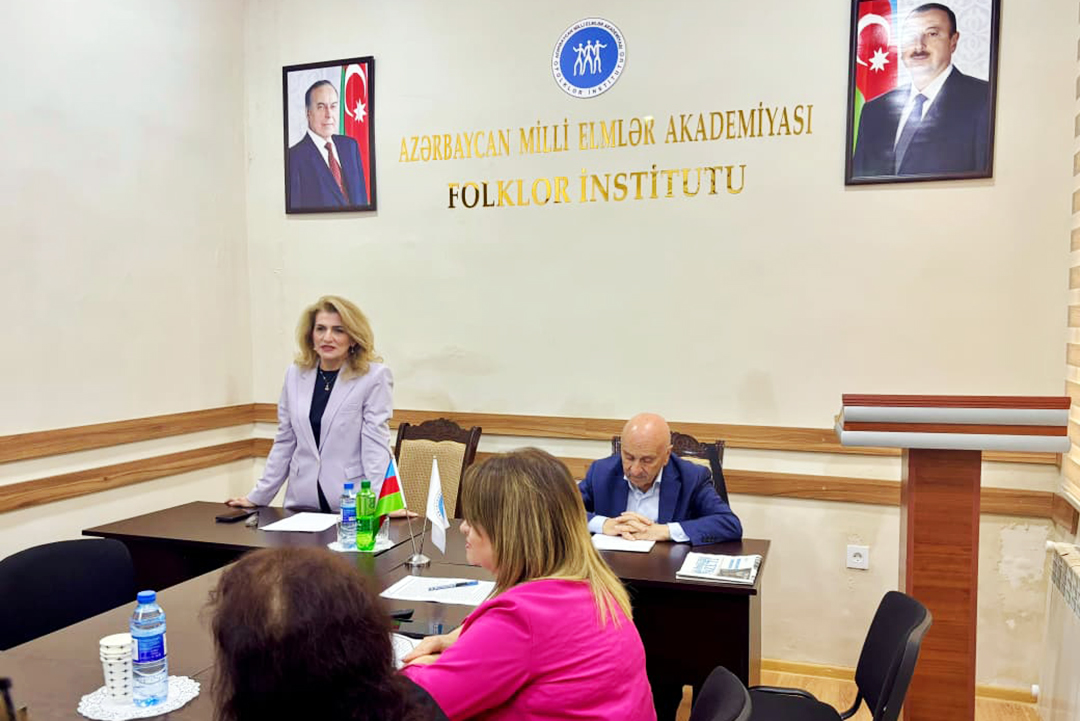
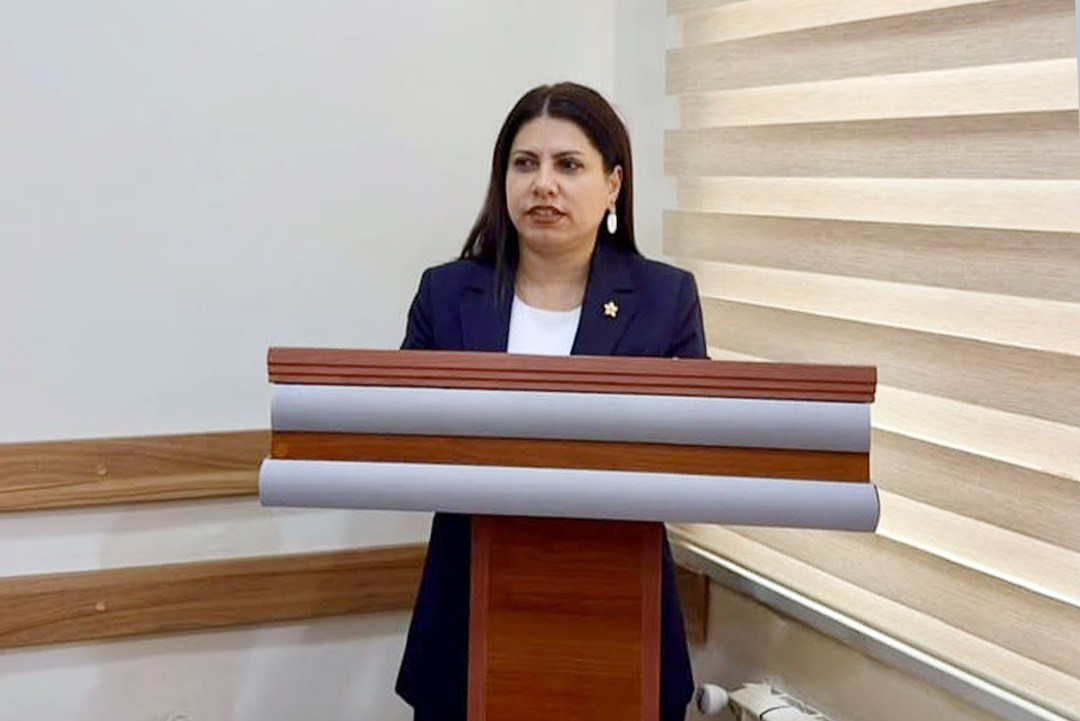
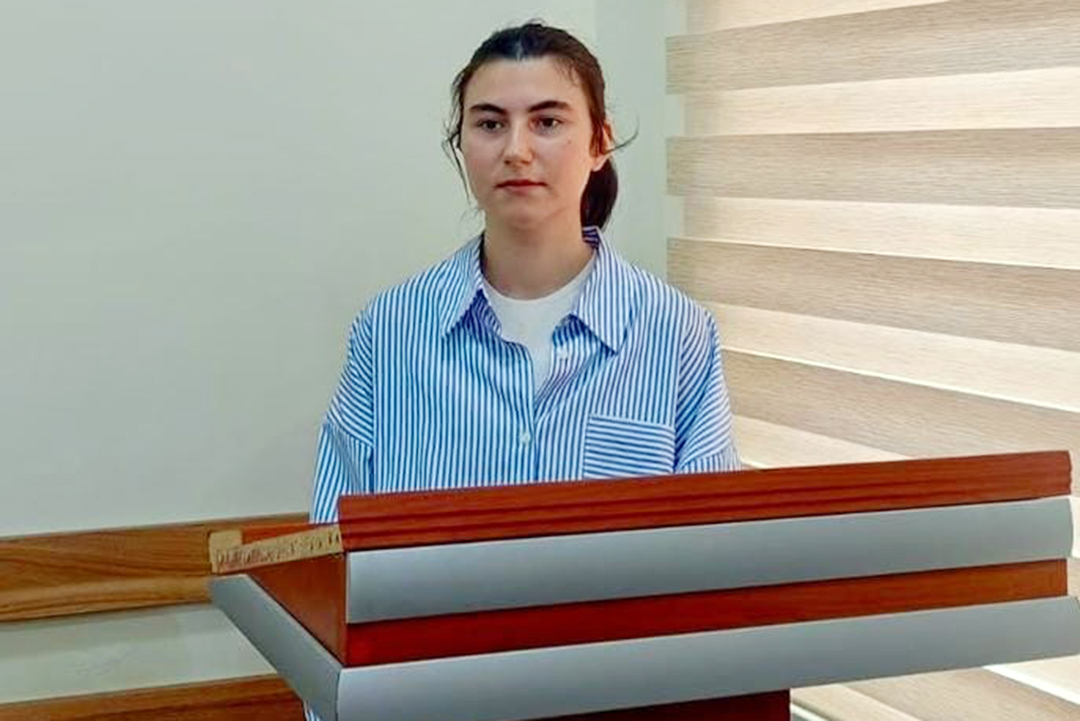
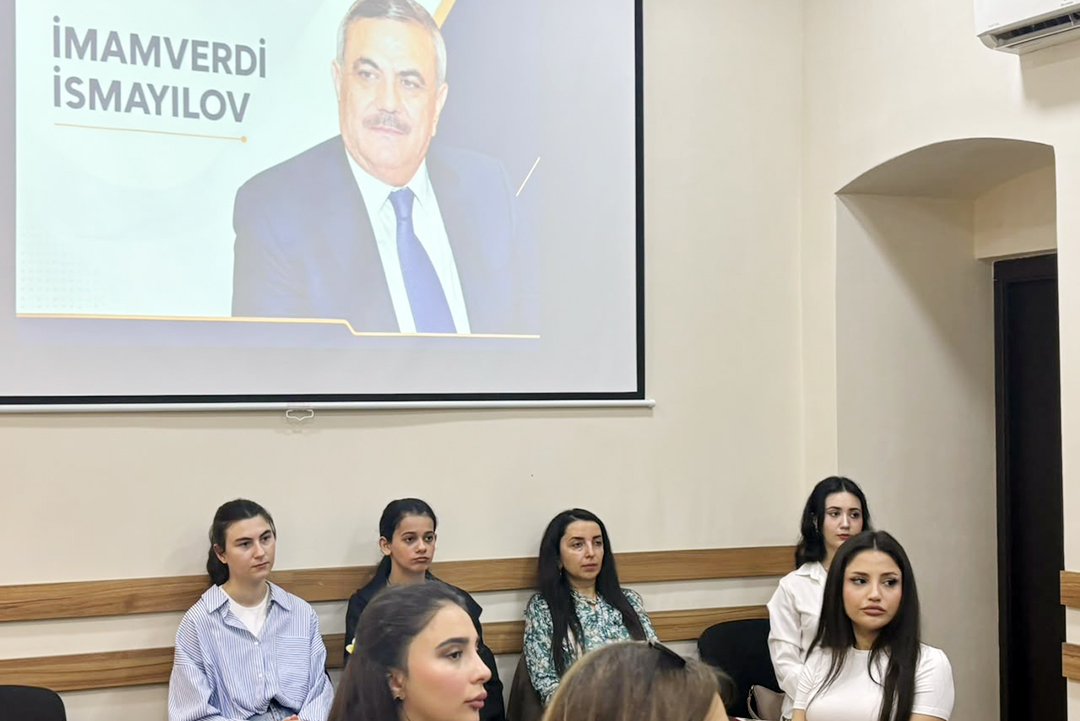
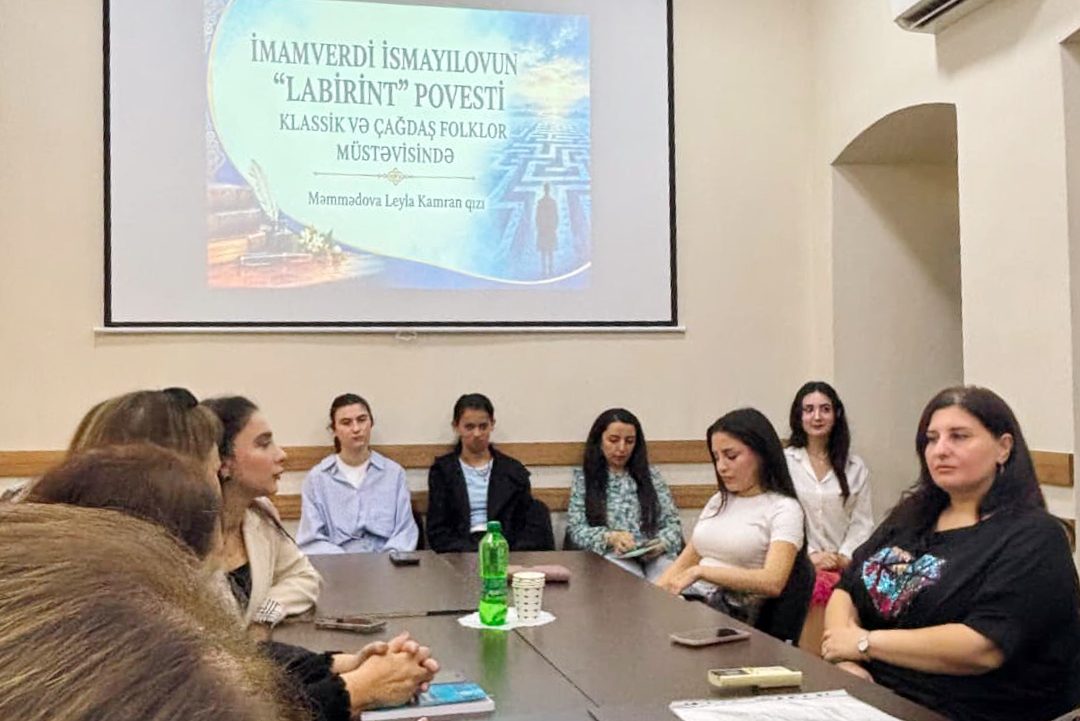
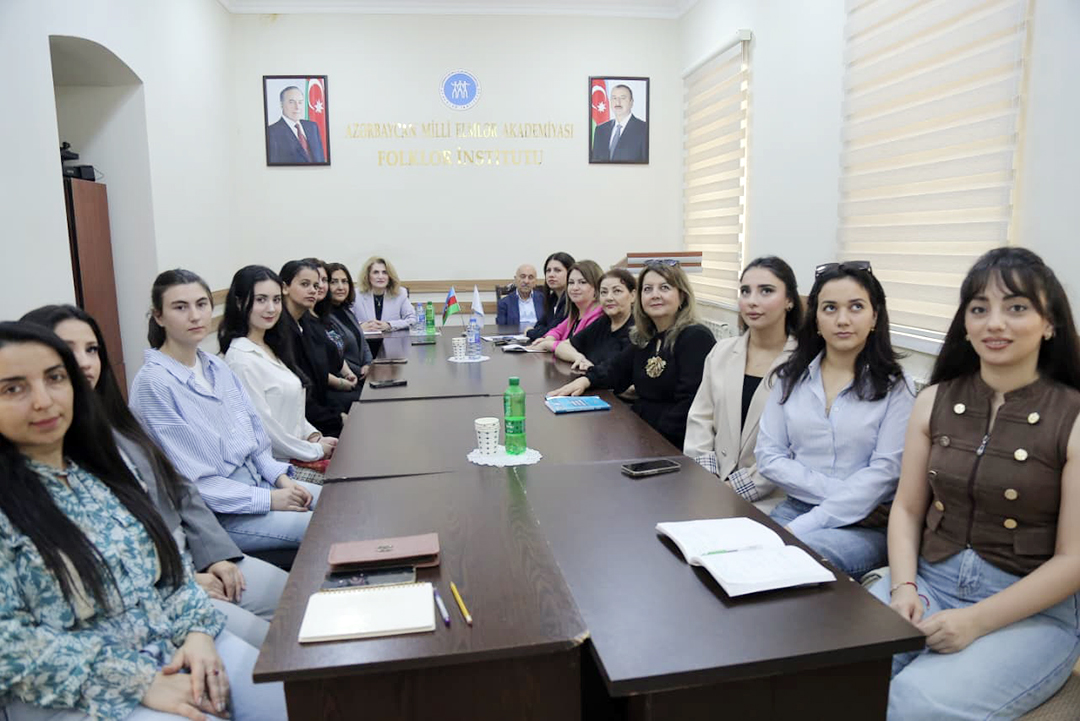
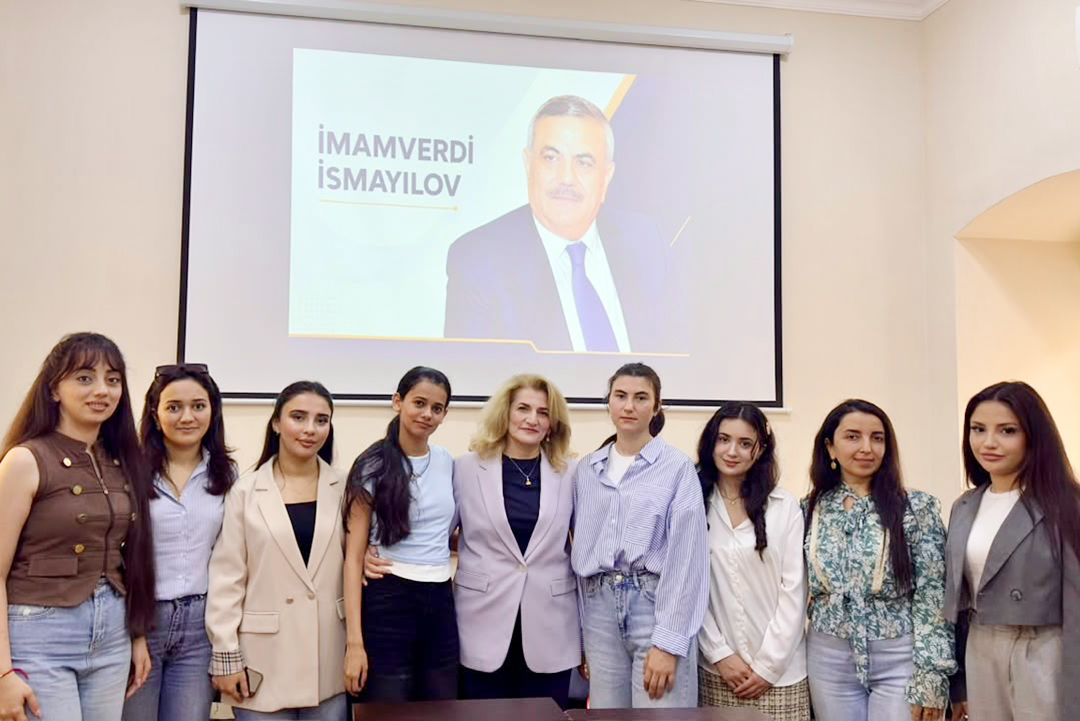
The seminar dedicated to the scholarly analysis of Labyrinth, a novella by renowned writer, publicist and member of Parliament Imamverdi Ismayilov, was held at the Department of Folklore and Written Literature of the Institute of Folklore of the Azerbaijan National Academy of Sciences (ANAS). Along with the department’s staff, students undertaking internships at the Institute of Folklore from Khazar University also attended the seminar.
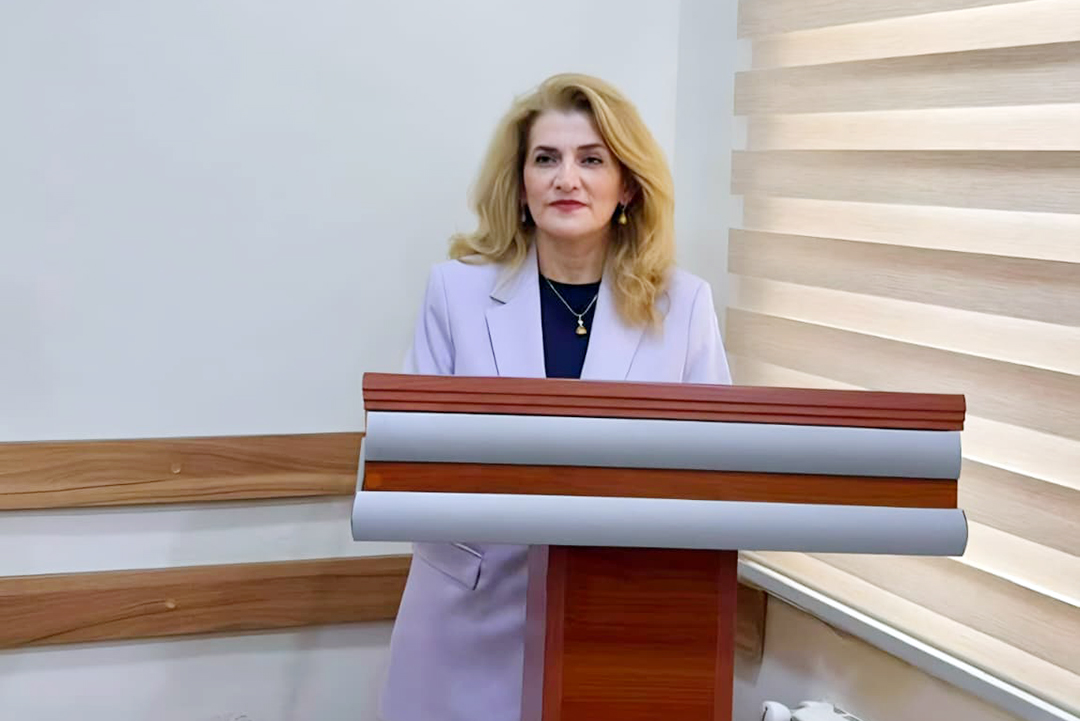
The event opened with a presentation by Leyla Mammadova, Head of the Department of Folklore and Written Literature, Doctor of Philological Sciences and Associate Professor, entitled “Imamverdi Ismayilov’s Novella Labyrinth in the Context of Classical and Contemporary Folklore”. The presentation examined the portrayal of the human inner world, psychological state and relationships with society within the novella’s artistic structure. Particular attention was paid to obsessive disorder, the protagonist’s loneliness and the artistic representation of folk beliefs concerning fate.
The speaker mentioned the importance of studying the ideas the author heard from his grandmother, mother and other family members during his childhood, as well as his distinctive style of expression and artistic devices, as a separate area of research. In her view, examining these materials was significant for understanding how traditional folklore motifs were reworked in contemporary prose, acquire new meanings in different contexts and interact with individual authorial creativity.
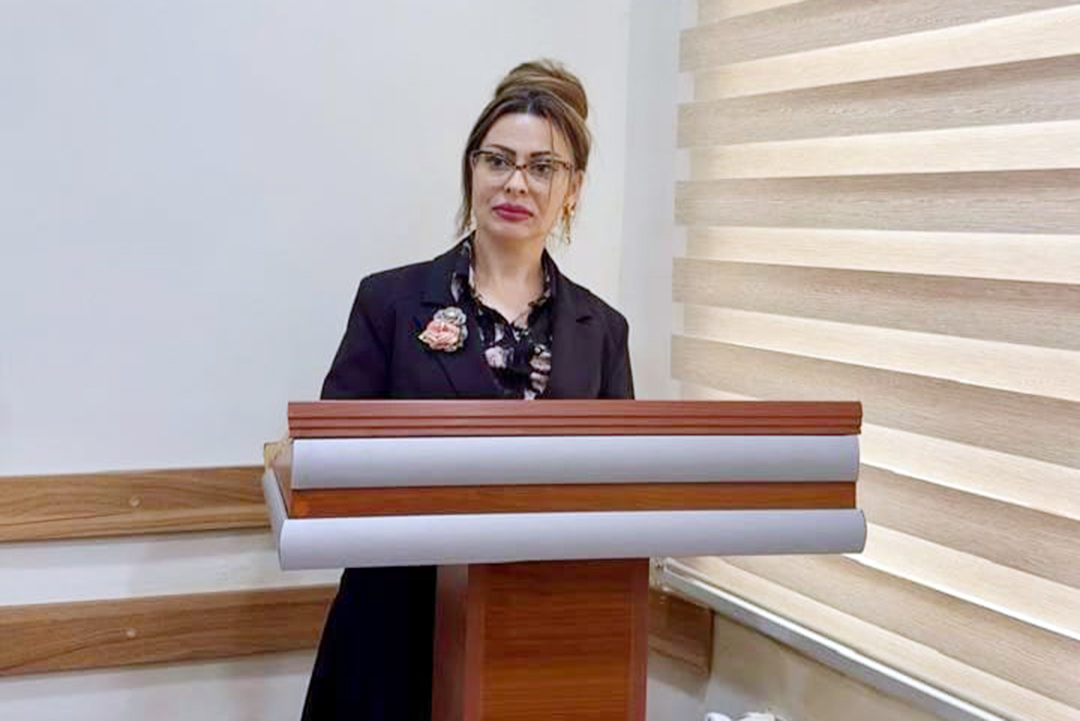
Then a presentation by Sevinc Aliyeva, PhD in Philology and Associate Professor, entitled “Labyrinth: The Lost Path, the Sought-After Home” was made. The speaker discussed the relationship between the theme of death and the protagonist’s inner fears, loneliness, regrets, and attempts to search for the meaning of life. She noted that the image of the labyrinth carries symbolic significance, bringing together the protagonist’s thoughts, memories and unanswered questions while expressing the complexity of his inner world.
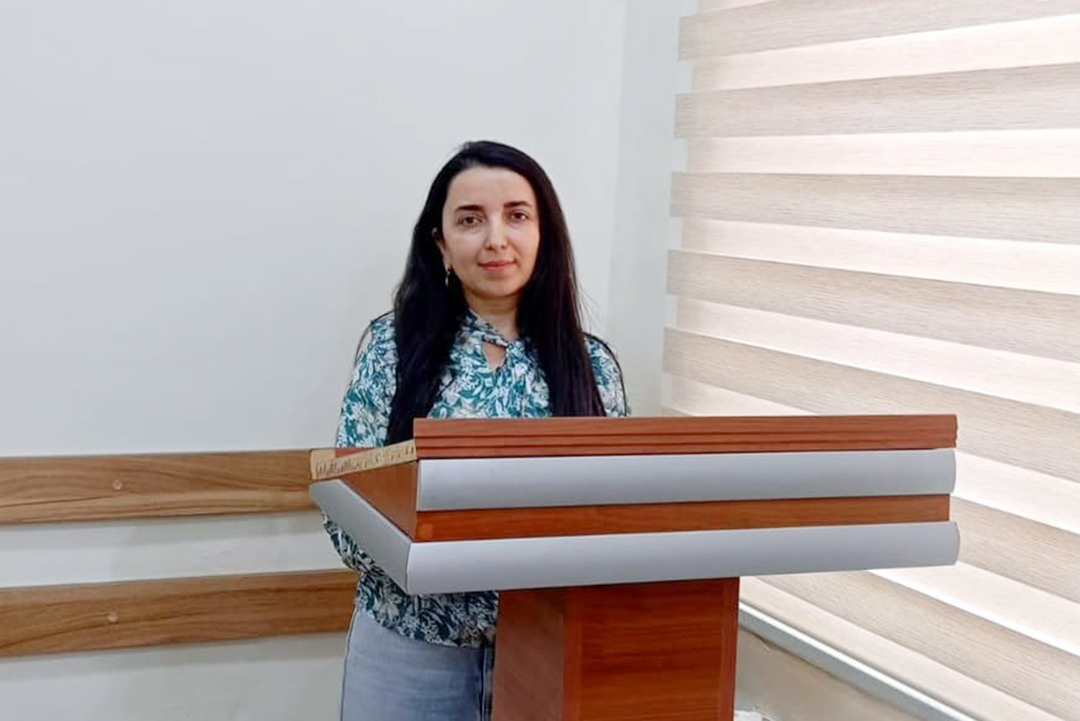
Gulnar Osmanova, PhD in Philology and Associate Professor, made a presentation entitled “Folklore Codes and Philosophical Content in the Novella Labyrinth”. She focused on the use of folklore elements within new artistic and philosophical contexts in contemporary Azerbaijani prose. Gulnar Osmanova noted that folkloric thought and philosophical reflection interact throughout the work, with national and cultural memory informing the artistic interpretation of universal themes such as life and death, time and memory, loneliness and hope.
The seminar was also continued a presentation by Khayala Aghayeva, PhD in Philology, entitled “The Artistic and Psychological Manifestations of Folklore Memory in the Novella Labyrinth”. The speaker interpreted the folk sayings and proverbial expressions featured in the work in the context of the characters’ life experiences, attitudes toward fate and moral choices. She mentioned the importance of distinguishing between traditional folklore materials and the author’s original expressions inspired by folkloric style for the purposes of scholarly analysis. The presentation also explored the image of the mother, the Novruz celebration and the tradition of lighting bonfires, folk beliefs concerning death and mourning and the interaction between individual and collective memory.
At the conclusion of the seminar the participants exchanged views on the presentations and questions concerning the analysis of the novella from the perspectives of folklore studies, literary criticism and philosophical thought were addressed.