
NEWS
Hikmat Guliyev: “The Legacy of Ashiq Huseyn Sarajli Should Be Studied Through New Theoretical and Methodological Approaches in Contemporary Folkloristics”
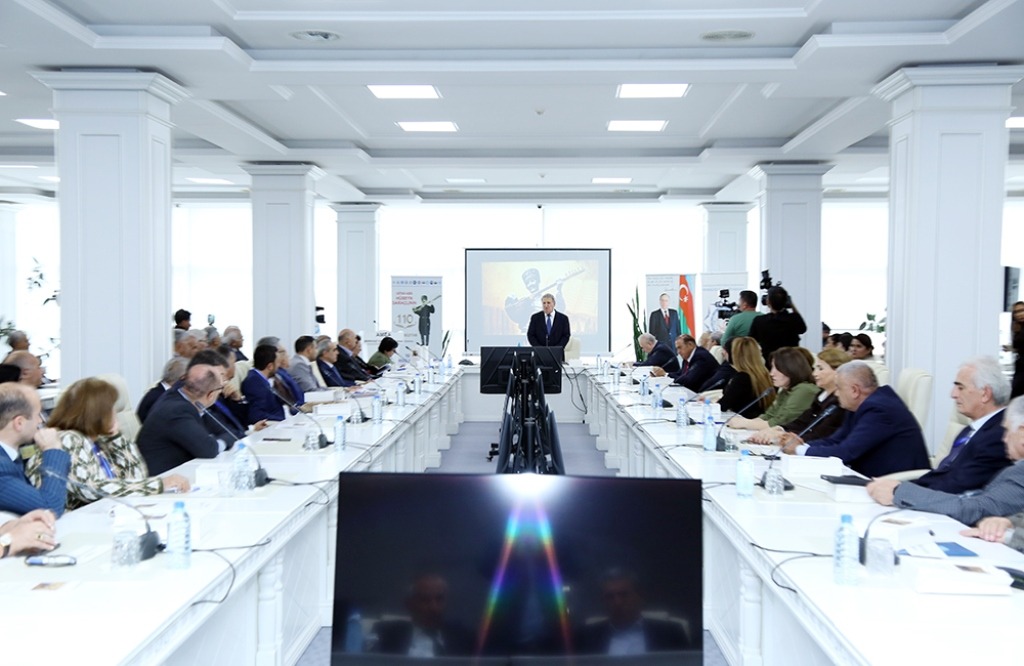
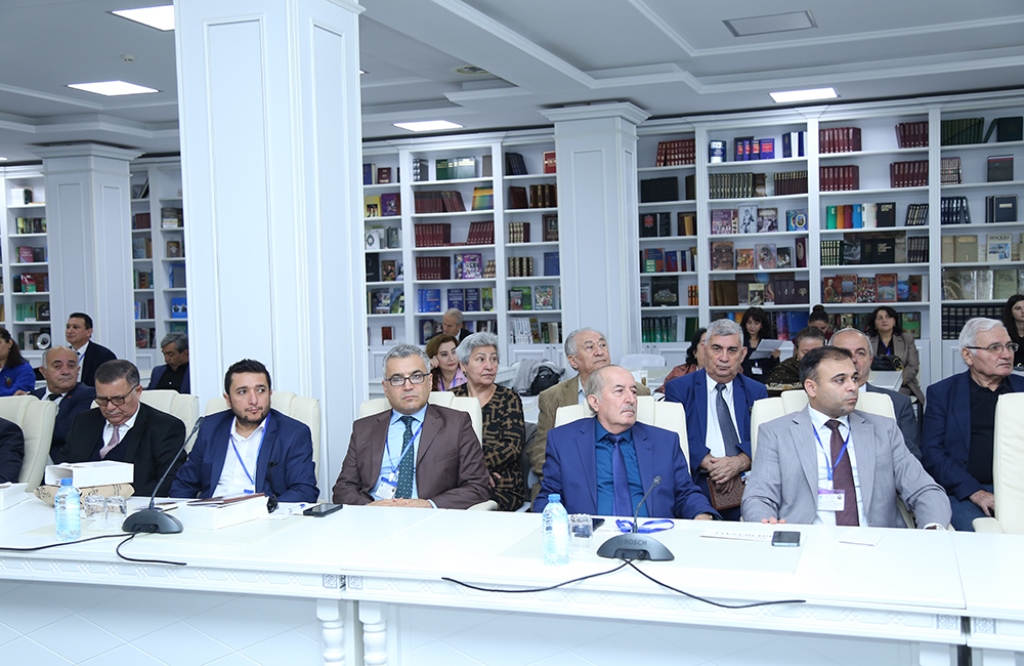
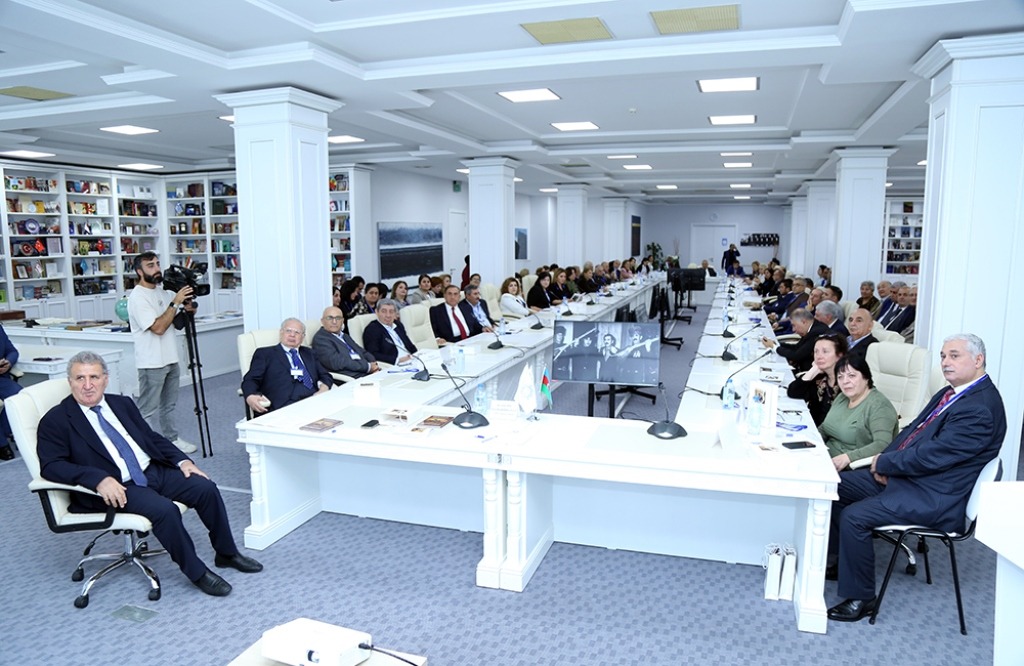
On October 8–10, the international scientific conference entitled “Ashiq Art: Its Formation, Stages of Development and Contemporary Directions” was being held at the Central Scientific Library of ANAS. The conference was dedicated to the 110th anniversary of the birth of master Ashiq Huseyn Sarajli and was organized with the joint support of the Azerbaijan National Academy of Sciences (ANAS), the Ministry of Culture of the Republic of Azerbaijan, the Institute of Literature named after Nizami Ganjavi, the Institute of Linguistics named after Nasimi, the Institute of Folklore of ANAS and the Azerbaijan Ashiqs Union. Alongside Azerbaijani scholars, researchers from Georgia, Türkiye, Germany, Bulgaria and Central Asian republics were participating in the event.
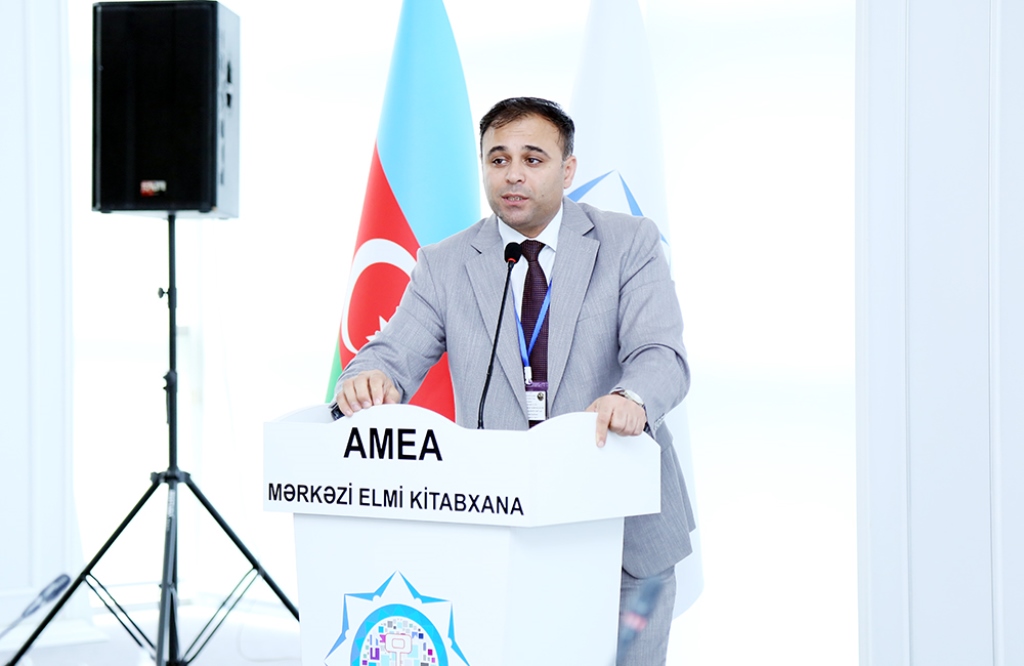
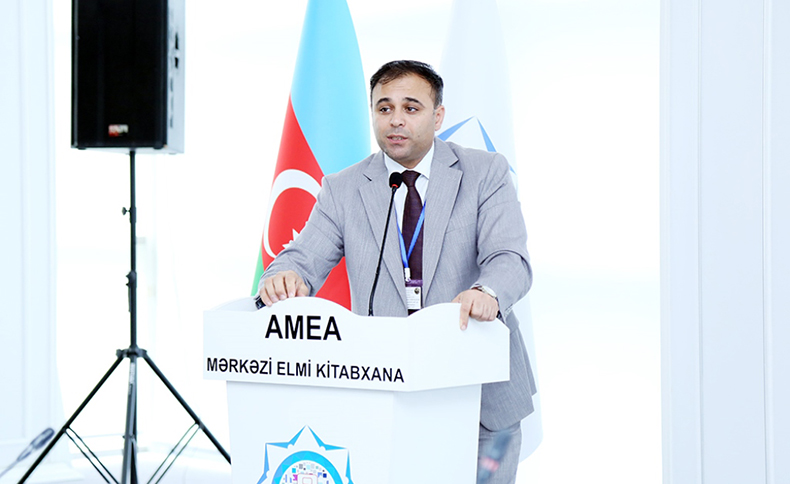
At the conference, Hikmat Guliyev, Director of the Institute of Folklore of ANAS and Doctor of Sciences in Philology, made a report addressing the study of the artistic legacy of master performer Huseyn Sarajli through the theoretical and methodological approaches of contemporary folkloristics.
Hikmat Guliyev noted that the creative legacy of Ashiq Huseyn Sarajli should primarily be examined within the context of the historical and cultural characteristics of the Borchali ashiq tradition in which it developed.
Hikmat Guliyev mentioned that the comparative study of Azerbaijani ashiq art alongside the traditional art forms of Turkic peoples also opened up new scholarly perspectives.
The scholar emphasized that the collection, scholarly classification and digitization of these materials could make it possible to investigate not only the biographical and poetic dimensions of Ashiq Huseyn Sarajli’s activity, but also his performance techniques, repertoire, artistic milieu and relationship with audiences. In this regard, digital archives are significant not merely as repositories preserving materials from the past, but as spaces of scholarly memory that enable researchers to analyze the socio-cultural contexts and performative characteristics of folklore materials.