
NEWS
Reports on Calendar Traditions and Culinary Culture Presented at the Institute of Folklore
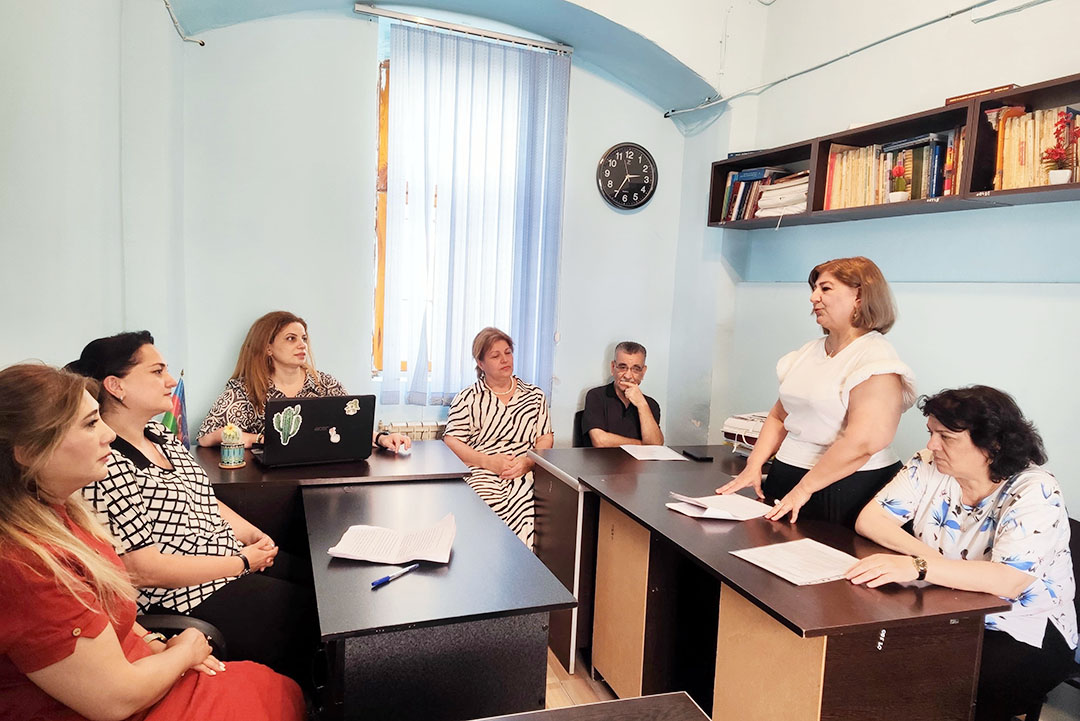
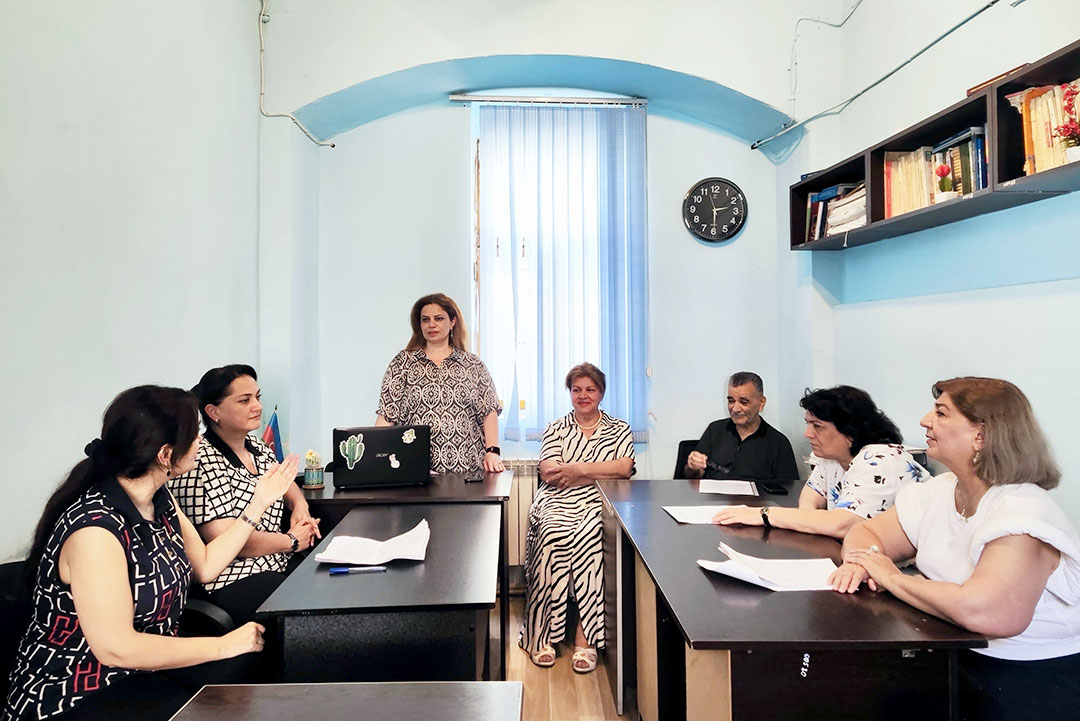
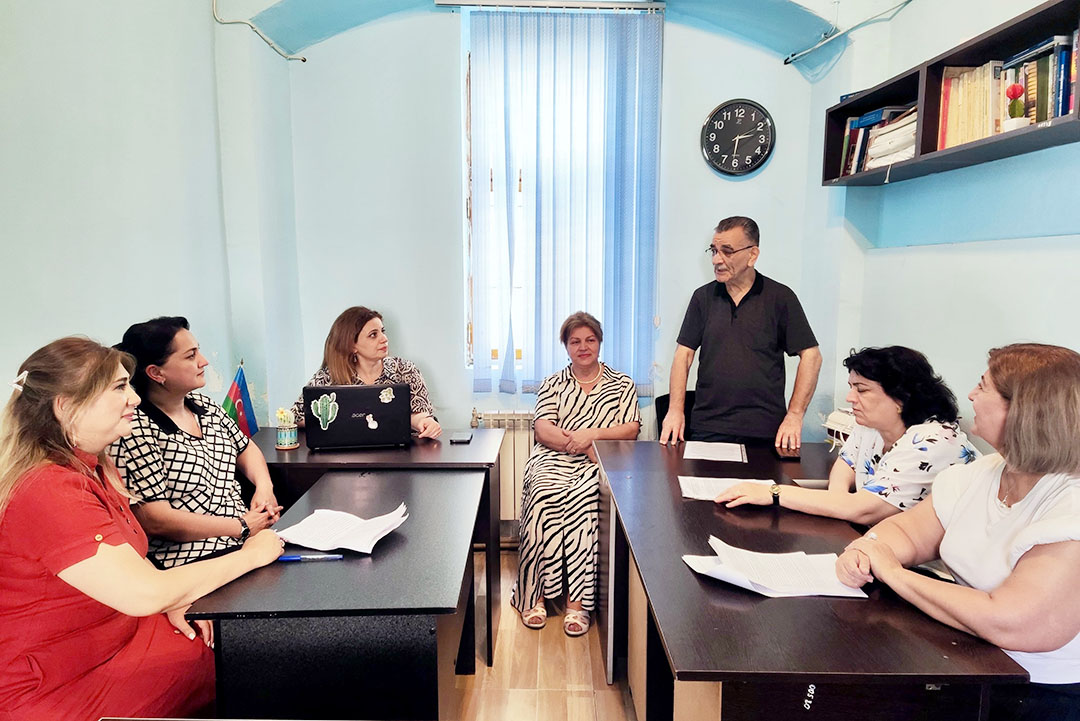
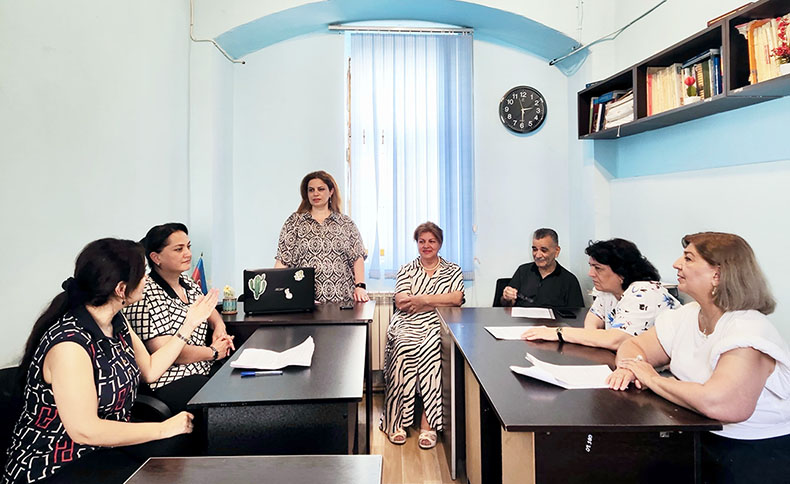
The Department of Ritual Folklore and National Culinary Traditions of the Institute of Folklore of the Azerbaijan National Academy of Sciences (ANAS) held its latest academic seminar. During the event the presentations were made by PhD, Associate Professor Vefa Ibrahim on the theme “The History and Functions of Calendars among the Peoples of Azerbaijan and Great Britain” and the research fellow of the Department by Matanat Khalilova on the theme “Culinary Practices and Cultural Memory in Domestic Rituals”.
In her presentation Associate Professor Vafa Ibrahim noted that the calendar was one of the most important cultural and scientific mechanisms through which human societies organized and conceptualize time. She explained that the emergence of calendars was closely connected with humanity’s observation of nature. In the context of folklore, the calendar functions not only as a system of timekeeping, but also as an expression of collective memory and mythological thought. Folk calendars represent a synthesis of observations, beliefs and rituals accumulated over millennia. In folklore studies, calendar folklore is regarded as a distinct genre system encompassing proverbs, folk beliefs, ritual songs, seasonal ceremonies, divinatory practices and belief-related expressions.
The researcher also mentioned that in European folklore, calendar and seasonal beliefs similarly evolved over centuries as a synthesis of agrarian observations, religious traditions and mythological concepts.
The second presentation entitled “Culinary Practices and Cultural Memory in Domestic Rituals” was made by Matanat Khalilova. She mentioned that food and culinary practices, as one of the most fundamental components of culture, played a vital role in shaping the social organization, value systems and collective memory of human societies. She noted that food was not merely a means of satisfying biological needs but also a complex cultural phenomenon carrying symbolic meanings, regulating social relations and expressing cultural identity.
Matanat Khalilova further noted that culinary practices in Azerbaijani domestic life were distinguished by their deep historical roots and multilayered semantic content. Extending from everyday eating habits to festive and ceremonial tables, these practices contribute both to the establishment of social relationships within the family and to the formation of collective identity.
The seminar continued with scholarly discussions. Following the presentations PhD, Associate Professor Atash Ahmadli, PhD, Associate Professor Fidan Gasimova, PhD, Associate Professor Ilhama Gasabova, PhD Shahla Huseynli, Khazangul Mammadova and Akifa Khalilova shared their academic observations and evaluations of the research presented, while also wishing the speakers continued success in their future scholarly work.