
NEWS
Ceremonial culture, national cuisine and religious beliefs were discussed at the Institute of Folklore
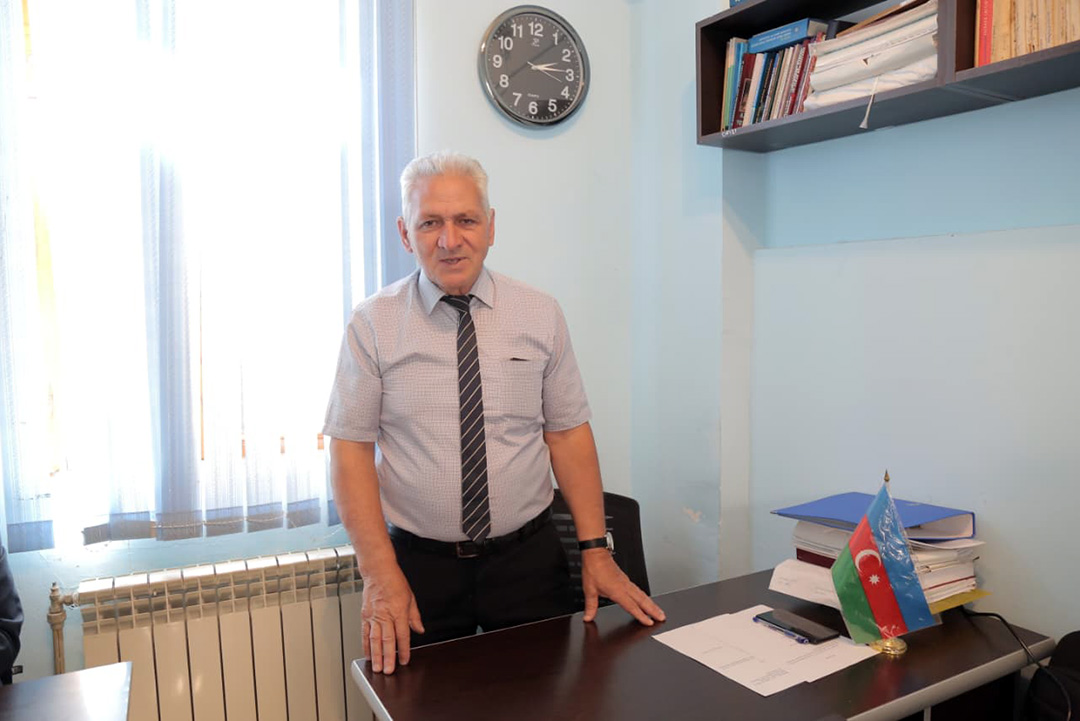
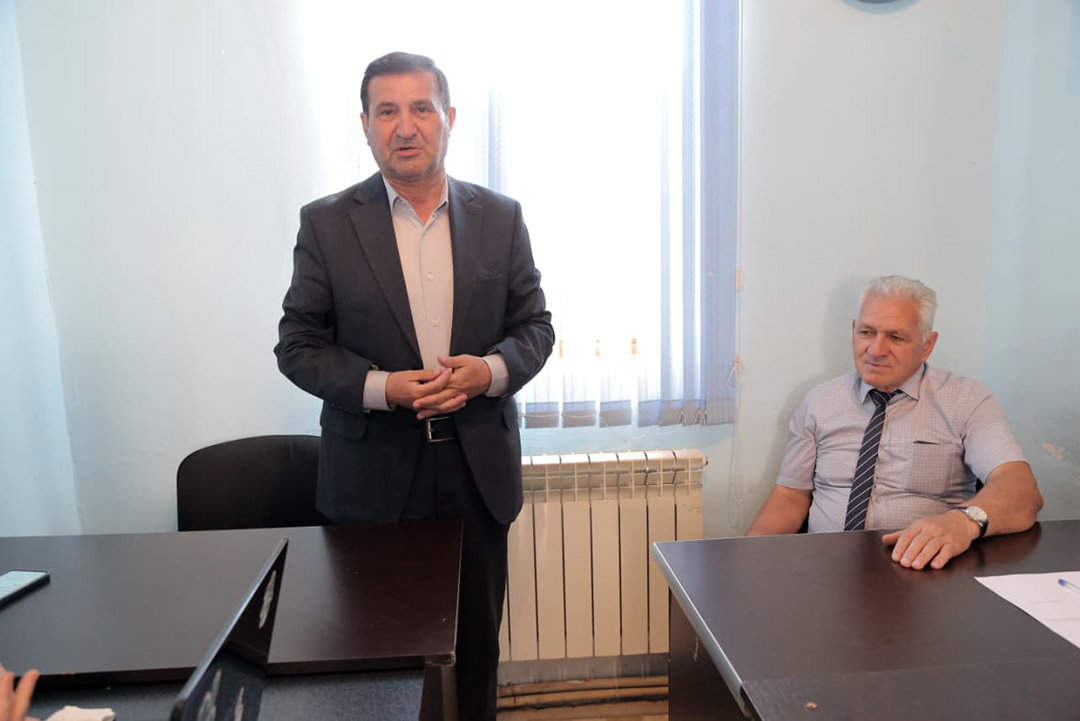
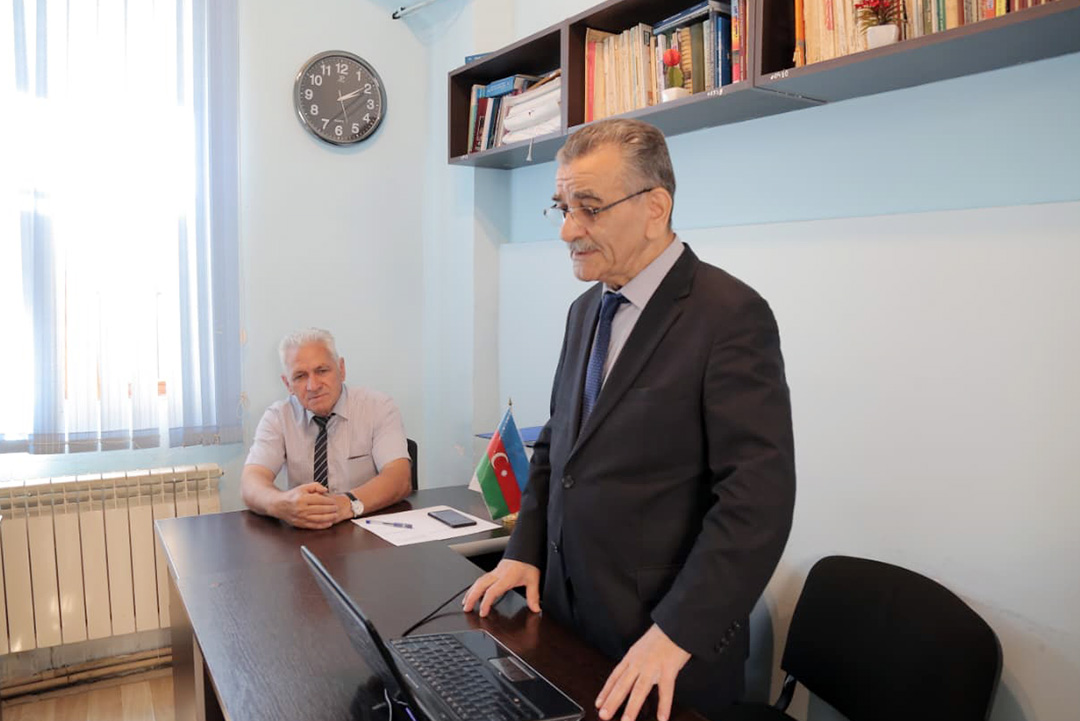
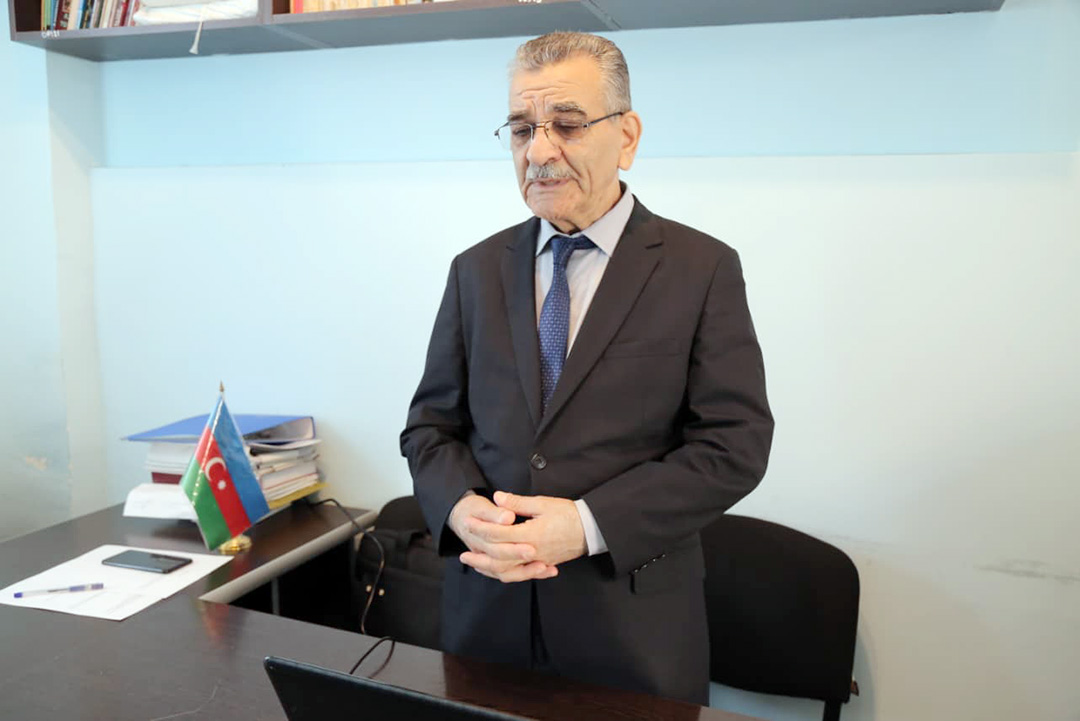
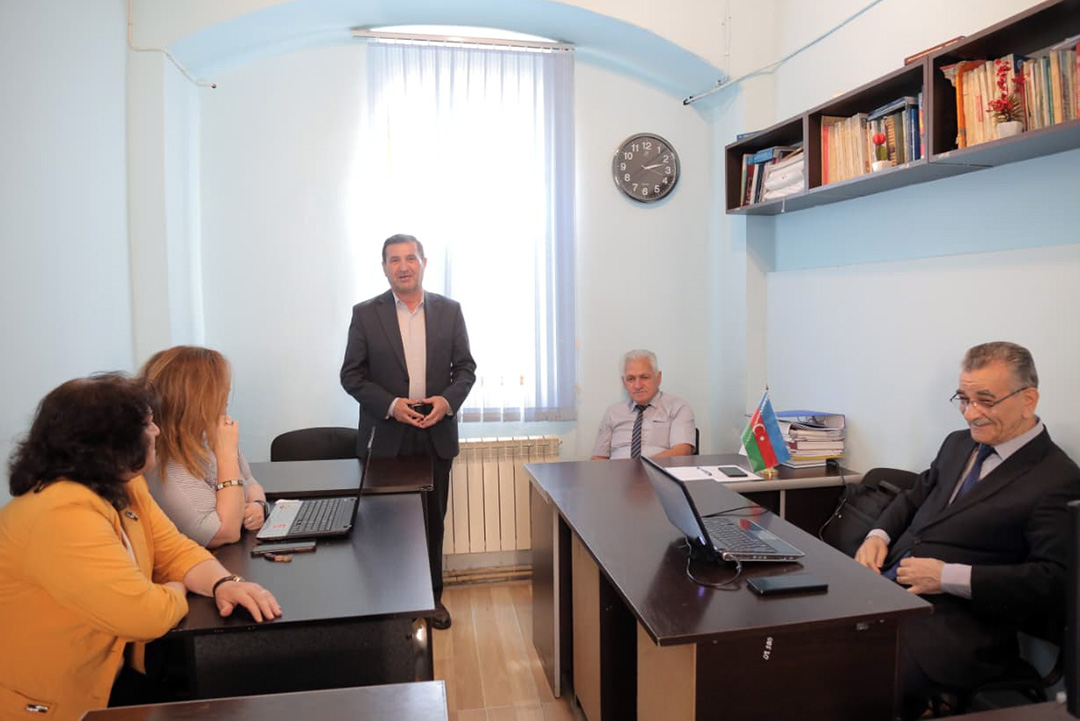
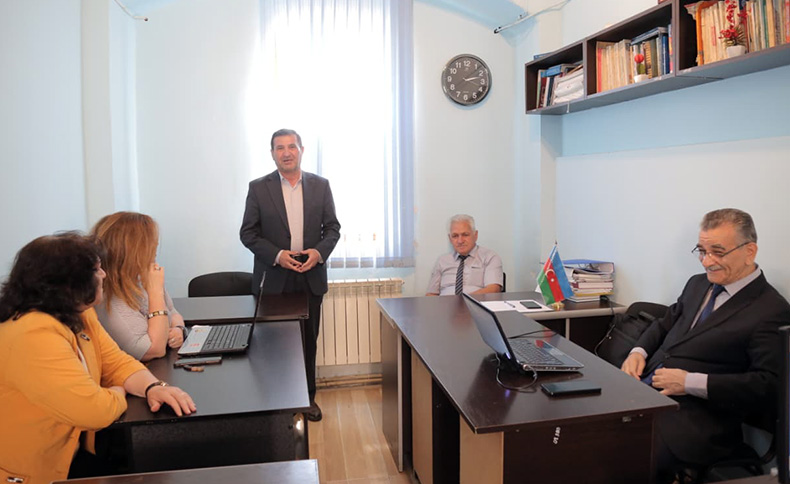
The Department of Ceremonial Folklore and National Culinary Traditions of the Institute of Folklore of the Azerbaijan National Academy of Sciences (ANAS) held its regular academic seminar. During the seminar the presentations were delivered by PhD, Associate Professor Atesh Ahmadli on the topic “Ceremonial Dishes in the Cuisine of Goychay” and by PhD, Associate Professor Atif Islamzade on the topic “Belief in the One God in Ceremonial Folklore as a New Classification”.
PhD, Associate Professor Atesh Ahmadli mentioned that the Goychay district was one of Azerbaijan’s regions distinguished by its rich culinary traditions. He noted that the preparation of special dishes and the arrangement of ceremonial tables for weddings, engagements, funeral ceremonies, Novruz celebrations and other traditional occasions were regarded as important expressions of both hospitality and national customs.
According to the researcher, wedding celebrations and festive occasions in Goychay traditionally feature various types of pilaf, dolma, kufta and kebabs as the main dishes. Pilaf, in particular, was considered a symbol of abundance and prosperity and therefore constituted an indispensable element of wedding banquets. Pomegranates, one of Goychay’s signature agricultural products, were also widely used in the local cuisine, with pomegranate molasses and pomegranate juice adding distinctive flavor to a variety of meat dishes.
Atesh Ahmadli further noted that funeral ceremonies were traditionally accompanied by simpler meals, including pilaf, bozbash, various soups and bread. These dishes were prepared as a sign of respect and reverence for those attending the ceremony. In concluding his presentation, he noted that the ceremonial cuisine of Goychay represented one of the significant cultural values reflecting the people’s ancient traditions, hospitality and national heritage.
The seminar continued with the presentation by PhD, Associate Professor Atif Islamzade entitled “Belief in the One God in Ceremonial Folklore as a New Classification”. According to the researcher, the concept of belief in the One God constitutes one of the fundamental principles underlying mythology and folklore. He mentioned that this belief was present in most folklore texts either explicitly or in a metonymic form. Since a community’s worldview was naturally reflected in all aspects of its cultural activity, he noted the necessity of conducting comprehensive research on this concept within folklore studies.
The speaker expressed regret that, the belief in the One God had not been examined comprehensively within Azerbaijani folklore. He noted that such a limitation was understandable during the Soviet period, when the prevailing materialist-atheist ideological system prevented research in this field. However, he also observed that the absence of extensive studies during the years of independence remained a matter of concern.
As part of his research, PhD, Associate Professor Atif Islamzade proposed, for the first time, the inclusion of a new category in the classification of ceremonial folklore entitled “Belief in the One God, or the Belief-Based Equivalence of Tanri (God) and Allah”. He further explained that the current classification of ceremonial folklore did not include two of the most widely celebrated religious festivals among the Azerbaijani people Eid al-Adha and Eid al-Fitr (Ramadan Bayram). In his view, these religious holidays should also be incorporated into the classification system and become subjects of systematic scholarly research.
The seminar concluded with an extensive discussion of the presentations. Head of the Department of Ceremonial Folklore and National Culinary Traditions, Doctor of Sciences in Philology, Associate Professor Agaverdi Khalil, together with PhD, Associate Professor Vafa Ibrahim, PhD Shahla Huseynli, PhD Surayya Alizade, senior researcher Khazangul Mammadova and senior researcher Matanat Khalilova shared their academic observations and evaluations of the research presented during the seminar and wished the presenters continued success in their future scholarly endeavors.