
NEWS
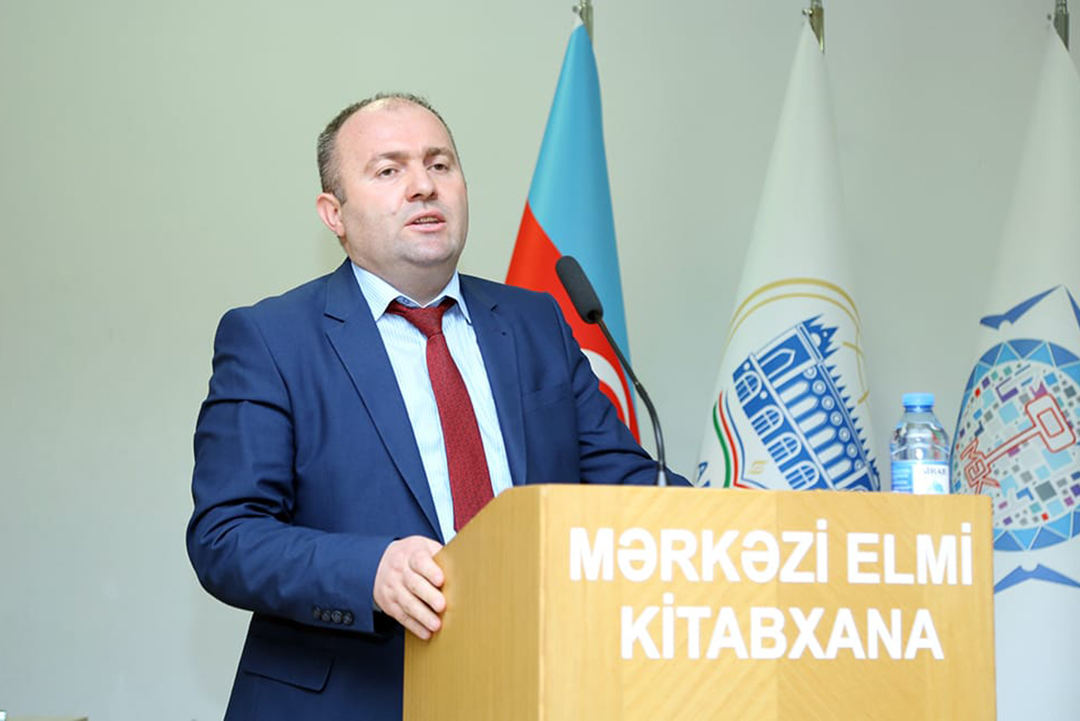
Doctor of Sciences in Philology Safa Garayev: “Social anthropology can become an operational scientific field capable of uniting Turkological directions”
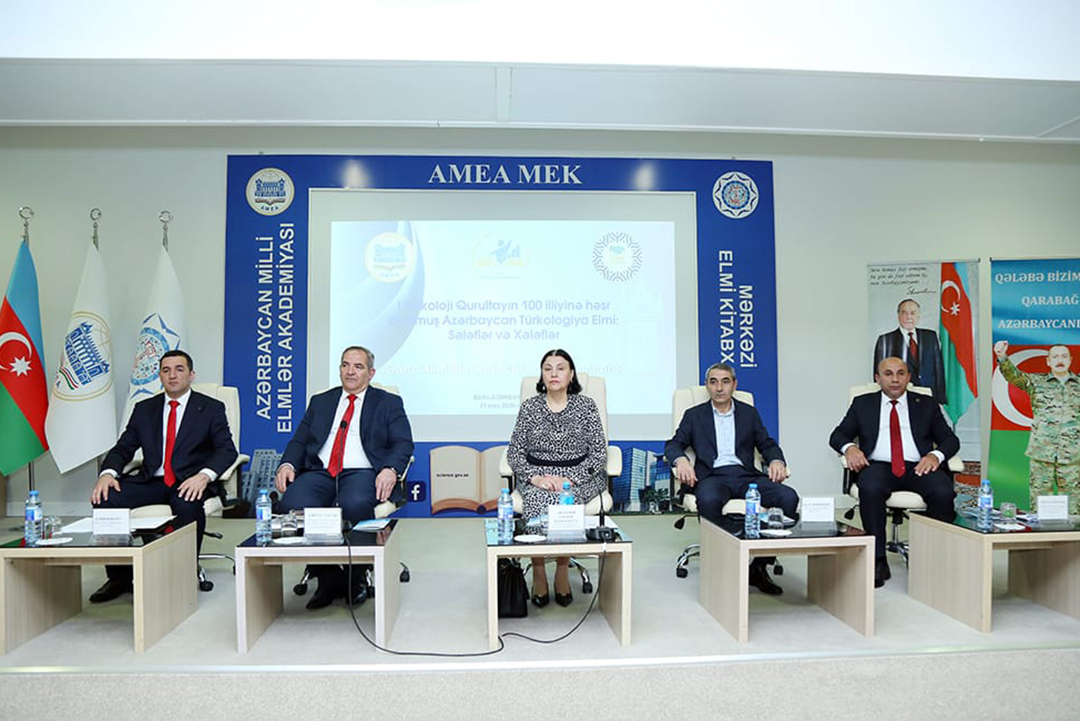
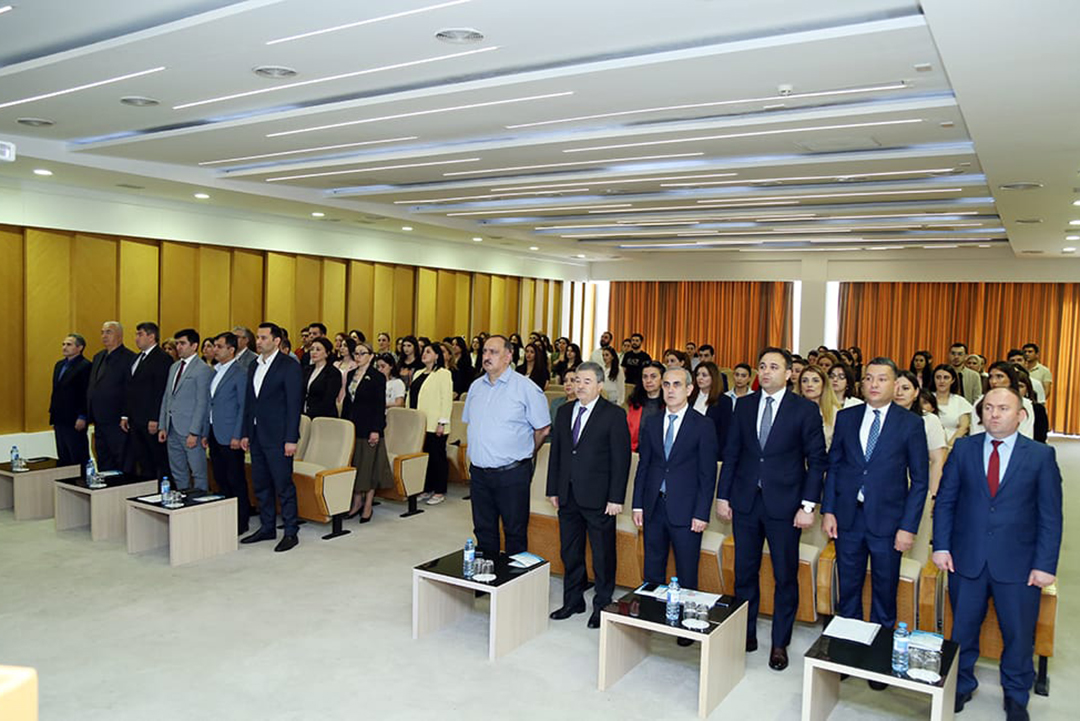
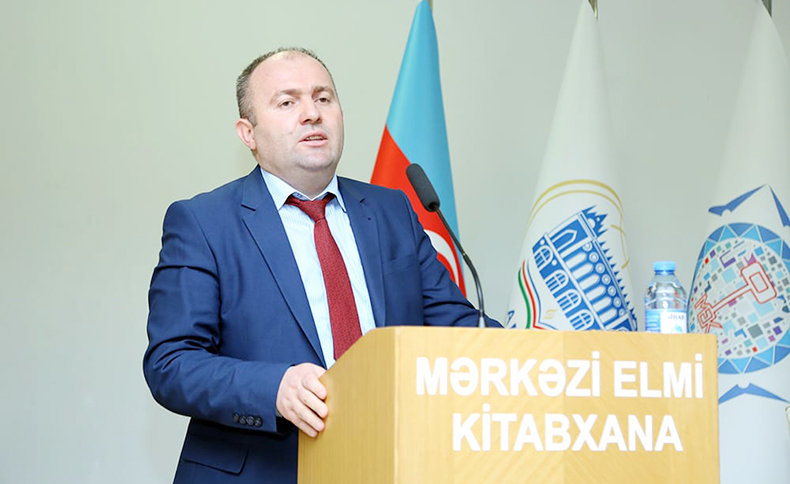
These words were made by Doctor of Sciences in Philology Safa Garayev, the leading researcher of the Institute of Folklore of ANAS, during the plenary session of the republican scientific conference of young scholars dedicated to the theme “Azerbaijani Turkological Science: Predecessors and Successors”.
The scholar noted that the future development of Turkology also depended on strengthening its integrative character that combined various branches of science. However, such integration cannot be achieved solely on the basis of a common research object. For this purpose, it was necessary to establish a shared theoretical and methodological platform capable of bringing together Turkological linguistics, Turkological folklore studies, Turkological literary criticism, Turkological ethnography, Turkological history, Turkological philosophy, Turkological cultural studies and other related fields.
In his speech Safa Garayev also mentioned the current state of folklore studies, noting that in the majority of Turkic nations, especially within the post-Soviet space, folklore studies still largely remain at the stage of collecting and describing materials. In the modern era, however, the primary task was not merely to collect materials, but to interpret them through contemporary theoretical models. Investigating folklore through the perspectives of social anthropology, performance theory, semiotics, psychoanalysis and other modern methodological approaches could elevate both Turkological folklore studies and Turkology as a whole to a higher theoretical level.
In conclusion, the scholar mentioned that in the contemporary world, the capacity of any scientific discipline to survive and develop was determined by its potential to generate new knowledge. From this perspective, Turkology should function not only as a field studying shared historical and cultural heritage, but also as a system that produced new theoretical propositions, contributed to global scientific discourses and presented new knowledge to the world’s scientific and cultural industries.