
NEWS
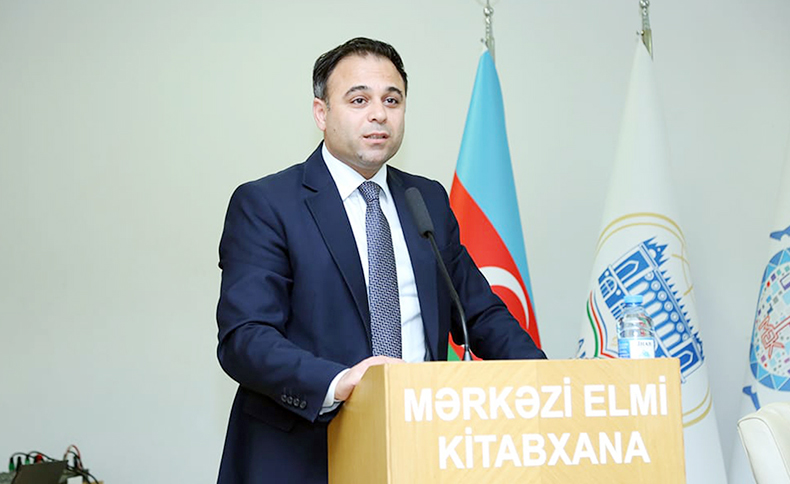
Director of the Institute of Folklore Hikmat Guliyev: “Turkological Folklore Studies Require the Transition from Emotional Discourse to Scientific Conceptualization”
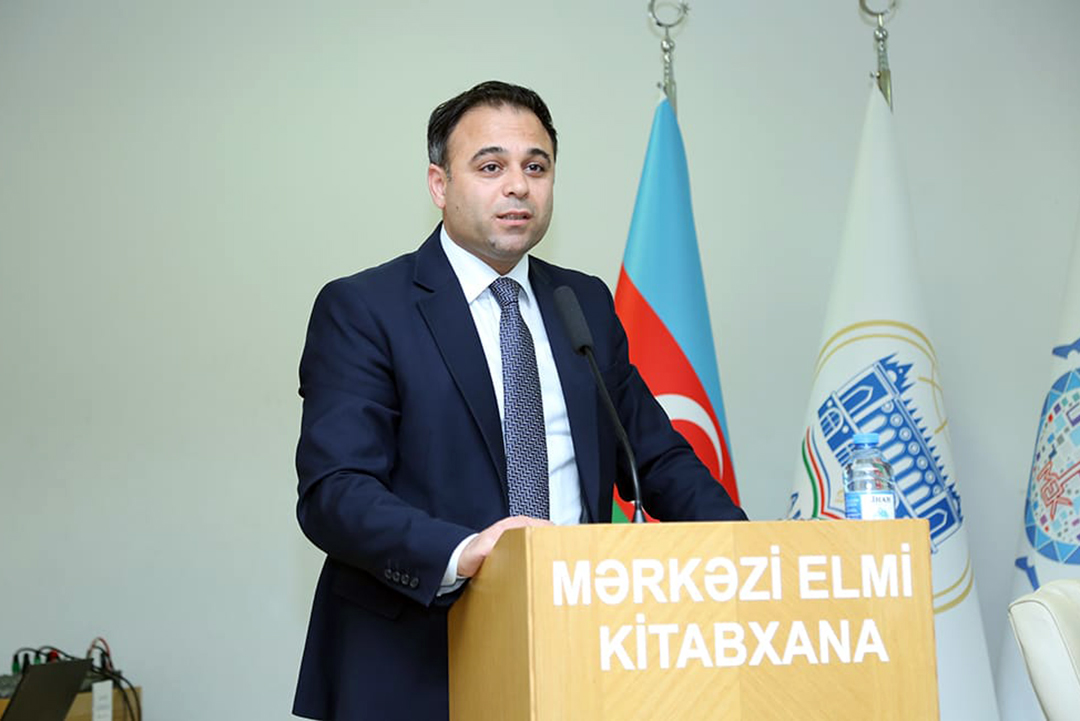
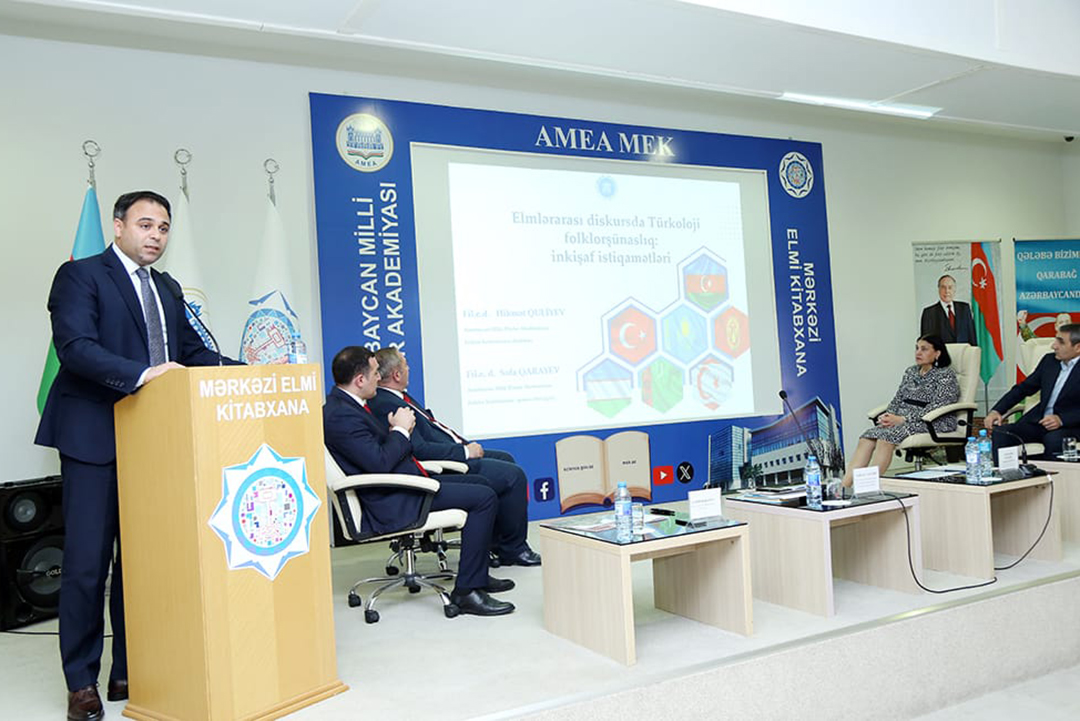
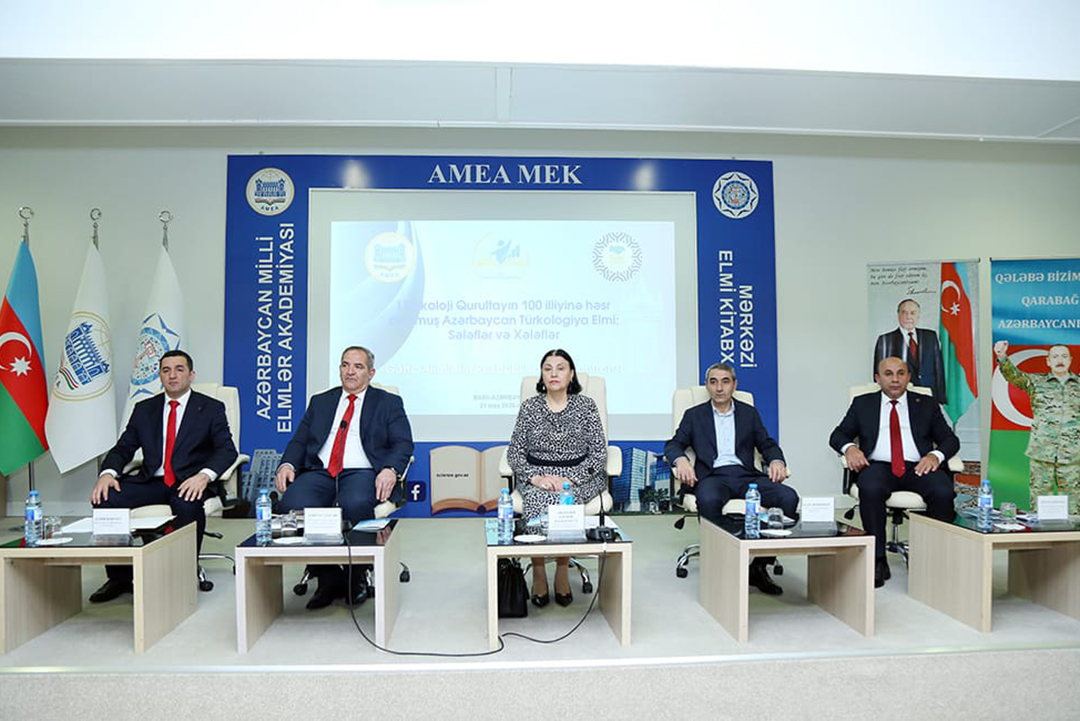
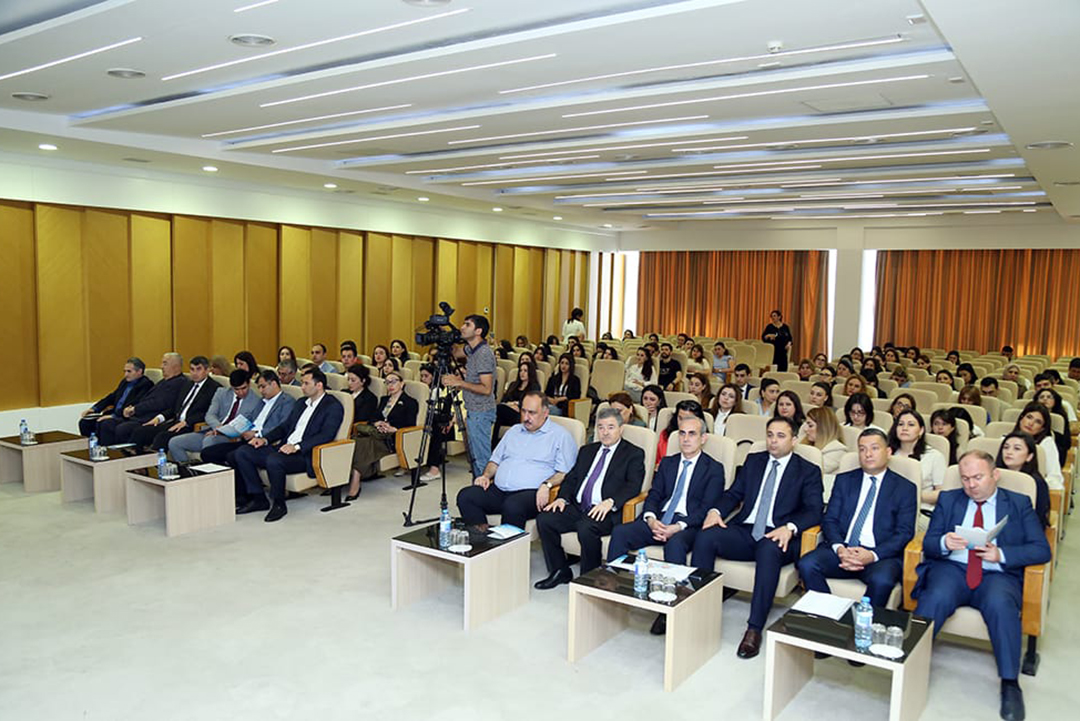
These words were said by Doctor of Sciences in Philology Hikmat Guliyev, Director of the Institute of Folklore of the Azerbaijan National Academy of Sciences and during the presentation of the report titled “Turkological Folklore Studies in Interdisciplinary Discourse: Development Directions,” co-authored with Doctor of Sciences in Philology Safa Garayev. The report was presented at the plenary session of the Republican Scientific Conference of Young Scholars held under the theme “Azerbaijani Turkological Science: Predecessors and Successors”.
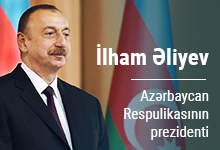
In the presentation it was mentioned that the necessity of reconsidering Turkological thought in the modern era was on the basis of new methodological and epistemological approaches. Hikmat Guliyev noted that the thesis put forward by the President of the Republic of Azerbaijan, Ilham Aliyev “The Turkic world is our family” can be regarded not only as a model of political and cultural integration, but also as a new scientific-paradigmatic approach for the humanities and social sciences.
Hikmat Guliyev also noted that President Ilham Aliyev’s initiative, proposed on the 7th of October at the 12th Summit Meeting of the Heads of State of the Organization of Turkic States in Gabala, to celebrate the 100th anniversary of the First Turkological Congress, as well as the corresponding decree signed on October 22, were of great importance for determining the future directions of development in Turkology.
In his speech, Hikmat Guliyev discussed the historical and epistemological significance of the First Turkological Congress. The scholar noted that the main mission of the Congress was not to transform Turkology into a tool of ideological identity, but rather to establish it as an independent scientific-paradigmatic field grounded in the interrelations among language, history, folklore, literature and collective memory. The report also addressed the limitations imposed by the Soviet ideological system on the methodological independence of Turkology, noting that studies related to national identity and shared cultural memory had long remained under ideological control.
In the presentation, Hikmat Guliyev also outlined the principal theoretical foundations of Turkological folklore studies. The speaker particularly mentioned the importance of terminological precision, methodological transparency and interdisciplinary coordination in Turkology-oriented scientific research.