
NEWS
The transformation of blindfold games in epic tradition was studied at the Department of Ritual Folklore and National Culinary Tradition
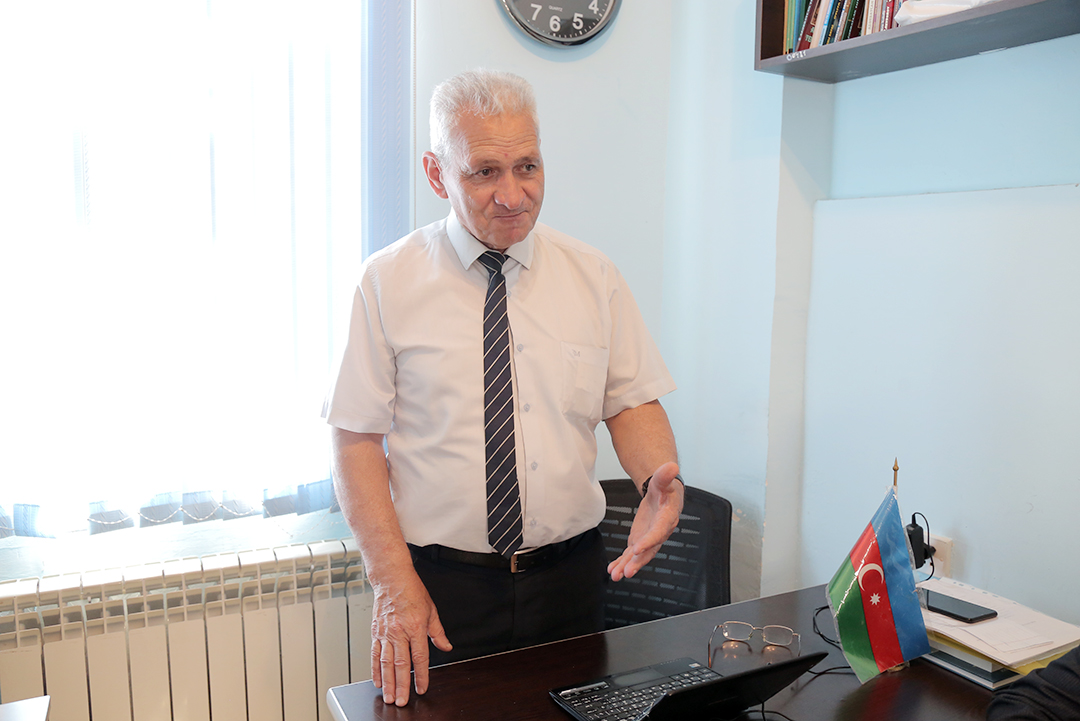
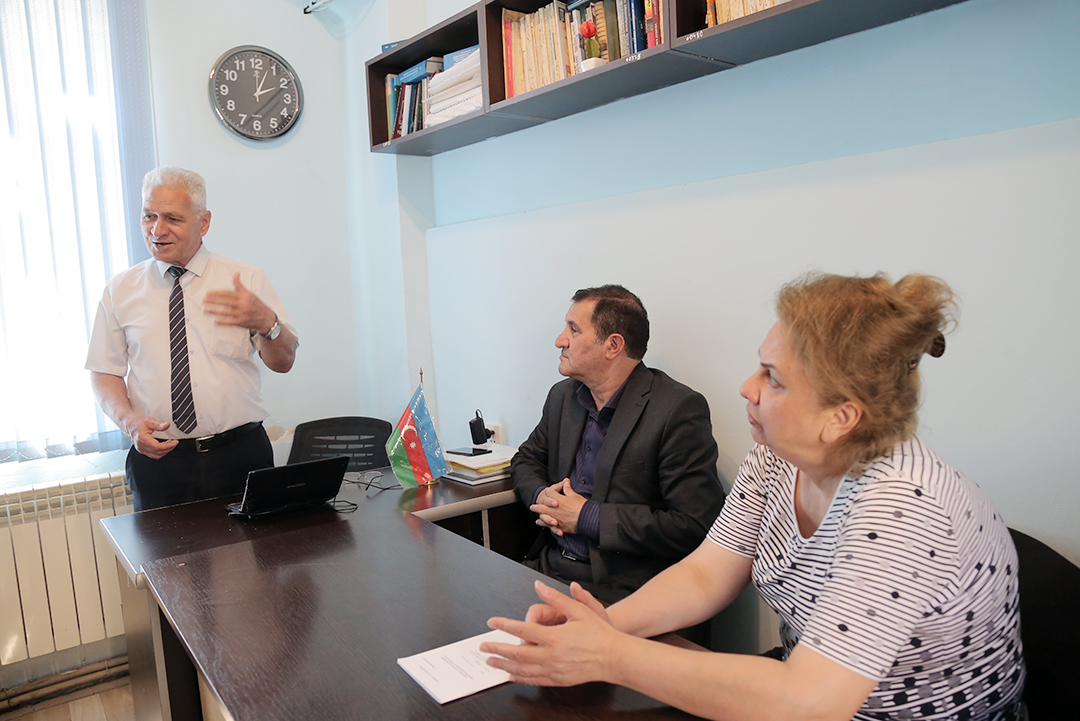
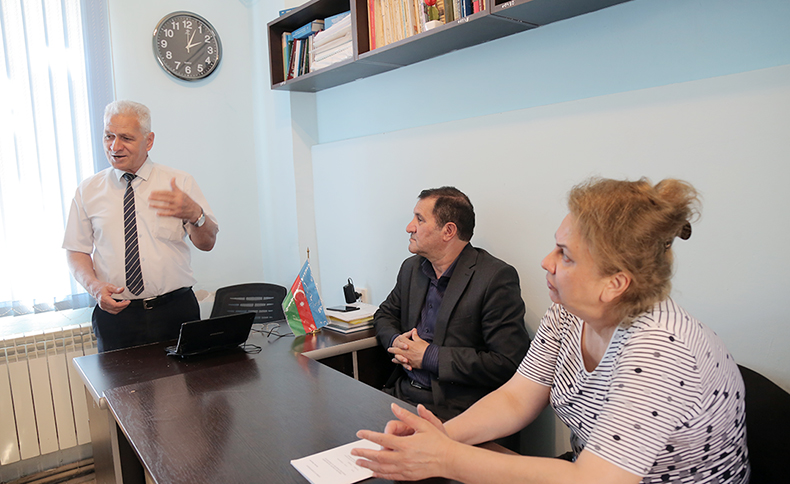
A regular academic seminar was held at the Department of Ritual Folklore and National Culinary Tradition of the Institute of Folklore of ANAS. At the seminar, the head of the department, Doctor of Sciences in Philology, Associate Professor Agaverdi Khalil, made a presentation titled “Transformative Forms of Blindfold Games in the Structure of the Oghuz Epic and the Deciphering of Their Non-Verbal Language”.
In the presented report verbal and non-verbal folklore samples together and analyzed the topic in three main directions were studied. First, the general characteristics, distinctive features and common aspects of blindfold games among Turkic peoples were clarified. Then, the forms of transformation of blindfold games into the structure of the Oghuz epic were interpreted, examples from the epic demonstrating these transformations were presented and their typological characteristics within both game and epic structures were studied. At the same time, the semantic features of game elements transformed into the structure of the epic and the layers of meaning created by non-verbal language were explained.
In his report, Agaverdi Khalil noted that concealment, which belonged to the group of blindfold games among folk games, appeared in both games and epic tradition in three forms: hiding by changing color, hiding by changing appearance, and hiding by changing clothing.
At the end of his speech, the scholar mentioned that blindfold games of Turkic peoples were an important component of rich cultural heritage. Along with positively influencing the physical and psychological development of children and young people, these games serve to preserve national and moral values and contribute to the development of collective behavior, attention, agility, and communication skills. It was noted that the study and promotion of traditional folk games were of great importance in strengthening future generations’ connection to folklore heritage and national identity.
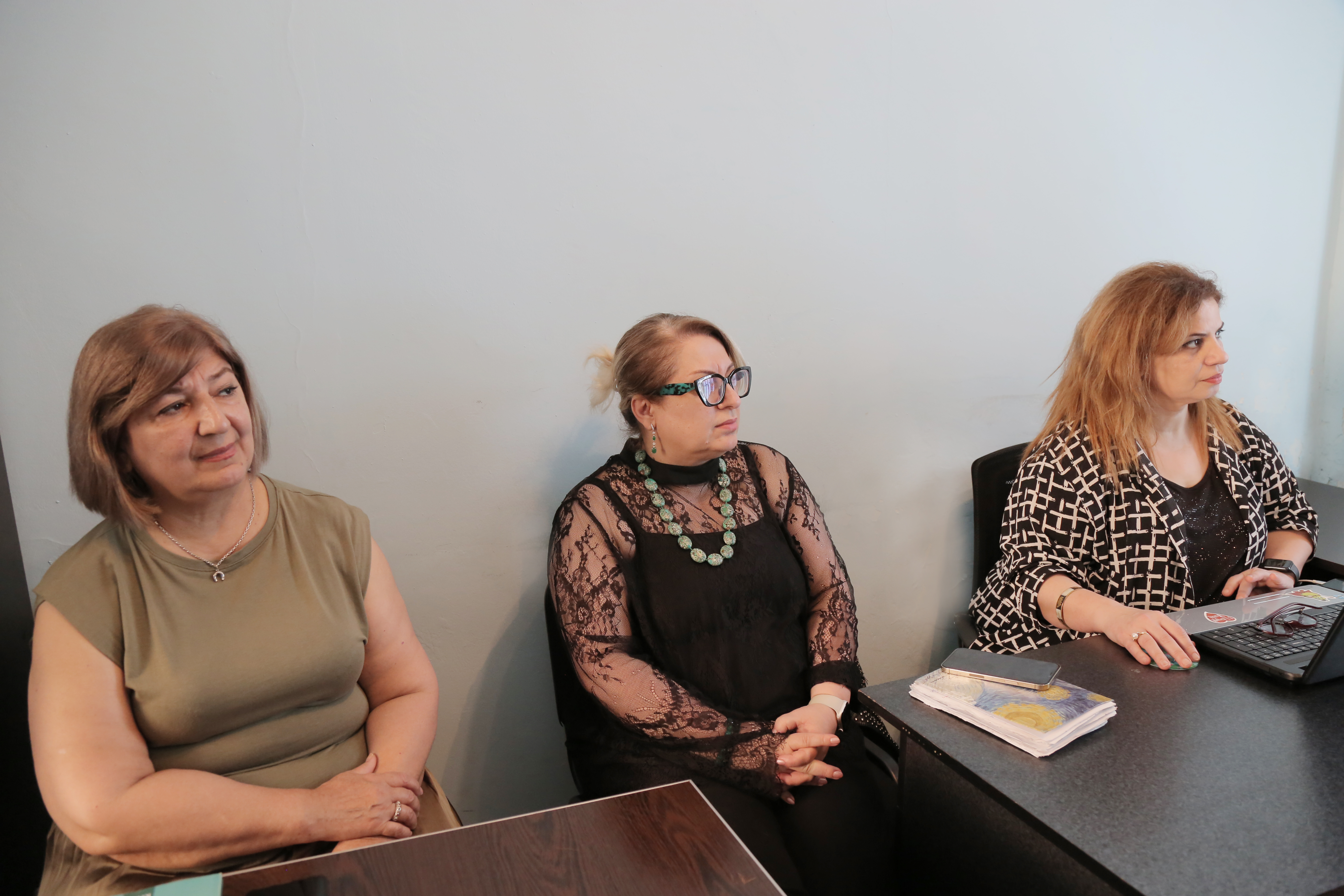
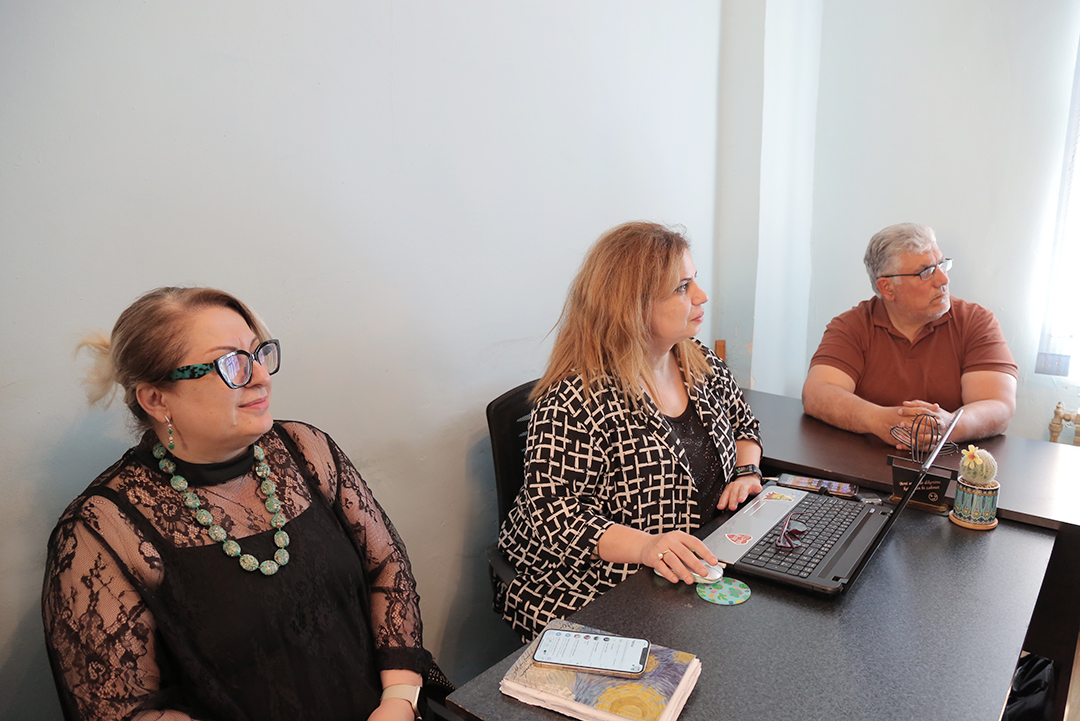
The academic seminar then continued with discussions on the topic.