
NEWS
The problem of national identity in Rustam Behrudi’s poetry was investigated within the framework of folklore and written literature relations
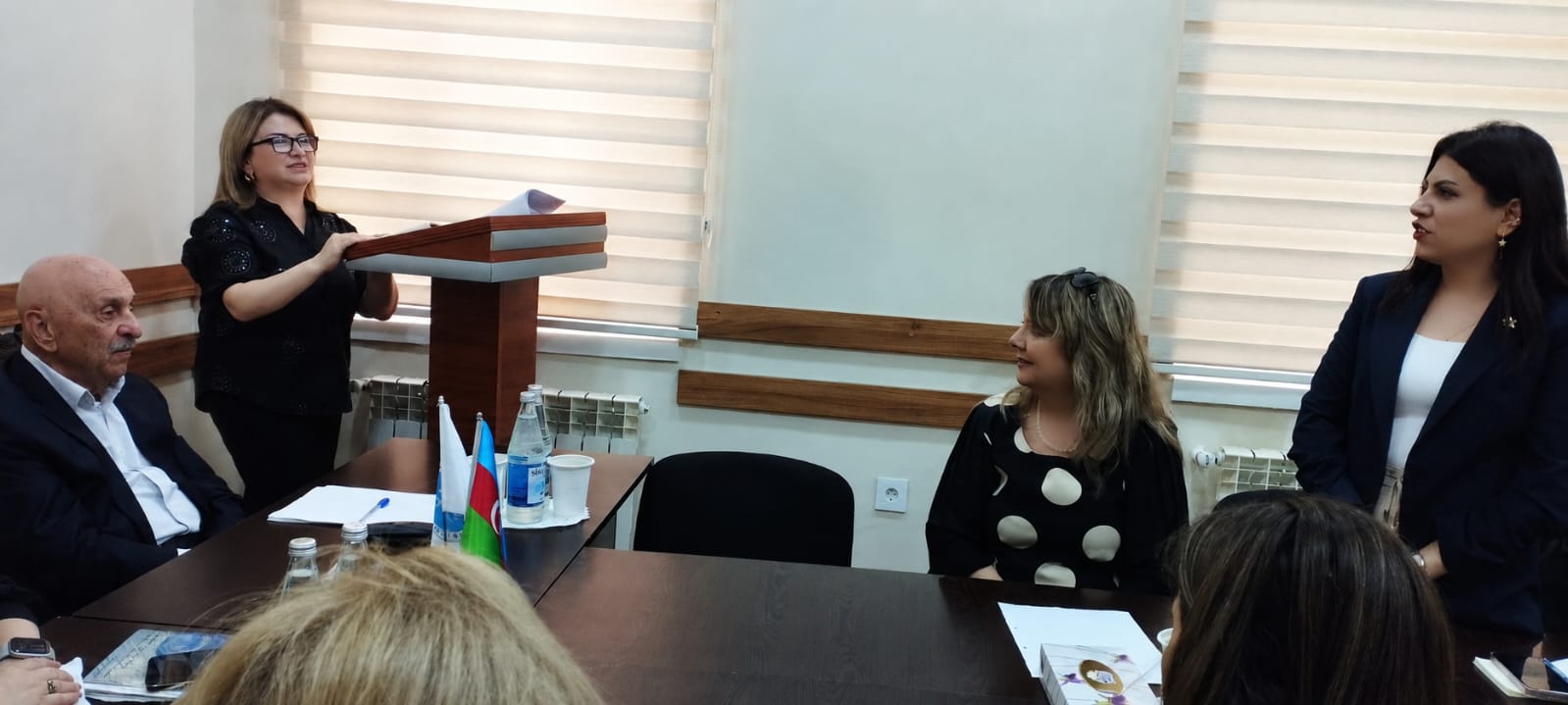
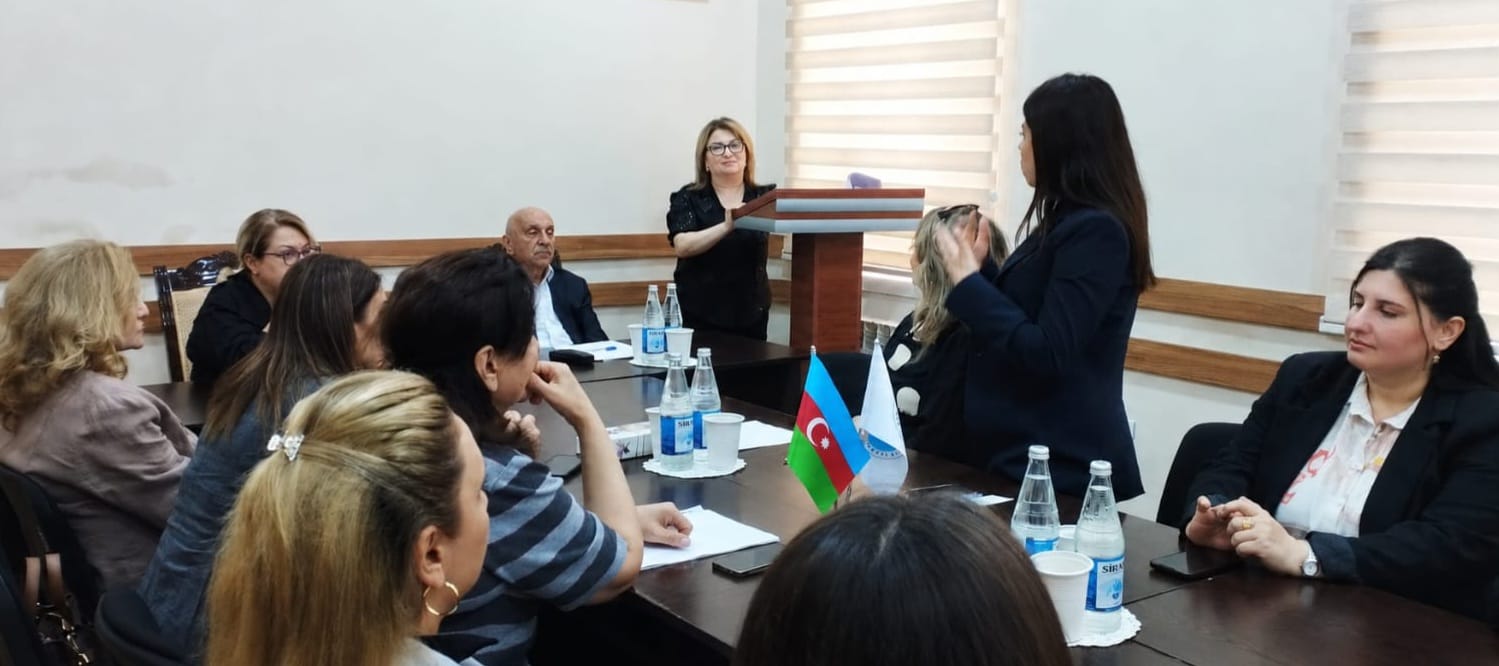
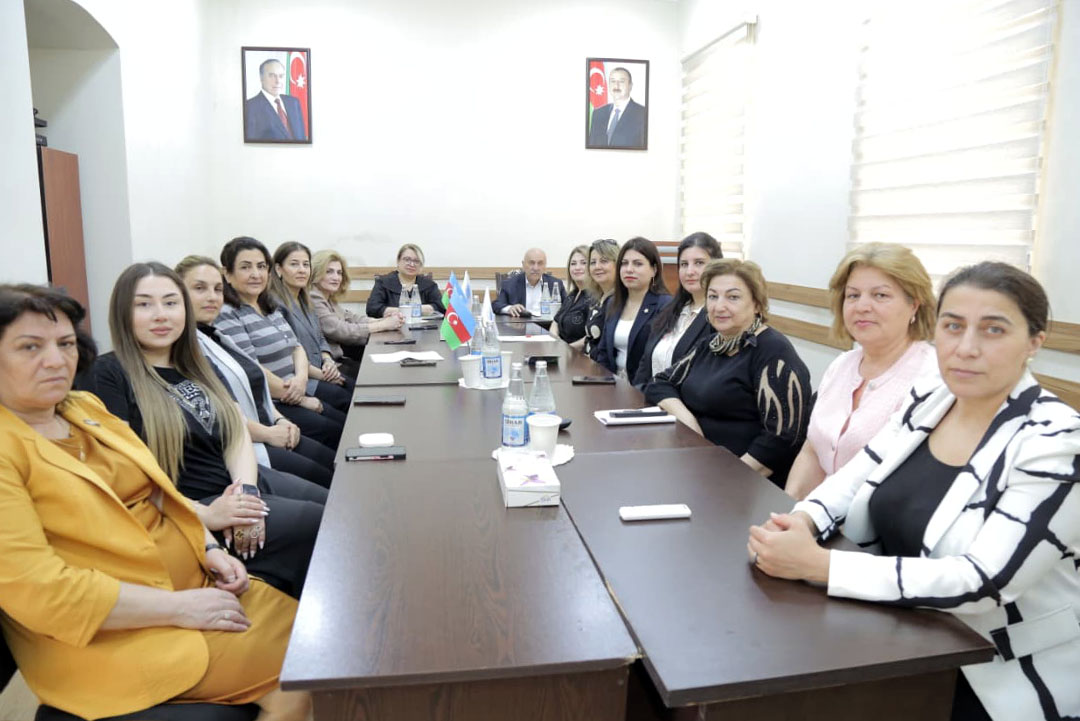
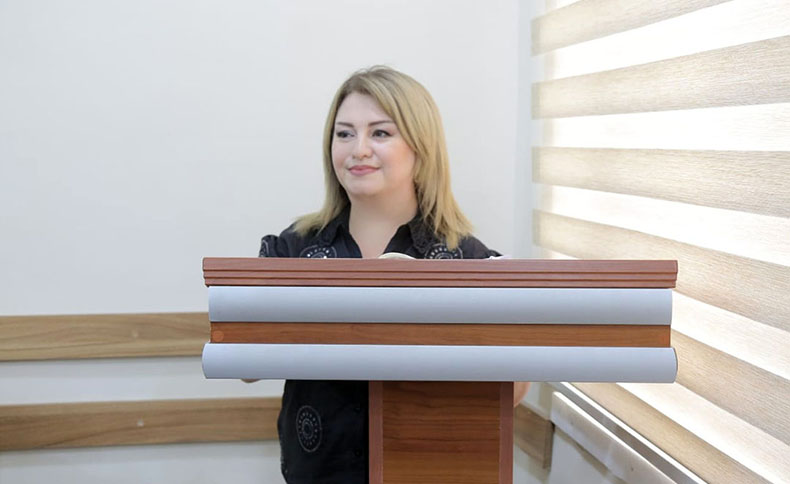
On the 13th of May the next scientific seminar was held at the Department of Folklore and Written Literature of the Institute of Folklore of the Azerbaijan National Academy of Sciences (ANAS). Alongside the institute’s staff, fourth-year students of Sumgayit State University, who were undertaking research internship practice at the Institute of Folklore, also participated in the seminar.
At the scientific seminar the presentation entitled “National Identity in Rustam Behrudi’s Poetry” was delivered by leading Doctor of Philosophy in Philology Khayala Agayeva.
The speaker noted that the revival observed in Azerbaijani poetry at the end of the 20th century and the beginning of the 21st century was connected both with the demands of the modern era and with the transformation in public consciousness following the collapse of the Soviet ideological system. It was mentioned that despite the Bolshevik regime’s attempts to suppress national and spiritual values, the national memory and cultural heritage formed by the people over thousands of years were preserved.
Khayala Agayeva noted that folklore elements in Rustam Behrudi’s works possessed not only an aesthetic function but also serve as one of the principal ideological foundations of the poet’s worldview. According to the presenter, folkloric and mythological images in the poet’s works became a means of expressing national memory, historical experience and national identity.
According to speaker’s thought the concept of national identity in Rustam Behrudi’s poetry was presented not merely as ethnic belonging, but also as devotion to the people’s historical past, language, folklore and spiritual roots.
The scientific seminar continued with discussions, an exchange of views on the topic and answers to participants’ questions.