
NEWS

Folklore in the age of artificial intelligence: the transformation of traditions was discussed
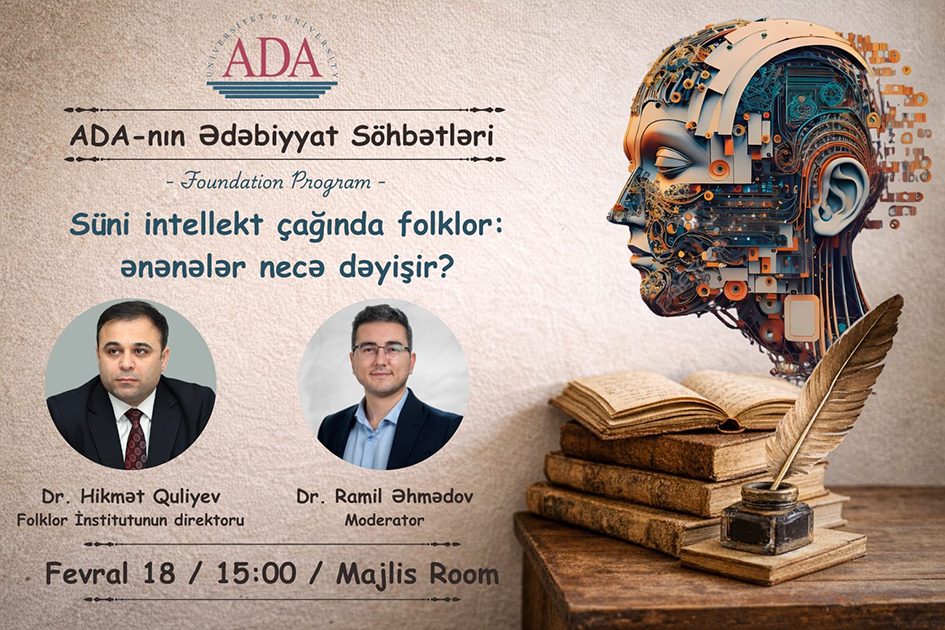
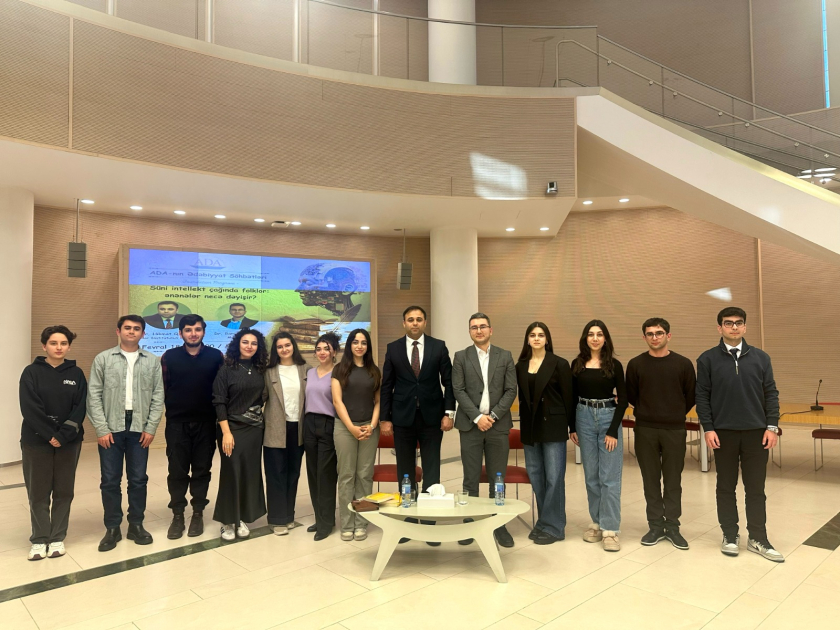
The next meeting of the project “ADA Literature Conversations”, held at ADA University, was dedicated to the topic “Folklore in the Age of Artificial Intelligence: How Are Traditions Changing?”.
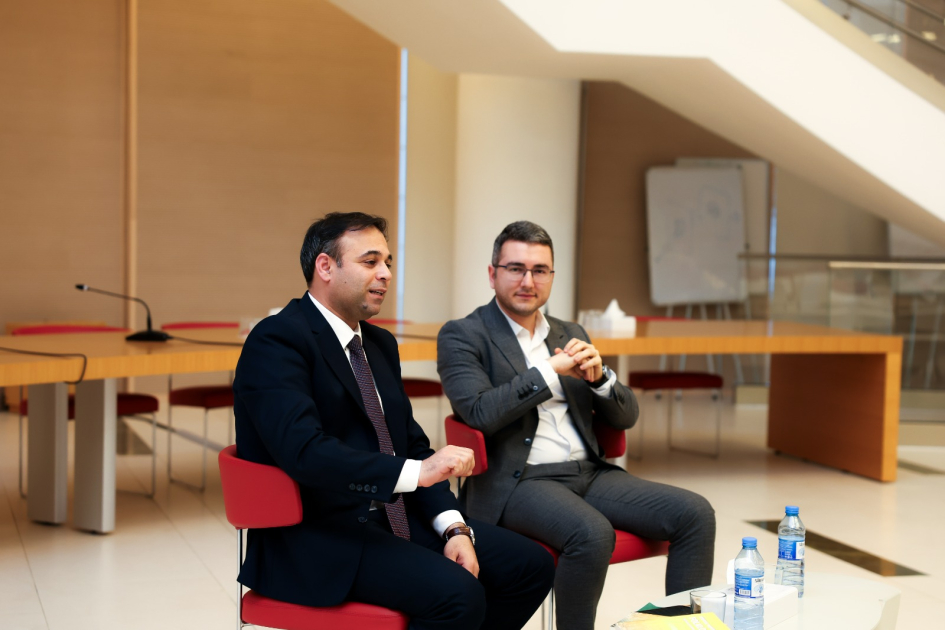
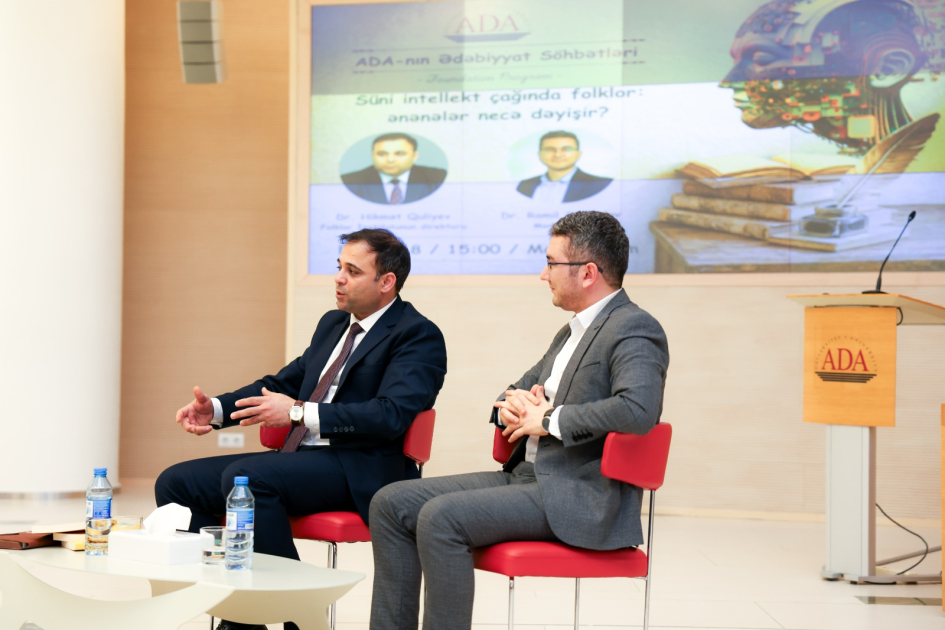
Director of the Institute of Folklore of ANAS, Doctor of Sciences in Philology Hikmat Guliyev delivered a report at the meeting. The moderator of the event was Ramil Ahmed, a lecturer at ADA University.
In his speech Hikmat Guliyev mentioned that understanding folklore only as a cultural heritage of the past was a limited approach from a scientific perspective. He noted that it was methodologically incorrect to limit folklore only to artistic-aesthetic frameworks, noting that it was a living and dynamic social system that expressed the worldview, experience and communication practices of various social groups.
Hikmat Guliyev mentioned that the Internet and social networks were no longer just a means of communication, but also a social space where the collective knowledge of the “cyber people” formed in the virtual environment was produced.
According to the presented conceptual approach, folklore patterns emerging in the digital environment create conditions for the formation of new social identity models and the emergence of the virtual human phenomenon.
During the discussion, moderator Ramil Ahmed touched on the methodological changes taking place in folklore studies and drew attention to the differences between traditional philologically oriented folklore approaches and modern socio-anthropologically based research directions. He noted that in international scientific practice, as well as in recent years in Azerbaijan, folklore was no longer studied solely as a text-oriented phenomenon, but as a cultural mechanism involved in the formation of social relations, collective behavioral models and value systems.
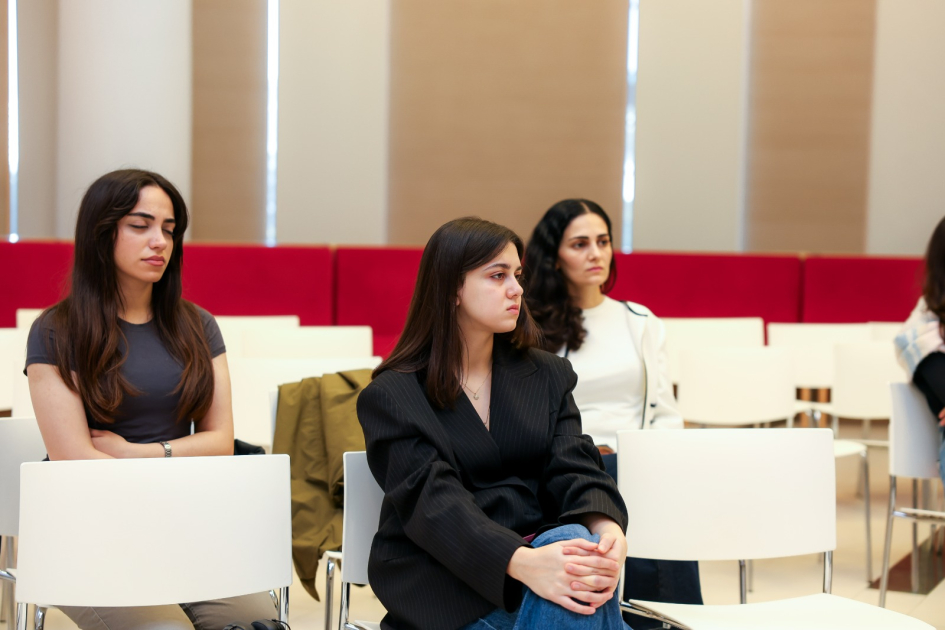
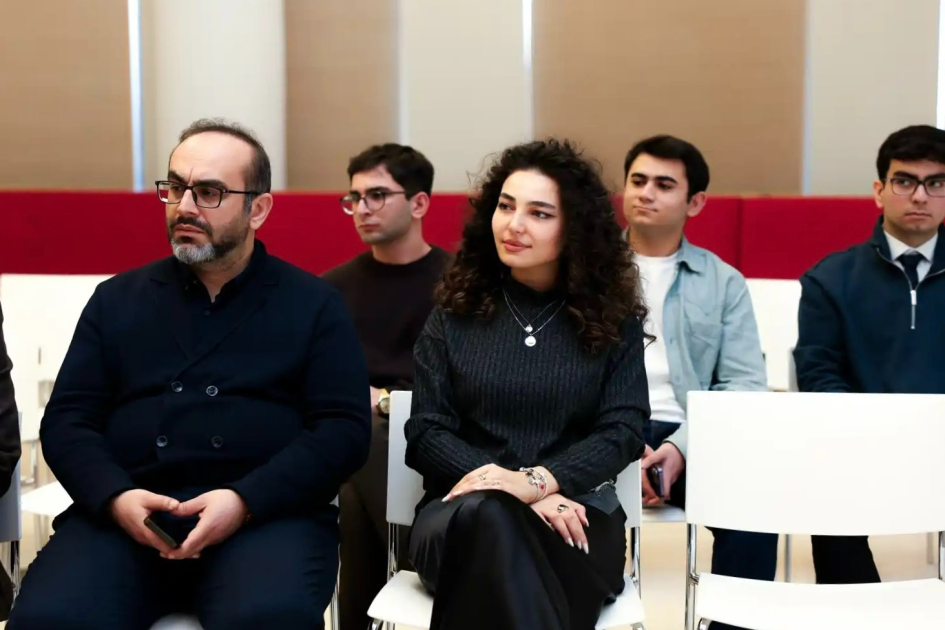
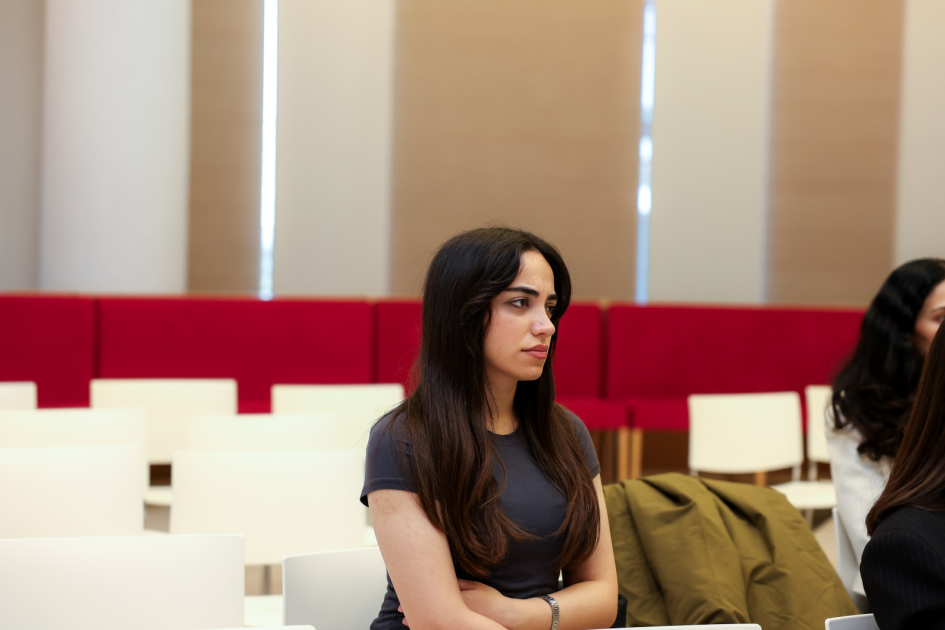
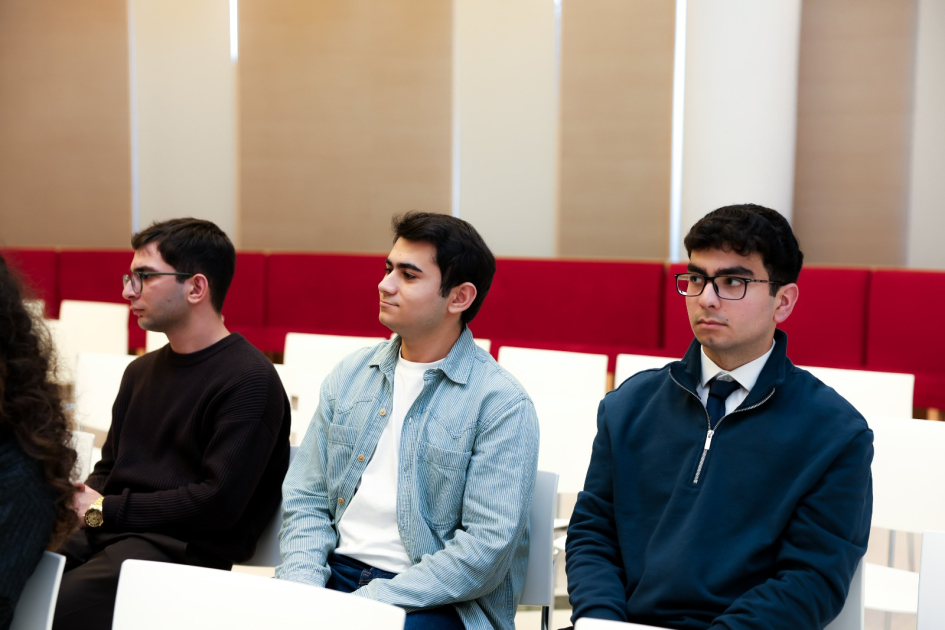
In the discussion part of the meeting the event participants - teachers and students - exchanged views on the digital transformation of folklore, the reinterpretation of the concept of tradition and the future fate of folklore in the era of artificial intelligence.
The event was of great importance in terms of strengthening mutual integration among science and education environments, sharing scientific knowledge with the student and teacher audience on a direct discussion platform and re-evaluating the social functions of folklore against the backdrop of modern technological transformations.